
Dates are naturally sweet, and many people with diabetes wonder if they can safely include them in their diets. The high sugar content makes dates seem risky, but the reality isn’t so black and white.
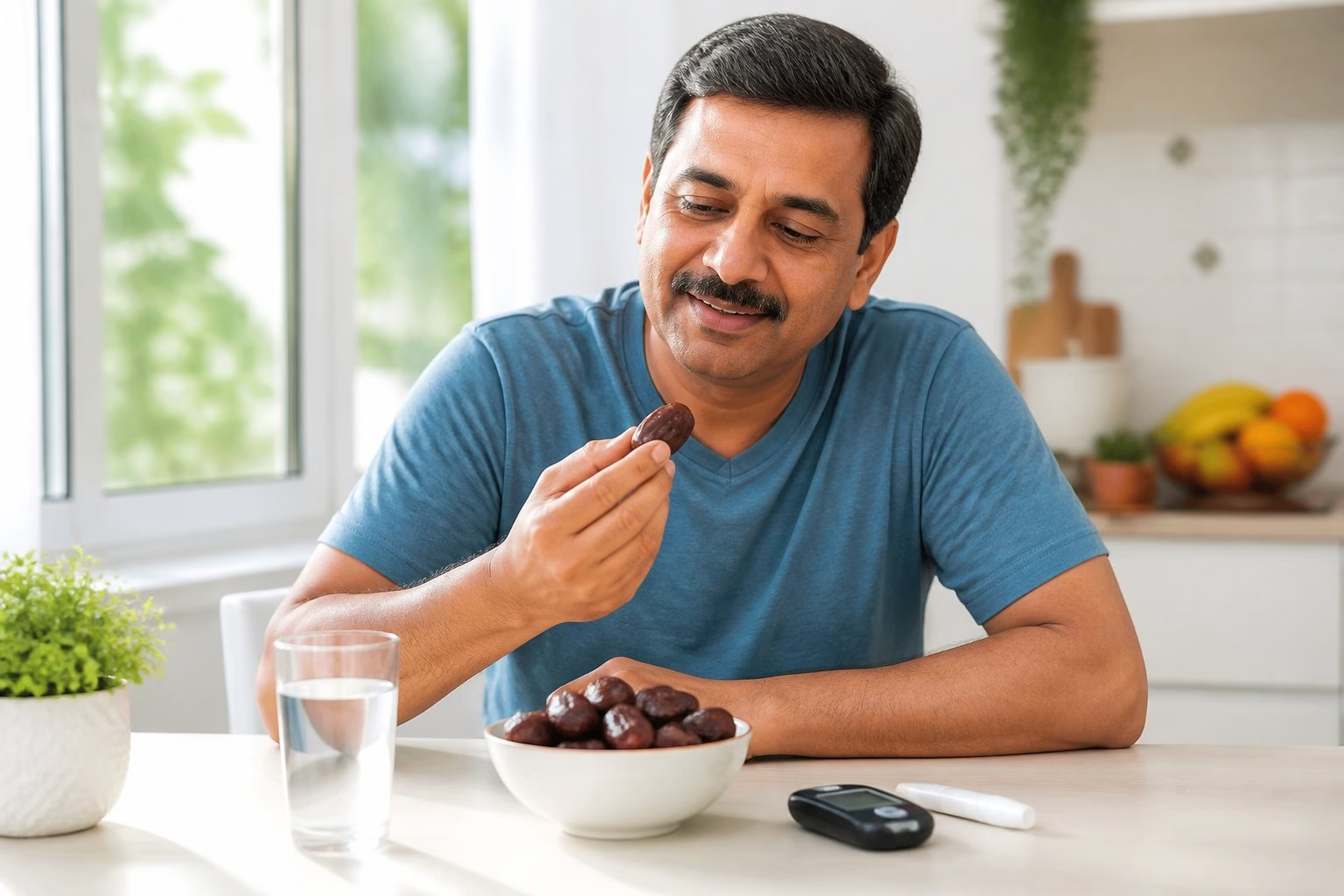
People with diabetes can enjoy dates in moderation—usually 2-3 dates per day—especially if paired with protein or healthy fats to slow down how quickly the body absorbs sugar.
Even though dates taste sweet, they have a low glycemic index, so they don’t spike blood sugar as rapidly as some other sweet foods. One medjool date offers about 18 grams of carbs and almost 2 grams of fiber, which helps slow sugar absorption.
Knowing how to fit dates into a diabetes-friendly meal plan means paying attention to serving sizes, food pairings, and timing. Here’s a closer look at the science, practical tips for safe eating, and answers to common questions about this ancient fruit.
Key Takeaways
- Dates have a low glycemic index and can fit into a diabetic diet at 2-3 dates per day.
- Pairing dates with protein or nuts helps slow down sugar absorption and keeps blood sugar steadier.
- The fiber in dates supports better blood sugar management, especially as part of a balanced diet.
Can Diabetics Eat Dates? Safe Consumption Explained
People with diabetes can eat dates safely if they stick to small portions and pair dates with other foods. Understanding how serving sizes and individual blood sugar responses work is key.
Recommended Portions and Frequency
Most experts suggest one to three dates per day for people with diabetes. Each medjool date has about 18 grams of carbohydrates and 67 calories.
One or two dates daily is a good starting place. This amount offers nutrition without pushing blood sugar too high.
The ideal serving size is about one and a half medjool dates—roughly 36 grams and 27 grams of carbs.
Best practices for eating dates:
- Begin with one date and check your blood sugar response.
- Spread out dates during the day, rather than eating several at once.
- Pair dates with protein, like nuts or Greek yogurt.
- Keep track of your carbohydrate intake to stay within daily goals.
Factors Affecting Tolerance
How well someone handles dates depends on their personal health. Blood sugar control is a big factor.
Key factors include:
- Current blood sugar management and A1C
- Type and dose of diabetes medication
- Physical activity level
- Overall diet quality
- Time of day dates are eaten
People with stable blood sugar usually tolerate dates better. Pairing dates with fiber-rich foods or protein slows down how fast the body absorbs sugar, which helps prevent sharp blood sugar rises.
Being more physically active can also help the body process the natural sugars in dates, so some people may manage slightly larger portions.
How Many Dates Can a Diabetic Eat
A typical guideline is two to three dates per day, but the right amount really depends on individual blood sugar responses.
Starting with one date and checking blood sugar two hours later helps someone see the effect. If things stay steady, they can try two dates.
Some people may need to stick with just one date, while others with excellent blood sugar control might do fine with three. The key is fitting dates into the daily carb allowance.
Monitoring is essential. Everyone’s body reacts differently to dates and their natural sugar. Keeping a food and glucose diary can help set a personal limit that works.
Glycemic Index, Blood Sugar Impact, and Nutrition
Dates have a low glycemic index, despite their sweetness, and they provide fiber, vitamins, and minerals. Understanding how dates affect blood sugar helps people with diabetes decide if and how to include them.
GI of Dates and Glycemic Load
Dates score around 37 on the glycemic index, which means they act as a low GI food (anything under 55 qualifies).
One and a half Medjool dates have about 27 grams of carbs. This serving gives a glycemic load (GL) of about 15, which is considered medium.
Glycemic load considers both the GI and how much you eat. Low GL is 1-10, medium is 11-19, and high is 20 or more.
Each Medjool date contains about 18 grams of carbs and 67 calories. So, portion size really matters for blood sugar management.
How Dates Affect Blood Sugar
Research shows dates don’t cause big blood sugar swings in people with type 2 diabetes when eaten in moderation. Their low GI means dates raise blood sugar more slowly than high GI foods.
Each dried date has almost 2 grams of fiber, or about 7% of the daily value. This fiber slows down how quickly the body absorbs the sugars.
Pairing dates with protein—like a handful of nuts—slows digestion even more. This helps keep blood sugar from rising too fast.
People with diabetes need to watch portions, since even a medium glycemic load comes from a small serving.
Nutritional Value and Key Nutrients
Four Medjool dates (100 grams) contain a variety of important minerals:
Minerals per serving:
- Potassium: 696 mg
- Calcium: 64 mg
- Magnesium: 54 mg
- Iron: 0.9 mg
- Zinc: 0.4 mg
Dates also offer antioxidants, which help lower inflammation and oxidative stress. These nutrients support health beyond just blood sugar control.
The fiber in dates supports digestion and helps regulate sugar absorption. Studies suggest dates can improve HDL cholesterol and total cholesterol when eaten regularly.
Dates can fit into a balanced diet with vegetables, fruit, and lean protein. Their natural fructose provides sweetness, but also delivers nutrients that support the immune system and heart health.
Best Ways to Eat Dates for Diabetes Management
People with diabetes can enjoy dates more safely by pairing them with protein or healthy fats, timing when they eat them, and choosing varieties with a lower glycemic impact.
Dates With Nuts and Balanced Pairings
Combining dates with nuts creates a snack that helps keep blood sugar steady. Pairing dates with protein—like almonds, walnuts, or cashews—slows down carb digestion and makes glucose spikes less likely.
A handful of nuts and one or two dates give both protein and healthy fats, helping the body process natural sugars more gradually. Greek yogurt works too, since its protein complements the fiber in dates.
Some tasty date pairings:
- Dates stuffed with almond butter
- Chopped dates mixed into plain Greek yogurt
- Whole dates with a small handful of mixed nuts
- Date pieces with cheese cubes
For people with diabetes, one to three dates per serving is a safe range. Pairing with protein or fat makes this snack friendlier for blood sugar than eating dates alone.
Best Time to Eat Dates
When someone eats dates can affect how their body handles the sugars. Eating dates as part of a balanced meal—not on an empty stomach—helps keep blood sugar steadier.
Dates after a meal with protein, fiber, and healthy fats get absorbed more slowly. Some people with diabetes notice that eating dates earlier in the day works better, since activity during the day helps use up the sugar.
It’s best not to reach for dates as a late-night snack or first thing in the morning before eating anything else. At those times, the body doesn’t have other nutrients to help buffer the sugar.
Choosing Suitable Date Varieties
Not all dates are created equal when it comes to sugar content and how they affect blood sugar. Medjool dates are big and pack about 18 grams of carbs each, while the smaller Deglet Noor dates have less—around 5 to 6 grams per piece.
Date variety comparison:
| Variety | Size | Carbs per Date |
|---|---|---|
| Medjool | Large | ~18 grams |
| Deglet Noor | Small | ~5-6 grams |
Deglet Noor dates make portion control easier because of their smaller size. Someone can eat two or three Deglet Noor dates and still end up with fewer total carbs than eating just one Medjool date.
Fresh dates usually have a bit less sugar than dried ones, but both can fit into a diabetes meal plan if you watch your portions.
Practical Considerations for India and Cultural Habits
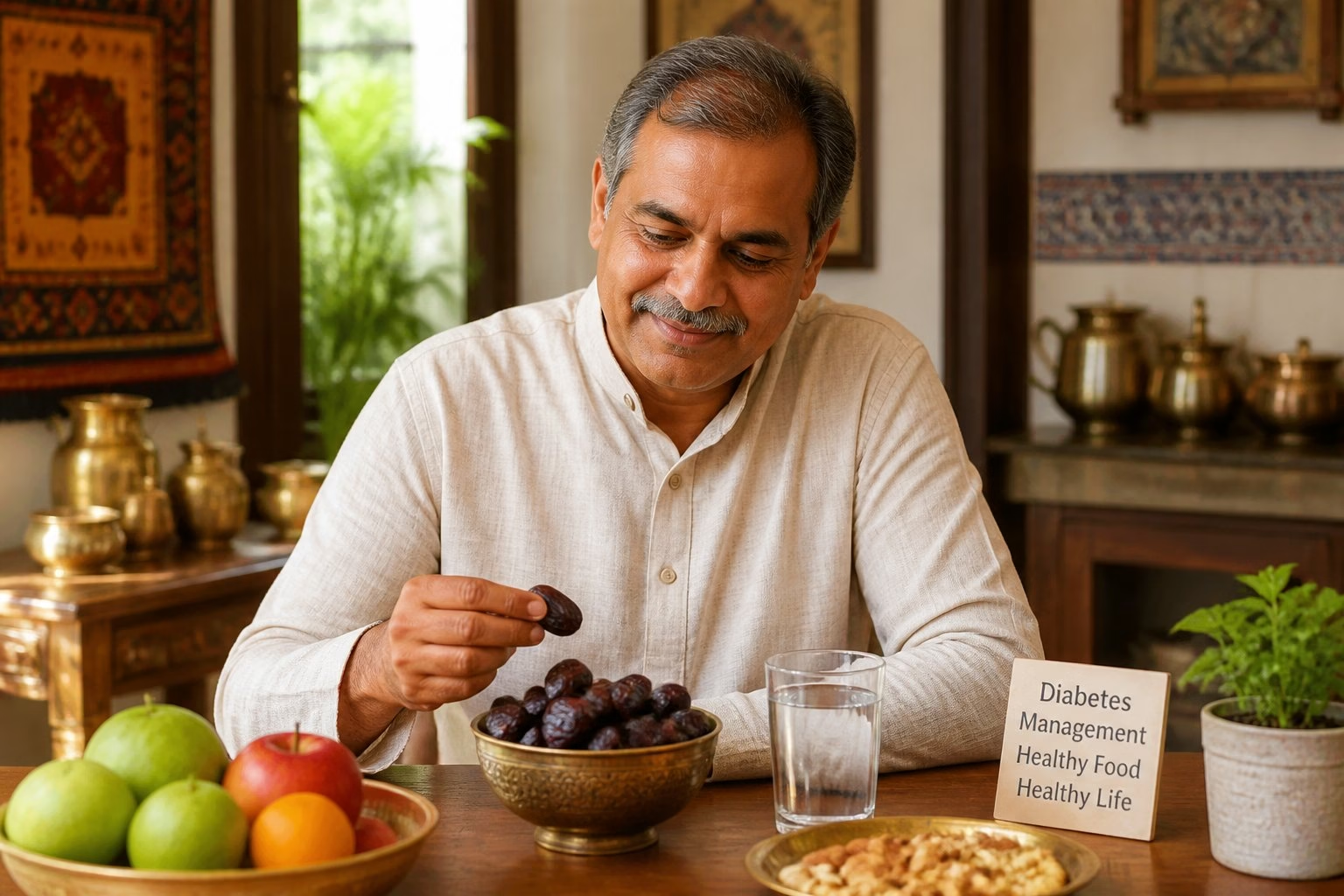
Managing diabetes while enjoying dates in India means understanding how they fit with local eating patterns and traditions. The trick is balancing cultural foods and celebrations with smart portion sizes and meal timing.
Dates in Indian Diet and Festivals
Dates hold a special place in Indian homes, especially during Ramadan when people use them to break fasts. Festivals and family gatherings often include dates as a natural sweetener in classic sweets and desserts.
Families use khajoor (dates) in treats like date and nut laddoos, date chutney, or just stuffed with nuts. During religious events, dates are often offered as prasad or served with other dry fruits.
People with diabetes can still join in these traditions by picking the right date variety and stage of ripeness. The Tamer stage—dried and dark—is common in Indian markets and has glycemic properties that work better for blood sugar. Medjool dates, also popular in India, have a moderate glycemic load.
Tips for Portion Control
People with diabetes should stick to 2-3 dates per serving to keep blood sugar in check. This way, they get the nutritional perks without too much natural sugar.
The most effective strategies include:
- Eating dates before or after exercise, when blood sugar tends to be lower
- Skipping dates as a standalone snack or between meals
- Avoiding dates if fasting blood sugar is over 125 mg/dL
- Picking unpacked, natural dates instead of processed ones
Dates soaked in sugar syrup have less fiber and more added sugar, so they don’t work well for blood sugar management. Natural dates offer 7 to 15 grams of fiber per 100 grams before any processing happens.
Integrating Dates Into Diabetic Meal Plans
Combining dates with protein and healthy fats slows down sugar absorption. Pairing dates with almonds, walnuts, or a small handful of nuts creates a snack that helps prevent glucose spikes.
Some practical ways to use dates include:
- Blending 1-2 dates with unsweetened yogurt and nuts for breakfast
- Adding chopped dates to oatmeal with seeds and a bit of ghee
- Making energy balls from dates, nuts, and coconut, skipping extra sweeteners
Managing diabetes with traditional Indian foods means adjusting the calories from dates against other carbs in the meal plan. Since 100 grams of dates have about 311 calories, it’s important to count them in the day’s total carbs.
Frequently Asked Questions
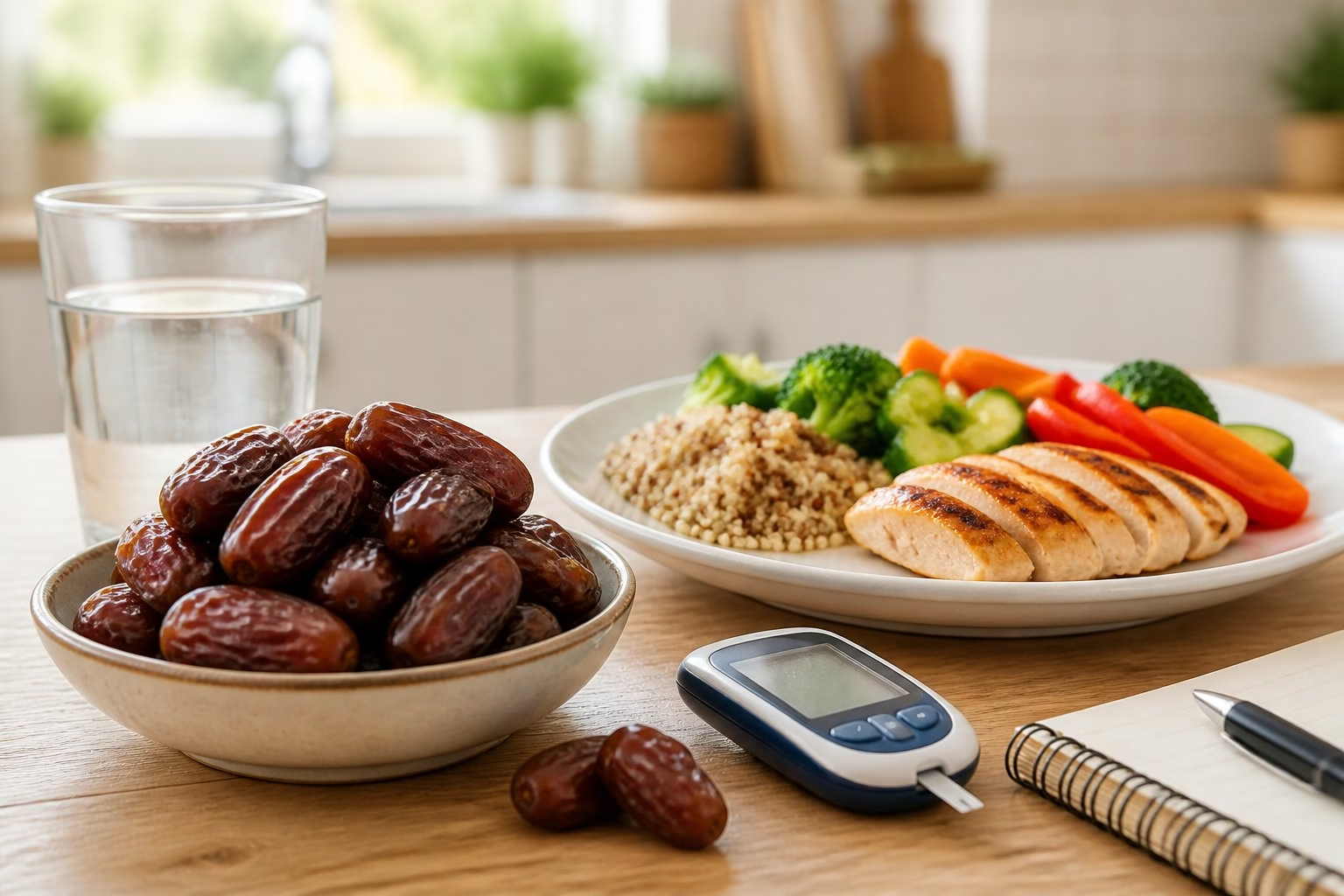
People with diabetes can eat dates in moderation as part of a balanced diet. Usually, 2-3 dates per day works well when paired with protein or healthy fats to slow down sugar absorption.
Are dates safe to include in a diabetic meal plan?
Yes, dates can fit safely into a diabetic meal plan when eaten in moderation. Dates have a low glycemic index despite their sweetness, so they raise blood sugar more slowly than many other sweet foods.
Each medjool date has about 18 grams of carbs and almost 2 grams of fiber. That fiber helps the body absorb carbs at a slower pace, which is especially helpful for blood sugar management.
Research shows dates don’t cause big changes in blood sugar or make diabetes harder to manage for most people with type 2 diabetes. Still, everyone reacts a bit differently, so it’s smart to check your own response.
How many dates can a person with diabetes eat in a day without significantly affecting blood sugar?
Most sources suggest 2-3 dates per day for people with diabetes. This amount lets you enjoy the nutrition while keeping blood sugar steadier.
Some healthcare providers recommend eating 1-2 dates occasionally instead of every day. The right amount really depends on individual blood sugar goals, medications, and total carbs for the day.
A serving of 1.5 medjool dates has about 27 grams of carbs. People with diabetes should count these carbs in their daily meal plan to stay within their targets.
Do different varieties of dates affect blood glucose differently?
Yes, different date varieties can affect blood glucose levels in different ways because of their sugar makeup and ripeness. Medjool dates, which are common in the US, contain a mix of glucose, fructose, and sucrose.
The ripeness of a date also matters. Fresher dates might have a slightly different effect on blood sugar than dried dates because of their water content and sugar concentration.
It’s a good idea for people with diabetes to test their blood sugar after eating different kinds of dates. If blood sugar jumps more than 30-50 mg/dL, that could mean extra sensitivity, so eating fewer dates or choosing another variety may help.
What is the glycemic index and glycemic load of dates, and why do they matter for diabetes management?
The glycemic index (GI) measures how quickly a food raises blood sugar, on a scale from 0 to 100. Dates score around 37, which is considered low (anything under 55 is low-GI).
The glycemic load (GL) looks at both the GI and how much you eat. It’s calculated by multiplying the food’s GI by the carbs in a serving, then dividing by 100.
A serving of 1.5 medjool dates has a glycemic load of about 15. That’s in the medium range—medium GL is 11 to 19, and low is 1 to 10.
Low-GI and low-to-medium GL foods don’t spike blood sugar as much. That makes diabetes management easier and helps avoid those energy crashes after a sugar rush.
What is the best time to eat dates to minimize post-meal blood sugar spikes?
Eating dates as part of a meal, not on an empty stomach, helps keep blood sugar steadier. Breakfast or lunch is a good time—people are usually more active then, so the body uses the glucose for energy.
Eating dates after physical activity also works well. Exercise boosts insulin sensitivity, so the body handles carbs better right after a workout.
It’s best to avoid dates late at night if you have diabetes. Eating them before bed can lead to higher blood sugar overnight, when the body isn’t as active and doesn’t use the sugar as efficiently.
How can dates be paired with other foods to reduce their impact on blood glucose?
Pairing dates with protein sources like a handful of nuts can help slow down how quickly the body digests carbohydrates. This approach lets the body process sugars more gradually and helps avoid those sudden blood sugar spikes that nobody wants.
Adding healthy fats such as almond butter, cheese, or Greek yogurt to dates makes for a more balanced snack. Fats slow down stomach emptying, so glucose enters the bloodstream at a slower, steadier pace.
Mixing dates with fiber-rich foods offers extra support for blood sugar management. Try combining them with vegetables, whole grains, or chia seeds—this blend takes longer to digest and typically results in a gentler rise in blood glucose levels.