
People with diabetes often ask if they can safely eat mutton. The short answer? Mutton can fit into a diabetes-friendly diet if you choose lean cuts and eat it just once or twice a month, as part of a balanced meal plan.
The glycemic index of mutton is 0.00. This means it has almost no carbohydrates and won’t directly spike blood sugar levels.
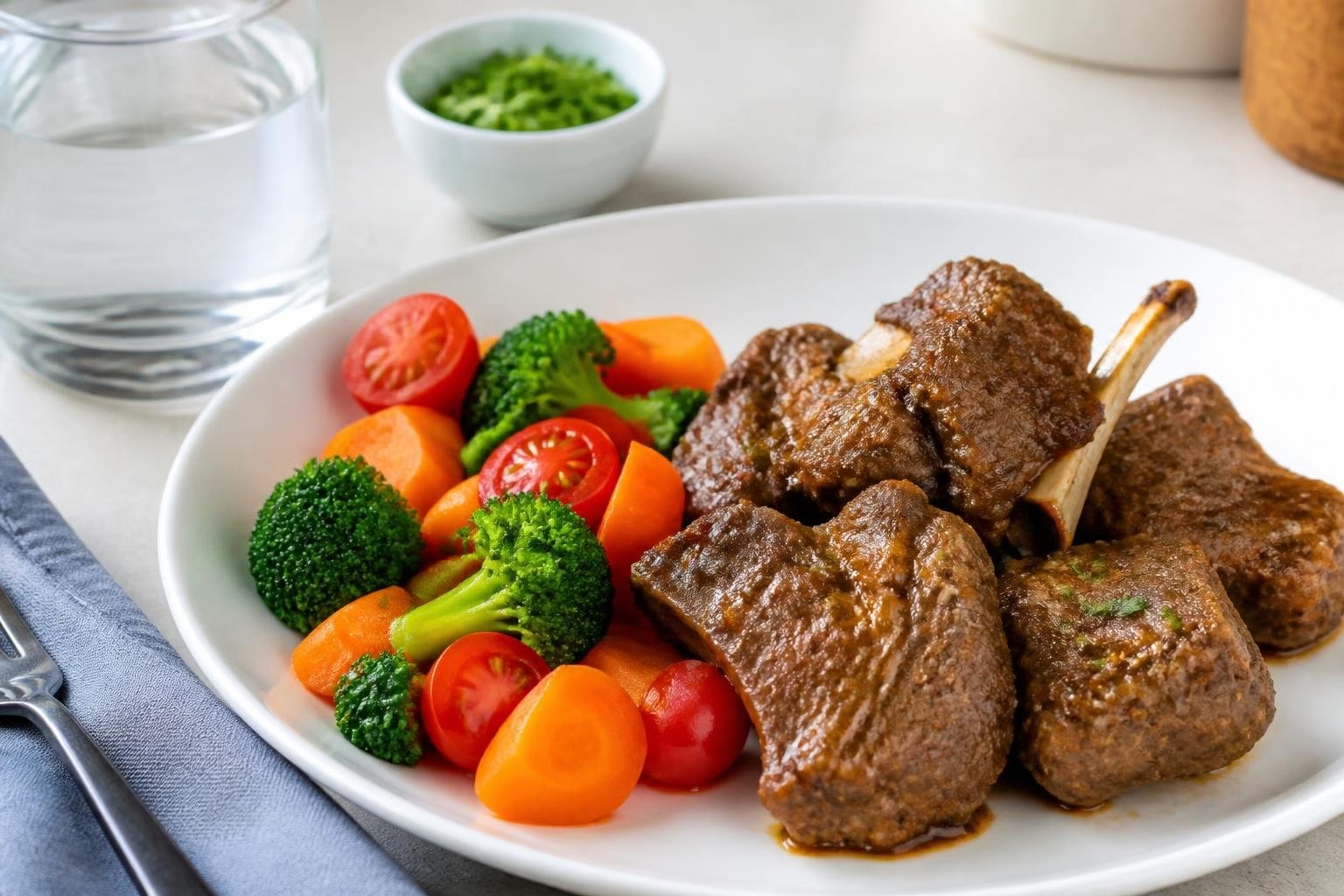
Understanding how mutton affects blood sugar matters for anyone managing diabetes. Mutton brings high-quality protein, iron, and omega-3 fatty acids to the table, but it also comes with saturated fat that you can’t ignore.
Portion control, lean cuts, and healthy cooking methods make all the difference.
Key Takeaways
- Mutton has a glycemic index of zero and provides high-quality protein without raising blood sugar directly.
- People with diabetes should limit mutton to once or twice monthly, choosing lean cuts and healthy cooking methods.
- Talking with a healthcare provider helps determine safe portion sizes based on individual health needs and blood sugar control.
Nutritional Profile of Mutton for Diabetic Patients
Mutton brings specific nutrients to the table that people with diabetes should know about. It contains zero carbohydrates and serves as a complete protein source, packed with vitamins and minerals that support blood sugar management.
Key Macronutrients and Micronutrients
Mutton contains about 20 grams of protein and 18 grams of fat per 100-gram serving. That’s a lot of protein for a small portion, which helps maintain muscle and keeps you feeling full.
The meat is also an excellent source of iron. Iron helps move oxygen through the body and keeps red blood cells healthy. Since people with diabetes sometimes face iron deficiency, this is a real plus.
Mutton provides zinc for immune support and wound healing. It also has vitamin B12, which is essential for nerves and red blood cell formation. These B vitamins help with energy, which folks managing diabetes often need more of.
On the fat side, mutton includes some omega-3 fatty acids, which support heart health. Choosing lean cuts and trimming visible fat keeps saturated fat intake lower, so you get more of the good stuff and less of what you don’t want.
Glycemic Index and Carbohydrate Content
Mutton has a glycemic index of 0 because it contains no carbohydrates. Foods with zero carbs don’t raise blood sugar right after eating.
The complete lack of carbohydrates in mutton makes it a solid choice for low-carb diabetes management. This helps keep blood sugar spikes at bay.
High protein and moderate fat content help steady blood glucose levels. Protein slows down how quickly the body digests and absorbs carbs you might eat alongside the meat.
Comparison of Mutton to Other Protein Sources
Mutton stacks up well against chicken and beef, offering similar protein but with its own nutritional twist. A 100-gram serving of mutton has about the same protein as chicken breast, but more iron and B vitamins.
Compared to plant-based proteins, mutton gives you all essential amino acids. The iron in mutton absorbs better than plant-based iron.
Key differences among protein sources:
- Mutton: 0g carbs, 20g protein, 18g fat per 100g
- Chicken breast: 0g carbs, 31g protein, 3.6g fat per 100g
- Lean beef: 0g carbs, 26g protein, 15g fat per 100g
- Lentils: 20g carbs, 9g protein, 0.4g fat per 100g
Fish beats mutton when it comes to omega-3s, but mutton wins on zinc and vitamin B12 compared to most fish.
Effect of Mutton on Blood Sugar and Insulin Resistance
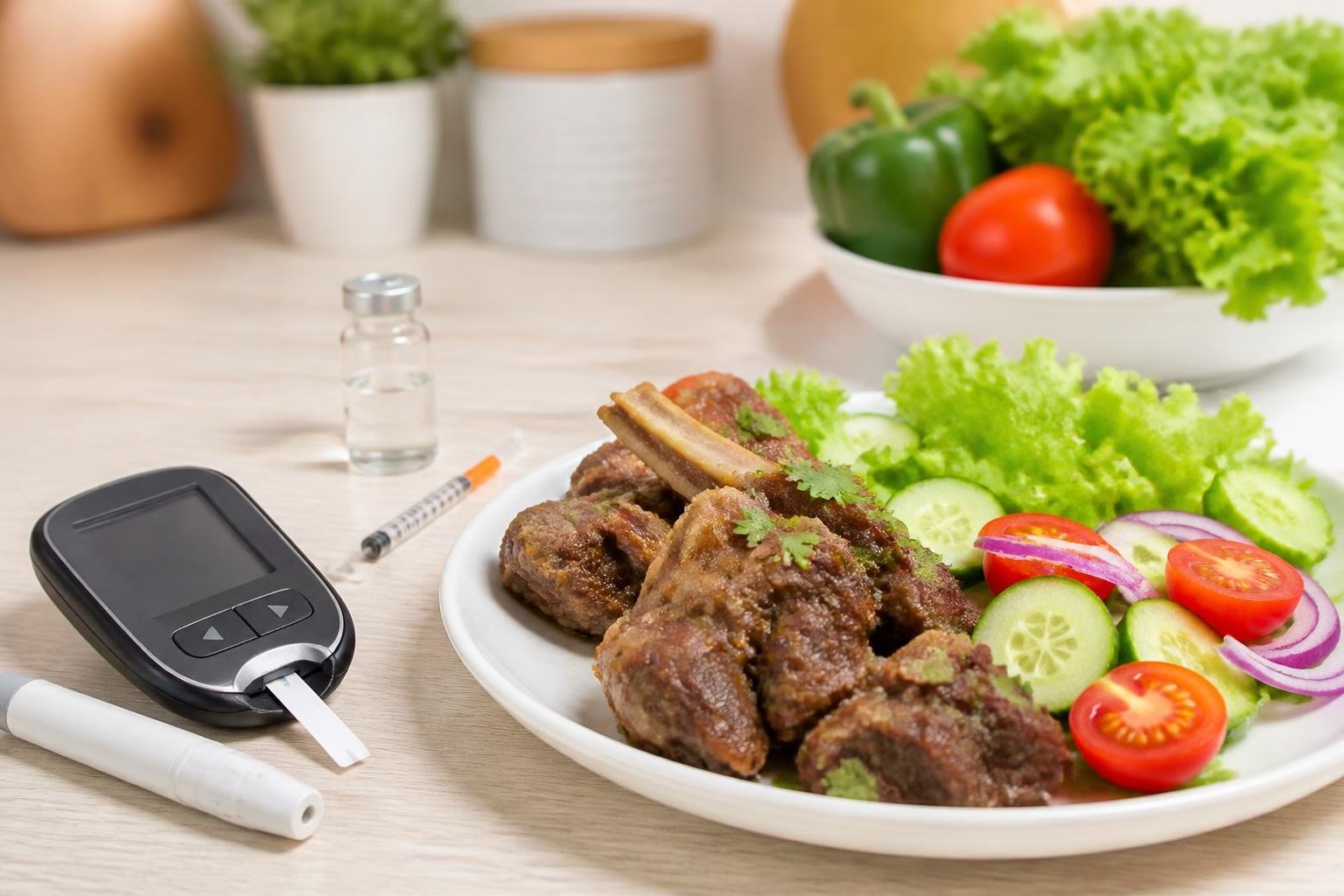
Mutton affects blood sugar differently from foods high in carbs. Since it has zero carbs, it doesn’t cause a direct spike, but its protein and fat still influence how the body handles glucose.
The protein in mutton helps stabilize blood sugar, while certain fats can influence insulin sensitivity over time.
Role of Protein in Blood Sugar Control
Mutton packs around 20-25 grams of protein per 100-gram serving. That protein helps keep blood sugar in check for people with diabetes.
Protein slows digestion, so glucose enters the bloodstream more gradually. Protein is crucial for diabetics because it prevents sudden sugar spikes and keeps you full longer.
The amino acids in mutton don’t turn into blood sugar like carbs do. Instead, they help maintain muscle and provide steady energy. This makes mutton a handy option when paired with non-starchy veggies.
Research shows high-quality protein from meat helps stabilize blood glucose through the day. People who eat enough protein at meals often see fewer blood sugar swings.
Impact of Fats and Insulin Sensitivity
Mutton contains saturated fat, which can increase insulin resistance if you eat too much. Fat content varies by cut, with some pieces having up to 18 grams per 100 grams.
Saturated fat affects how cells react to insulin. Eating a lot of it can make your cells less responsive, so your pancreas has to work harder to move glucose out of the blood.
Lean cuts from the leg or loin have less saturated fat than rib or belly. Trimming visible fat before cooking also helps cut down on saturated fat.
How you cook mutton matters. Grilling or baking is better than deep frying, which adds extra fat and calories that can mess with blood sugar control.
How Portion Size Influences Blood Sugar Levels
Eating mutton in moderation is key for people with diabetes. A palm-sized portion—about 100 grams—gives you enough protein without overloading on fat.
Bigger portions mean more calories and saturated fat at once, which can slow digestion and affect how your body handles carbs from the rest of the meal. Overdoing it can put extra strain on the pancreas.
Pairing a moderate portion of mutton with high-fiber veggies makes for a balanced plate. The fiber slows glucose absorption, supporting better blood sugar control after meals.
Guidelines for Including Mutton in a Diabetes Management Plan
People with diabetes can include mutton in their diet if they pick lean cuts, keep portions small, and pair it with low-glycemic foods. Cooking methods and meal timing also matter for blood sugar control.
Choosing Lean Cuts and Cooking Methods
Mutton for diabetic patients works best if you choose cuts with less visible fat. Leg, loin, and shoulder are leaner options than rib or breast.
Trimming any visible fat before cooking helps lower the overall fat content. This step can also help prevent cholesterol spikes, which is important for people with diabetes.
Go for healthy cooking methods like grilling, baking, roasting, or steaming. These let fat drip off the meat as it cooks, keeping things lighter.
Skip methods that need extra oil or butter. Pan-frying and deep-frying add unnecessary fat and calories. Marinating with herbs, spices, and lemon juice boosts flavor without hurting blood sugar control.
Recommended Portions and Meal Timing
Stick to a serving size of 3 to 4 ounces of cooked mutton, about the size of a deck of cards or your palm. That’s enough protein without too many calories.
Managing diabetes means keeping red meat like mutton to 1-2 times per week. Eating it more often might increase the risk of complications.
Try eating mutton earlier in the day, like at lunch, to give your body more time to process it. That can help with digestion and blood sugar control.
Pair mutton with fiber-rich foods to slow digestion and help prevent blood sugar spikes.
Balancing Mutton with Other Foods
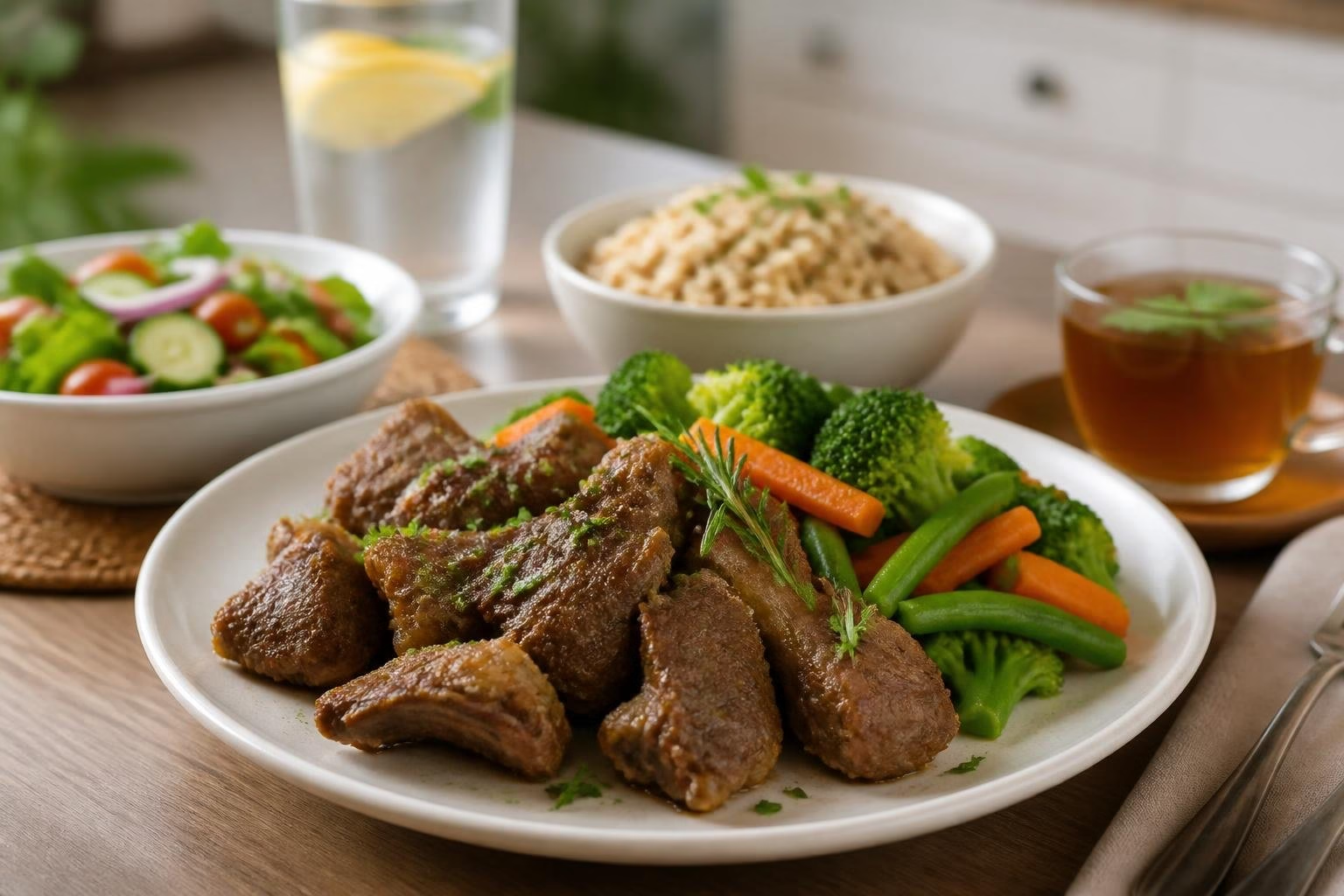
Combine mutton with non-starchy vegetables for a balanced diabetes-friendly plate. Leafy greens, broccoli, cauliflower, and bell peppers add fiber and nutrients without raising blood sugar.
A healthy diabetes plate looks like this:
- 50% non-starchy vegetables (spinach, cabbage, tomatoes)
- 25% lean protein (mutton portion)
- 25% complex carbohydrates (brown rice, quinoa, or whole wheat)
Avoid high-carb sides like white rice, potatoes, or bread to keep blood sugar steady. Whole grains in small portions offer better control than refined grains.
Adding healthy fats from olive oil, nuts, or avocado can help you feel full. These fats also slow down how quickly carbs affect your blood sugar.
Risks, Precautions, and Individualized Dietary Advice
Mutton has nutritional benefits, but people with diabetes need to watch for potential risks. Individual health conditions call for personalized advice, not a one-size-fits-all approach.
Potential Risks of Red Meat Consumption for Diabetics
Medical research suggests that diabetic patients should limit red meat consumption, as it may increase diabetes-related complications.
Mutton falls into the red meat category and brings up specific concerns for blood sugar management.
The saturated fat content in mutton poses a major risk. Excess saturated fat intake may increase insulin resistance and raise the risk of heart disease in people with type 2 diabetes.
People with diabetes already face higher cardiovascular risks, so adding more saturated fat just makes things harder.
Portion sizes matter a lot when eating mutton. Large servings pack in more saturated fat and calories, which can make blood sugar control and weight management more challenging.
The way mutton is cooked matters, too. Frying or using rich gravies increases the fat content far beyond what’s in the meat itself.
When Mutton May Not Be Recommended
Certain health conditions call for stricter limits on mutton or even avoiding it altogether. People with heart disease or high cholesterol should limit mutton to 100 grams once weekly.
Diabetic patients with high blood pressure can have 80 to 100 grams of low-fat mutton once or twice weekly, but only after checking with their doctor.
Those with liver or kidney problems face even more restrictions. Since these organs break down protein and fat, extra strain from mutton could make existing problems worse.
Some diabetes medications might require changes in mutton intake. Blood sugar levels fluctuate depending on the whole meal, so careful monitoring becomes important when adding mutton to the diet.
Consulting Healthcare Experts
Healthcare providers give advice based on each person’s health, medications, and diabetes management goals. Doctors can check lab results like cholesterol, kidney function, and A1C to find safe mutton intake levels.
Registered dietitians help build meal plans that include mutton while keeping blood sugar steady. They look at activity, weight goals, and other dietary needs.
These professionals can recommend portion sizes and cooking methods that lower health risks. It’s not just about what you eat, but how much and how you prepare it.
Regular health checks matter if mutton is part of the diet. Checking blood sugar before and after meals with mutton shows how the body responds.
Lipid panels help track cholesterol over time, letting people know if they need to make any changes.
Frequently Asked Questions
Red meat raises a lot of questions for people with diabetes. Concerns usually center around blood sugar, portion size, and cooking methods.
Knowing how different meats affect glucose and insulin can really help with making smart choices at mealtimes.
Does eating red meat affect blood sugar levels?
Red meat like mutton won’t directly spike blood sugar since it contains no carbohydrates. Mutton has a glycemic index of 0.00, so it doesn’t cause an immediate glucose rise.
But the high saturated fat in red meat can influence how the body handles insulin over time. Eating red meat with lots of fat may slowly increase insulin resistance, which makes blood sugar management tougher.
The protein in mutton also slows down how fast carbohydrates get absorbed. This can help prevent sudden blood sugar spikes when the meal includes vegetables and whole grains.
How does the fat content of meat influence insulin resistance?
Saturated fat in red meat can hurt insulin sensitivity if eaten in large amounts. Too much saturated fat may make cells less responsive to insulin, so glucose has a harder time getting into cells from the bloodstream.
Mutton contains 2.31 grams of total fat per 100 grams, with 0.71 grams as saturated fat. Picking lean cuts and trimming off visible fat helps lower saturated fat intake while still getting the protein benefits.
The type of fat matters, too. Mutton has some omega-3 fatty acids, which support heart health—a big deal for people with diabetes, who already face higher heart risks.
What portion size of meat is generally appropriate for people managing blood sugar?
Most experts recommend limiting red meat to two or three times a week, not daily.
For people with diabetes, mutton is best eaten just once or twice a month in moderate portions. A good serving is about 3 to 4 ounces of cooked meat.
This amount gives enough protein without piling on calories or saturated fat that could interfere with blood sugar control. Pairing mutton with fiber-rich vegetables and whole grains makes portion control easier and helps keep glucose stable.
Are there healthier cooking methods for meat that support better glucose control?
Grilling, baking, or steaming mutton are healthier than frying. These methods cut down on extra fats that could harm heart health and insulin sensitivity.
Marinating mutton with lemon juice, garlic, and olive oil before cooking brings extra benefits. This step can reduce the formation of harmful compounds called heterocyclic amines, which show up when meat cooks at high heat.
Stewing mutton with vegetables creates a nutrient-rich meal without added oils. It also makes the meat easier to digest and lets the flavors blend in nicely.
Can eating meat impact HbA1c or long-term glucose management?
Eating red meat regularly can affect HbA1c over time, though the impact depends on how much and how often it’s eaten. The saturated fat in red meat may lead to more insulin resistance, which can push up average blood sugar over three months.
Protein from mutton helps keep muscle mass, which plays a key role in glucose metabolism. Muscles use glucose for energy, so keeping muscle tissue healthy supports better long-term blood sugar control.
Eating mutton in moderation as part of a balanced diet lets people with diabetes meet nutritional needs without hurting their HbA1c goals. The trick is balancing red meat with other protein sources and keeping the overall diet healthy.
How does meat compare with fish or poultry for a diabetes-friendly diet?
Fish and poultry usually come out ahead of red meat when it comes to diabetes management. Chicken and fish have less saturated fat than mutton, so they’re generally easier on insulin sensitivity and heart health.
Fish brings omega-3 fatty acids to the table, which help reduce inflammation and support cardiovascular health. For people with diabetes, who already face a higher risk of heart disease, those perks really matter.
Diversifying protein sources with fish, beans, and poultry tends to work better in the long run than sticking with red meat. Mixing up protein sources gives the body a broader range of nutrients and helps keep blood sugar more stable over time.