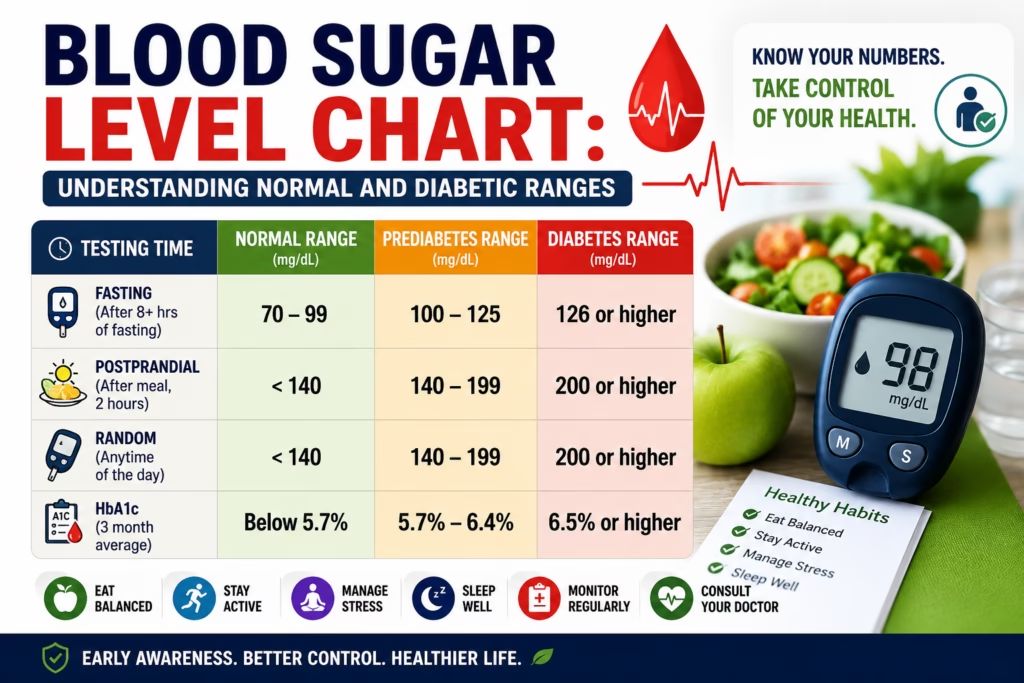

Managing diabetes well means keeping blood sugar within recommended ranges. Blood sugar targets change depending on age, health, and how long someone has had diabetes.
Even for people without diabetes, knowing normal glucose levels can help spot problems early. It’s not just about numbers—it’s about catching shifts before they cause trouble.
Blood sugar monitoring lets people see how well their diabetes plan is working. Regular testing reveals how medications, meals, and activity change glucose readings throughout the day.
Doctors often use blood glucose charts and A1C tests to check diabetes control. Learning about target ranges helps people know when to take action.
Key Takeaways
- Blood sugar targets depend on age, health, and diabetes type.
- Regular monitoring shows how medications, diet, and exercise affect glucose.
- Understanding normal ranges helps people spot high or low blood sugar early.
Test Your Knowledge: Which Foods Help Lower Blood Sugar?
What green leafy vegetables help reduce blood sugar?
Anyone with diabetes needs to watch their blood sugar closely. When glucose drops below 70 mg/dL, the body usually sends out warning signs.
Common symptoms of low blood sugar include:
- Feeling dizzy or lightheaded
- Shaking or trembling
- Sudden hunger
- Mood changes or irritability
- Unusual tiredness
- Problems focusing or thinking clearly
These symptoms matter. If blood sugar stays low for too long, things can get serious. Someone might get confused or have trouble speaking or seeing.
In severe cases, very low glucose can cause seizures or even coma. It’s not something to ignore.
People who notice frequent low blood sugar episodes should reach out to their doctor. The care team may need to tweak insulin doses, try new medications, or adjust timing.
Tracking patterns helps doctors provide better care. Patients should jot down what symptoms show up during lows and how long it takes for glucose to bounce back. This kind of info helps doctors fine-tune treatment plans.
Regular blood sugar checks are vital in diabetes care. When numbers stay in range most of the time, it means the treatment plan is working. Medications, food choices, and lifestyle habits all play a part in better health.
Target ranges can vary from person to person. Doctors look at age, health, and how long someone’s had diabetes when setting goals.
Other health conditions can shift targets, too. It’s rarely one-size-fits-all.
Blood sugar that swings too high brings its own set of problems. People with frequent highs or lows should talk to their healthcare team. Sometimes, the plan just needs a little tweaking to get things back on track.
Sign Up for Our Type 2 Diabetes Updates
Readers can get helpful info twice a week. The newsletter covers smart eating strategies and highlights new medical findings.
Extra resources help people manage diabetes more effectively. Subscribers can even request topics for future emails if they’re curious about something specific.
Common Questions About Blood Glucose
What Are Typical Glucose Ranges When Fasting, Prior to Eating, and Following Meals?
Normal fasting blood sugar range is 70-99 mg/dL for people without diabetes. This test happens after not eating for at least eight hours.
Before a meal, glucose should stay between 70-99 mg/dL for those without diabetes. After eating, levels rise as the body digests food.
Post-meal readings should be below 140 mg/dL two hours after starting a meal. Levels from 140-199 mg/dL could mean prediabetes.
Readings at 200 mg/dL or higher two hours after eating might signal diabetes. These numbers help show how well the body handles glucose.
How Do Target Glucose Levels Differ for Those With and Without Diabetes?
People without diabetes usually keep glucose in a tighter range naturally. Their fasting levels stay between 70-99 mg/dL, no medication needed.
People with diabetes need to check blood sugar often to manage it well. Their targets shift based on treatment and health.
For diabetes, fasting targets usually fall between 80-130 mg/dL. Post-meal goals are typically below 180 mg/dL two hours after eating.
Doctors personalize these targets, considering age, health, and how someone responds to treatment.
Key Differences:
- Non-diabetic fasting: 70-99 mg/dL
- Diabetic fasting: 80-130 mg/dL
- Non-diabetic post-meal: Below 140 mg/dL
- Diabetic post-meal: Below 180 mg/dL
When Should Glucose Be Tested After Eating to Evaluate Post-Meal Response?
The usual timing for checking glucose after meals is two hours from the first bite. This timing catches the peak for most people.
Some doctors recommend testing at 90 minutes or even one hour after eating. Earlier checks might catch bigger spikes in some folks.
What matters most is picking a time and sticking with it. Consistent timing gives clearer patterns for tracking.
Start the timer when you begin eating, not when you finish. That way, you’re measuring when glucose starts to rise during the meal.
What Readings Signal Low or High Blood Sugar That Need Immediate Attention?
Hypoglycemia happens when glucose drops below 70 mg/dL. People might shake, sweat, feel confused, or notice a racing heart.
Severe lows—below 54 mg/dL—need fast treatment. The best move is to eat 15 grams of quick-acting carbs and check again in 15 minutes.
Hyperglycemia starts when levels go over 180 mg/dL after meals or 130 mg/dL when fasting. Anything above 240 mg/dL calls for prompt medical advice.
Very high readings, over 300 mg/dL, can be dangerous. Signs include extreme thirst, peeing a lot, and blurry vision.
| Condition | Reading Range | Action Needed |
|---|---|---|
| Severe Low | Below 54 mg/dL | Immediate treatment |
| Low | 54-69 mg/dL | Consume carbs, monitor |
| Normal | 70-180 mg/dL | No action |
| High | 181-240 mg/dL | Check ketones, hydrate |
| Very High | Above 240 mg/dL | Contact provider |
How Does A1C Percentage Translate to Daily Average Glucose?
The A1C test measures average glucose over about three months. It shows how much glucose sticks to red blood cells.
An A1C of 5% matches an average glucose of about 97 mg/dL. Every 1% jump in A1C means roughly 29 mg/dL higher average glucose.
A1C to Average Glucose Conversion:
- 5% A1C = 97 mg/dL average
- 6% A1C = 126 mg/dL average
- 7% A1C = 154 mg/dL average
- 8% A1C = 183 mg/dL average
- 9% A1C = 212 mg/dL average
- 10% A1C = 240 mg/dL average
People without diabetes usually have A1C below 5.7%. Prediabetes falls between 5.7% and 6.4%.
Doctors diagnose diabetes at 6.5% or higher on two separate tests. Most treatment plans aim for an A1C under 7% in people with diabetes.
What Causes Blood Glucose Numbers to Change During the Day?
Food intake causes the most obvious glucose swings. Carbohydrates tend to raise levels more than proteins or fats do.
Physical activity usually lowers glucose because it boosts insulin sensitivity and helps muscles use up more glucose. The effects of exercise can stick around for several hours, even after finishing up.
Stress hormones—especially cortisol and adrenaline—make the liver release more glucose. Emotional stress and physical stress both play a role here.
Sleep quality matters, too. When someone doesn’t get enough rest or has poor sleep, hormonal shifts can push morning glucose levels higher.
Certain medications, like steroids and some antibiotics, can alter how the body handles glucose. Illness and infections often push glucose up, even if eating habits stay the same.
Common Influences:
- Dawn phenomenon: A natural glucose rise between 4–8 a.m. as hormones kick in
- Dehydration: Less water in the bloodstream can make glucose readings look higher
- Menstrual cycles: Hormonal shifts can change how the body responds to insulin
- Caffeine: For some people, it might bump glucose up temporarily
- Time of day: Circadian rhythms naturally affect how the body processes glucose