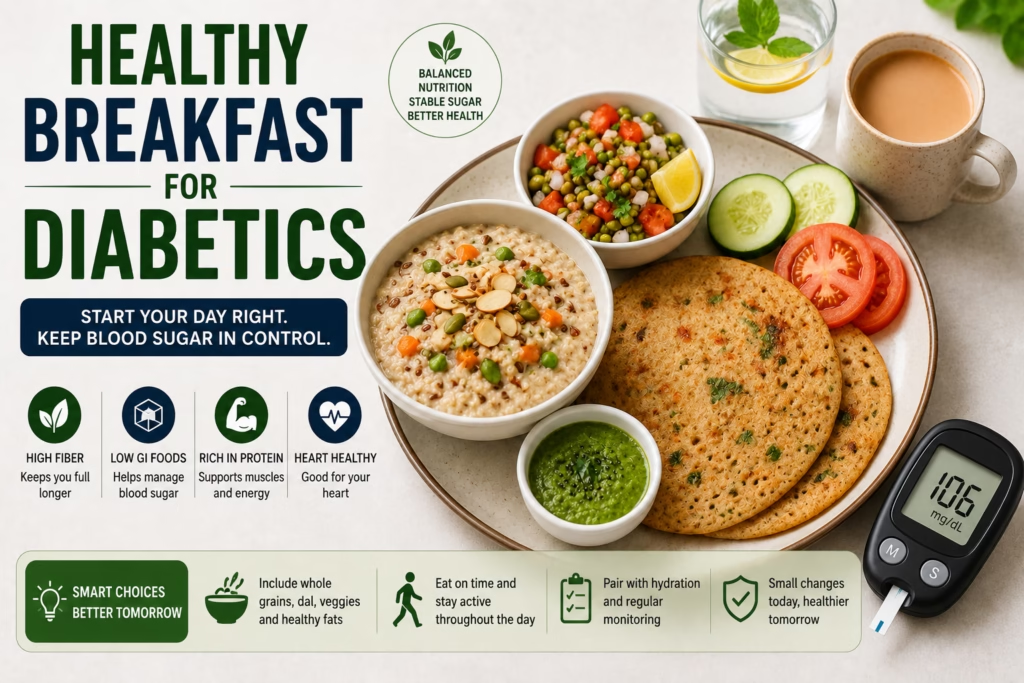

Starting the day with the right meal really matters for people managing diabetes. The wrong breakfast can send blood sugar soaring and leave you feeling off for hours.
Many folks struggle to find breakfast options that taste good and fit their blood sugar goals. It’s not always easy, is it?
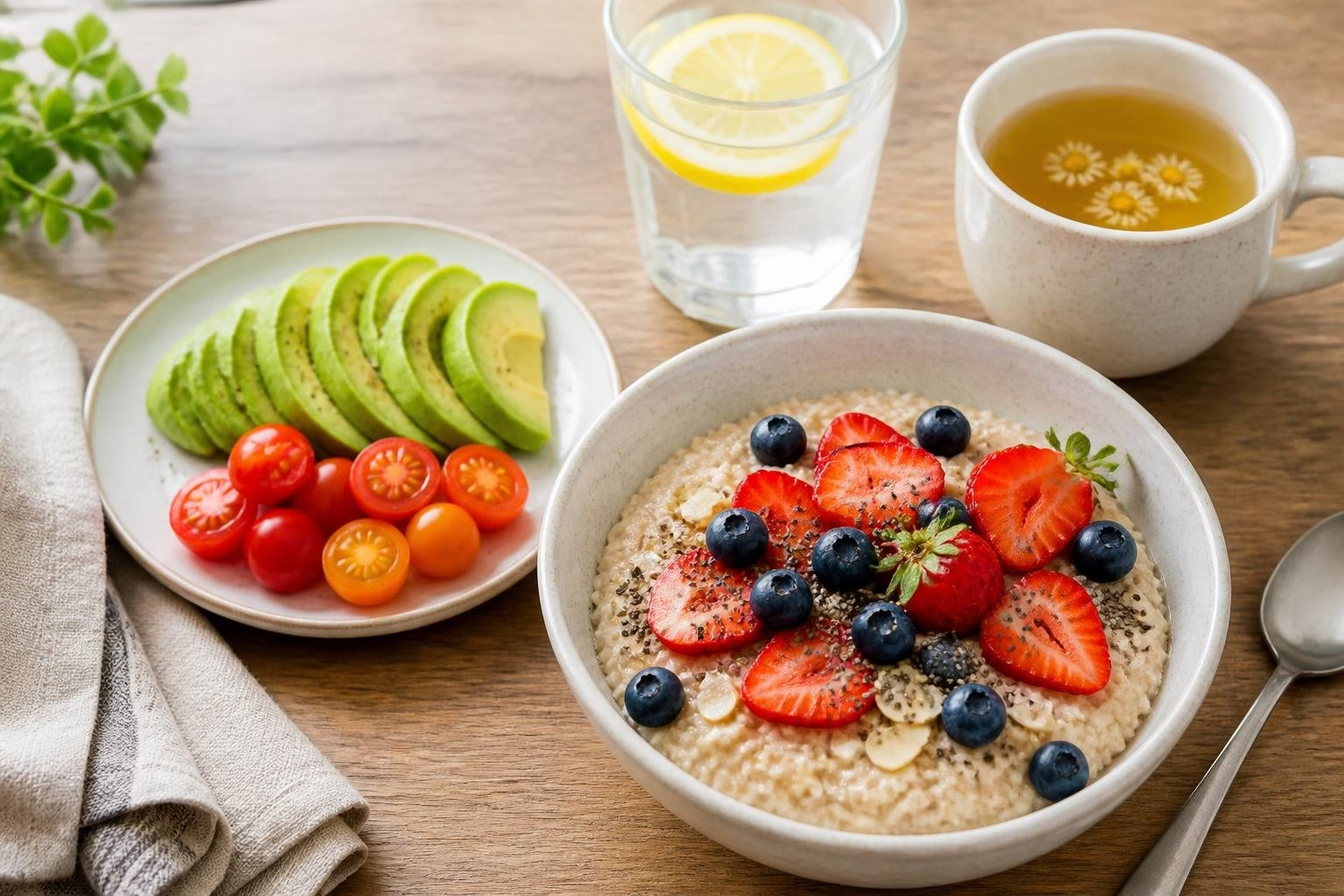
The best diabetes-friendly breakfasts combine protein, fiber, and healthy fats while limiting refined carbohydrates and added sugars.
Eggs provide an affordable source of nutrients and can be safely enjoyed by those with diabetes. Foods like Greek yogurt, oatmeal, and avocado toast offer filling options that help manage blood sugar levels.
Building a balanced morning meal doesn’t require fancy recipes or rare ingredients. Simple combinations of whole foods can provide steady energy and keep blood sugar in check.
The right breakfast routine makes managing diabetes less stressful and still lets people enjoy meals that taste great.
Key Takeaways
- Pick breakfasts high in protein and fiber, and keep carbs moderate to support stable blood sugar
- Eggs, Greek yogurt, oatmeal, and avocado help prevent blood sugar spikes after eating
- Simple planning and prep make it easier to stick with healthy breakfast habits for diabetes
Understanding Breakfast and Blood Sugar Balance
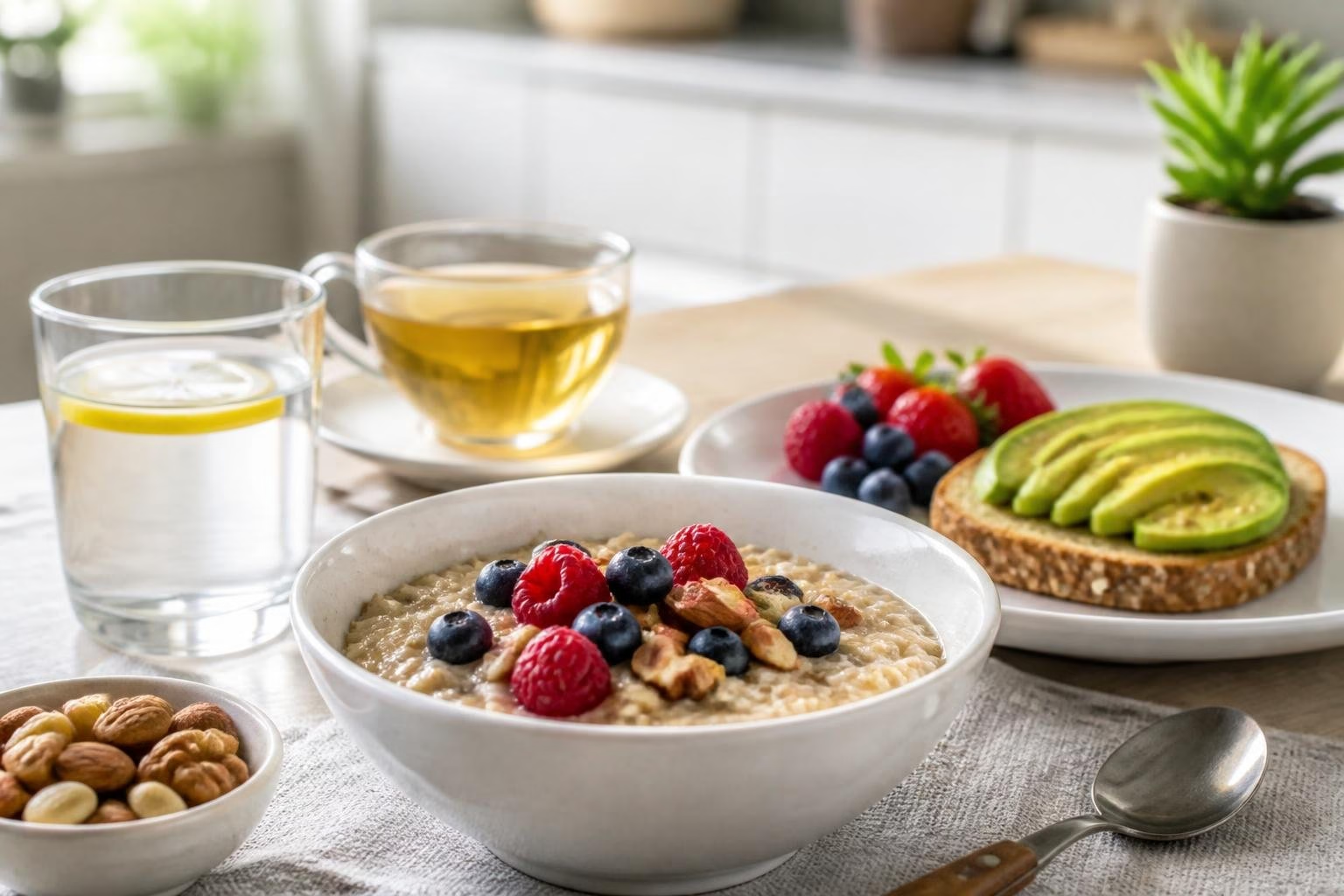
The first meal of the day plays a big role in how blood sugar behaves all morning. The mix of nutrients, the time food is eaten, and the type of carbs all influence whether glucose stays steady or jumps around.
Role of Breakfast in Glucose Regulation
People who eat breakfast regularly usually have better glucose control than those who skip it. Eating in the morning helps stabilize blood sugar after fasting overnight and sets the tone for the rest of the day.
Skipping breakfast can lead to higher A1C levels and a greater risk of type 2 diabetes. When someone with diabetes skips breakfast, the body may have a harder time keeping glucose stable for the rest of the day.
A nourishing breakfast helps regulate blood sugar for hours. The morning meal basically “primes” the body’s insulin response, making it easier to keep blood sugar steady.
The Importance of Glycemic Index
The glycemic index shows how quickly foods raise blood sugar. Low glycemic index foods digest slowly, causing gradual glucose increases instead of sharp spikes.
Low GI breakfast foods like yogurt and seeds give steady energy. Complex carbs in whole grains and vegetables have lower glycemic index values than refined carbs.
Low GI Breakfast Components:
- Steel-cut oats
- Whole grain bread
- Berries
- Greek yogurt
- Nuts and seeds
Complex carbs contain fiber that slows digestion and sugar absorption. This leads to a more gradual glucose release compared to simple sugars.
Balancing Macros: Protein, Fiber, and Healthy Fats
A well-balanced breakfast should include high fiber carbs, protein, and healthy fats. Together, these nutrients slow digestion and help prevent blood sugar spikes.
Protein slows down how fast the stomach empties, so glucose enters the blood more gradually. Eggs, Greek yogurt, and lean meats work well for breakfast protein.
Fiber is especially good for managing blood sugar. Beta-glucan, a fiber found in oats, can lower blood sugar and help you feel full longer.
Healthy fats like omega-3s also slow sugar release into the blood. Avocados, nuts, and seeds have these good fats and help keep blood sugar stable.
Combining these three macronutrients in one meal creates the best conditions for steady blood sugar control through the morning. It’s a bit of a balancing act, but it’s worth it.
Top Foods and Ingredients for a Diabetes-Friendly Breakfast
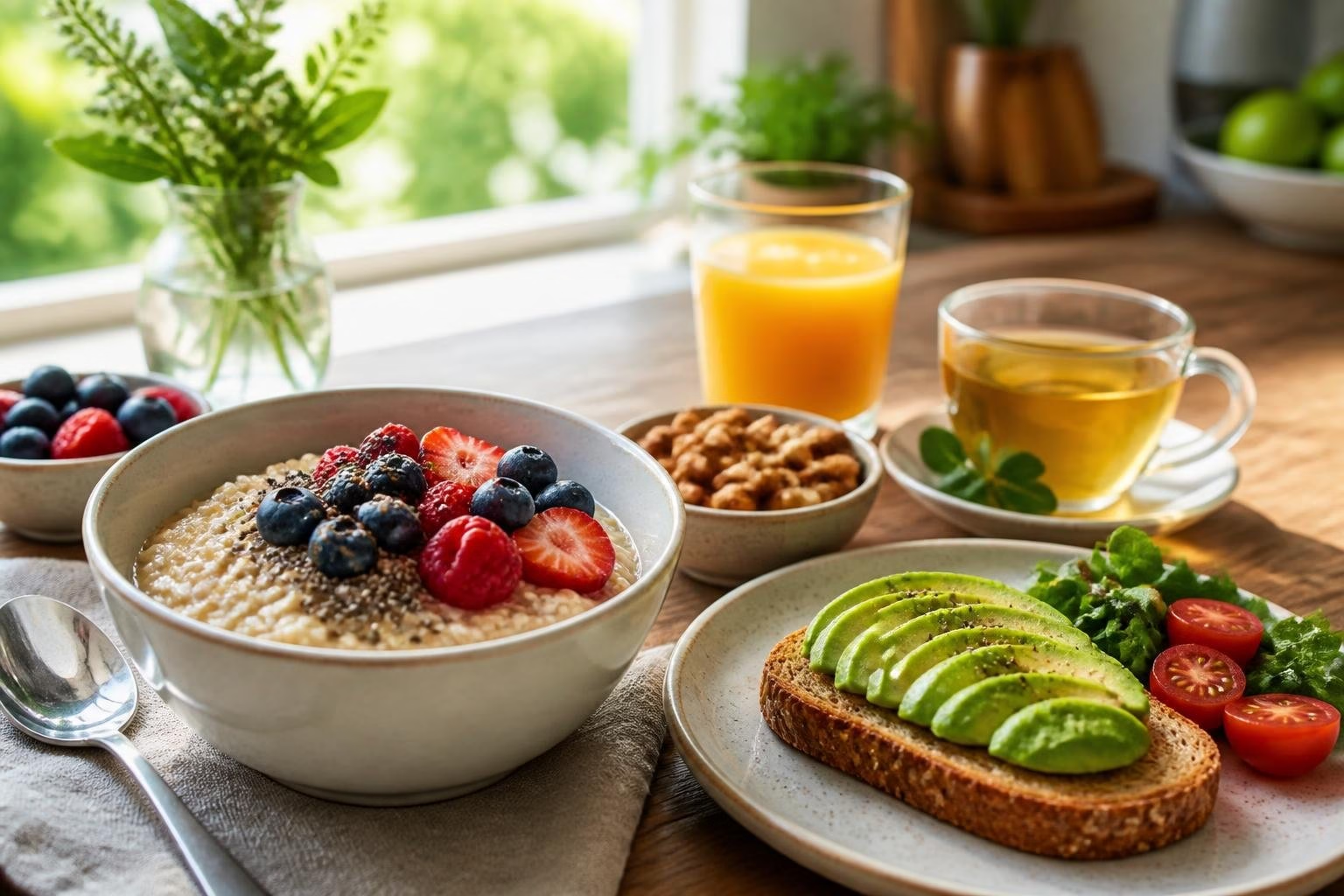
Building a balanced breakfast starts with ingredients that help manage blood sugar and provide lasting energy. Nutrient-dense whole grains, quality proteins, healthy fats, fiber-rich veggies, and low-sugar fruits form the backbone of a meal that keeps glucose stable.
Whole Grains and Low-GI Carbohydrates
Whole grains give complex carbs that digest slowly and help prevent blood sugar spikes. Oats stand out because they contain beta-glucan, a fiber that slows sugar absorption.
Steel-cut or rolled oats work better than instant oats for blood sugar. Other good grains include barley, buckwheat, and broken wheat, which all have lower glycemic impacts than refined grains.
Traditional grains like ragi (finger millet), bajra, and jowar offer unique benefits for diabetes. These low-GI grains give steady energy without big glucose jumps.
Wheat bran cereal packs a lot of fiber and doesn’t hit blood sugar too hard. A typical serving has about 5 grams of fiber and 23 grams of carbs.
Lean Proteins and Healthy Fats
Protein-rich foods help keep blood sugar steady and help people feel full. Eggs are affordable, versatile, and have just 0.36 grams of carbs and 6.3 grams of protein per large egg.
People with diabetes can enjoy eggs safely. Cooking them poached or boiled adds no extra fat, but they’re also great fried, scrambled, or in veggie omelets.
Lentils, chickpeas, and other legumes offer both protein and fiber. Moong dal cheela (savory lentil pancakes) combines protein with complex carbs for balanced nutrition.
Healthy fats play a key role in slowing carb absorption. Avocados have monounsaturated fats and fiber that help prevent blood sugar from rising too quickly. Avocado toast on multigrain bread provides 9.42 grams of fiber per serving.
Chia seeds and flax seeds deliver omega-3s and soluble fiber. Cooking with olive oil or canola oil adds healthy fats without too much saturated fat. Unsweetened almond milk works well in smoothies and cereals, keeping carbs low.
Non-Starchy Vegetables and Fiber-Rich Options
Non-starchy veggies add bulk, nutrients, and fiber without much effect on blood sugar. Broccoli, cauliflower, zucchini, and mushrooms are great in egg dishes and savory breakfasts.
Carrots bring vitamins and color, though they do have a bit more natural sugar than some veggies. Green peas add protein and fiber, making them a filling choice for scrambles or porridges.
Leafy greens and tomatoes offer freshness and antioxidants. They’re low in carbs but rich in essential vitamins and minerals.
Methi (fenugreek leaves) has a long tradition in blood sugar management. Tossing these into pancakes or egg dishes boosts both nutrition and flavor.
Combining veggies with whole grains or proteins creates meals that keep hunger at bay for hours. A veggie-packed omelet or whole grain toast with sautéed vegetables brings balance and taste.
Diabetes-Friendly Fruits and Additions
Berries are among the best fruit choices for diabetes. They’re lower in sugar than many fruits and high in fiber—blueberries, strawberries, and raspberries deliver antioxidants and vitamins with a gentle impact on blood sugar.
A half-cup of blueberries in Greek yogurt adds about 11 grams of carbs and some good fiber. Fresh berries liven up oatmeal, cottage cheese, or toast without causing sudden blood sugar jumps.
Cinnamon may help improve insulin sensitivity when sprinkled on breakfast foods. It brings flavor to oatmeal, yogurt, and pancakes without adding sugar or calories.
Seasoning blends like everything bagel seasoning can add flavor to avocado toast or eggs—just check labels to avoid hidden sugars or too much salt.
Even with diabetes-friendly fruits, keeping portions moderate helps maintain blood sugar control. Pairing fruit with protein or healthy fats further blunts its glucose impact.
Healthy Breakfast Recipes and Practical Meal Ideas
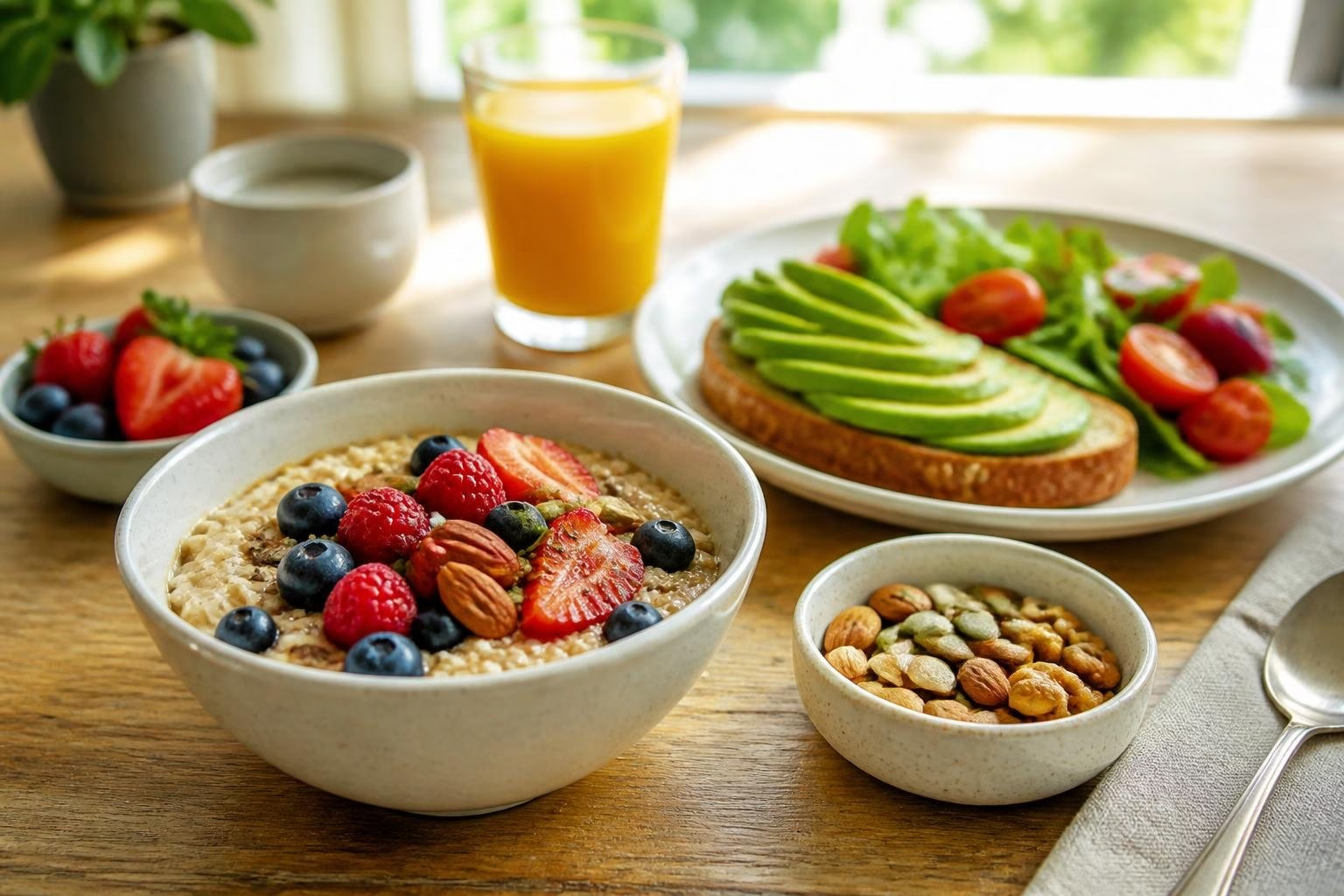
Planning nutritious morning meals helps people with diabetes keep blood sugar steady while still enjoying food. Preparing options in advance, choosing protein-rich ingredients, and exploring different cuisines can make healthy eating feel a lot more doable—and honestly, a lot more fun.
Make-Ahead and Grab-and-Go Breakfasts
Egg muffins really shine as a make-ahead breakfast for people managing diabetes. They’re easy to customize—just mix eggs with veggies like spinach, mushrooms, and bell peppers, maybe a sprinkle of cheese, and bake them in a muffin tin.
These little egg cups keep well in the fridge, so grabbing one on a busy morning feels effortless.
Chia pudding makes breakfast almost automatic. Stir chia seeds into unsweetened almond milk, add a spoonful of peanut butter, toss in some berries, and let it all sit overnight.
Chia seeds bring omega-3 fats, fiber, magnesium, protein, and antioxidants—all good things for blood sugar control.
Breakfast bento boxes turn breakfast into an organized, portable meal. Try hard-boiled eggs with avocado and apple, or cottage cheese with berries and almonds.
These combos don’t need reheating, so they travel well if someone’s headed to work or an appointment.
High-Protein and Fiber Meals
Protein and fiber help slow digestion, which keeps blood sugar steadier. Steel cut oats cooked with a scoop of protein powder make a filling, steady-energy breakfast.
Berries, nuts, and cinnamon add flavor and nutrition without piling on carbs.
Cottage cheese bowls pack in over 23 grams of protein per cup. Sweeten things up with cinnamon, berries, and almond butter, or go savory with sautéed greens and a poached egg.
Crustless quiche ditches the crust but keeps the comfort of traditional egg dishes. Kale, mushrooms, onions, feta, and eggs come together for a meal high in protein and fiber.
Make it ahead and stash it in the fridge for the week—super convenient.
Turkey and sweet potato hash is a solid pick for anyone who loves savory breakfasts. Ground turkey brings lean protein, and sweet potatoes add fiber, magnesium, and potassium, all of which support blood sugar balance.
Quick Indian Breakfast Options
Indian breakfasts offer plenty of diabetes-friendly choices focused on whole grains and vegetables. Moong dal dosa uses split green gram to make a high-protein, fermented crepe that goes well with coconut chutney and sambar.
Fermenting the batter may even help with digestibility and nutrient uptake.
Oats upma swaps out semolina for whole grain oats, lowering the glycemic load. Carrots, peas, and onions join mustard seeds and curry leaves for that classic upma flavor.
Nutritious thalipeeth blends flours like jowar, bajra, and whole wheat with fenugreek leaves and spices. These Indian breakfast recipes deliver complex carbs, so energy releases slowly through the morning.
Ideas for Flavor, Variety, and Ease
Sweet potato toast is a creative twist on traditional toast. Slice sweet potato thin, bake until crisp, and top with avocado and red pepper flakes, or almond butter, banana, and chia seeds.
It’s a fun way to cut down on refined carbs and keep breakfast interesting.
Almond flour pancakes scratch that pancake itch without sending blood sugar soaring. Almond and coconut flour replace regular flour, lowering the carb count.
Top with sugar-free syrup and fresh berries for a treat that won’t wreck blood sugar.
Whole grain toast with smoked salmon, cream cheese, and cucumber comes together in minutes. Fatty fish like salmon may help with blood sugar management and lower the risk of diabetic complications.
No cooking required—just assemble and go.
Chickpea scramble brings a plant-based spin to breakfast. Mash chickpeas, season with turmeric, cumin, and nutritional yeast, and sauté for a savory, fiber-rich meal that helps keep glucose steady.
Tips for Building a Sustainable Breakfast Routine

Making breakfast work day after day is about fitting healthy habits into real life, not making things harder. People find success by tweaking meals to their own tastes, eating the right amounts at the right times, and cooking in ways that keep nutrients in and blood sugar steady.
Adapting Recipes for Personal Preferences
A breakfast routine only sticks if it’s enjoyable. People with diabetes can change up diabetes-friendly recipes to suit their own tastes while still keeping blood sugar in check.
Not a fan of plain Greek yogurt? Try mixing in cinnamon or vanilla extract instead of sugar. Oatmeal feeling bland? Toss in nuts, seeds, or a handful of berries for more flavor and texture.
Cultural favorites matter, too. Traditional breakfast foods from different backgrounds can work—just swap in whole grains and adjust serving sizes. Someone used to eating rice at breakfast can use brown rice in smaller portions with eggs and veggies.
Simple Swaps for Better Blood Sugar
- Swap white bread for whole grain or almond flour bread
- Pick plain yogurt with fresh fruit instead of sweetened varieties
- Try pancakes made from ground oats rather than regular flour
- Choose turkey bacon over pork bacon
Managing Portion Size and Timing
How much and when someone eats breakfast can really shape blood sugar the rest of the morning. Carbohydrates affect blood glucose the most, so keeping an eye on portions helps keep things stable.
For example, a single bagel can pack over 50 grams of carbs, which might spike blood sugar fast. People taking diabetes meds should work with their healthcare provider to find the right carb amount for their morning meal.
Eating breakfast at the same time each day helps the body predict and manage blood sugar better. Skipping breakfast or eating at random times can make things tricky.
Checking blood glucose before breakfast and two hours after gives helpful clues about which foods work best. This way, people can tweak their portions and food choices for better results.
Choosing the Right Cooking Methods
How someone cooks can change how food affects blood sugar and overall health. Picking healthy fats while cooking lowers heart disease risk and supports diabetes management.
Frying eggs in butter or letting bacon cook in its own fat adds saturated fats that aren’t great for heart health. Using a quick spritz of cooking spray on the pan skips the extra fat but keeps flavor intact.
Better Cooking Techniques
- Poaching: Cooks eggs with no added fat
- Hard boiling: Preps protein ahead of time for easy grab-and-go
- Baking: Makes it easy to batch-cook things like almond flour muffins or egg cups
- Scrambling with spray: Cuts down on saturated fat compared to butter
Steaming veggies and grilling lean proteins keeps nutrients in and calories down. These methods work well for balanced, diabetes-friendly breakfasts that need protein, fiber, and controlled carbs.
Frequently Asked Questions
People with diabetes usually have questions about which breakfast foods best support healthy blood sugar. Knowing what works and how to portion meals can make mornings less stressful and more predictable.
What are the best low-glycemic breakfast options to help maintain stable blood sugar levels?
Low-glycemic breakfasts help avoid sudden blood sugar spikes by releasing glucose slowly. Eggs are a top pick—no carbs and lots of protein.
Greek yogurt with berries is another solid choice. Seven ounces of low-fat Greek yogurt and half a cup of blueberries bring protein and fiber but keep carbs in check.
Oatmeal made from steel-cut or rolled oats contains beta-glucan, a special fiber. This fiber helps lower blood sugar and keeps hunger at bay.
Avocado toast on multigrain bread delivers healthy fats and fiber. The monounsaturated fat in avocado may help stop blood sugar from rising too fast after eating.
How many grams of carbohydrates should a balanced breakfast include for effective glucose management?
Most experts suggest 15-30 grams of slow-digesting carbs with enough protein and healthy fats. This range usually keeps post-meal blood sugar rises under 40 mg/dL for most adults.
Half a cup of oatmeal has about 27 grams of carbs. Pairing it with nuts or Greek yogurt helps keep blood sugar steady.
One slice of multigrain toast with half an avocado lands around 24 grams of carbs. The fiber in both slows digestion and helps avoid sharp spikes.
Everyone’s needs are different—medications, activity, and personal blood sugar responses all play a role. A healthcare provider can help figure out the right carb amount for each person.
Which protein sources are most suitable at breakfast to improve satiety and blood sugar control?
Eggs are one of the most versatile and affordable protein choices for people with diabetes. Each large egg brings 6.3 grams of protein and less than a gram of carbs.
Greek yogurt is another protein powerhouse. One serving gives about 20 grams of protein, which helps control appetite and keeps blood sugar steadier.
Cottage cheese is also a great high-protein option. A single serving contains 38 grams of protein and might help with insulin resistance.
Tofu fits easily into breakfast scrambles or alongside whole grain toast. About 3.5 ounces of firm tofu delivers nearly 15 grams of protein.
Nut butters—like peanut, almond, or cashew—add both protein and healthy fats. Spread them on whole grain bread to slow sugar’s release into the bloodstream.
What are practical meal-prep breakfast ideas that are quick, nutritious, and blood sugar friendly?
Chia seed pudding takes just a few minutes to mix up the night before. Stash it in the fridge, and you’ve got a fiber-rich breakfast waiting—just add milk and some fruit, and it’s ready to grab on a busy morning.
Hard-boiled eggs are a classic for a reason. You can make several at once, keep them chilled, and pair with a piece of fruit or whole grain toast for a simple, balanced meal.
Overnight oats are another handy option. Prep them in mason jars for easy portion control, and toss in some nuts, seeds, or a spoonful of nut butter to boost protein and healthy fats.
Veggie frittatas work well when baked in batches. Slice them up, store in the fridge, and just reheat a serving in the microwave when you’re short on time.
Low-carb muffins, especially those made with almond or whole wheat flour, freeze beautifully. Pull one out in the morning, and breakfast is basically done—no fuss required.
Which fruits can be included at breakfast without causing significant blood sugar spikes?
Berries are a top pick for steady blood sugar. Blueberries, strawberries, and raspberries offer plenty of fiber, which slows down how quickly sugar hits your system.
Just half a cup of blueberries adds around 11 grams of carbs. If you pair them with Greek yogurt or another protein, they help create a balanced breakfast.
Bananas get a bad rap, but small portions can fit into breakfast plans. Their fiber content helps slow down the absorption of natural sugars, making them less likely to spike blood sugar when eaten in moderation.
Avocados, technically a fruit, barely have any carbs but provide healthy fats. They add nutrients and creaminess to breakfast without bumping up blood sugar.
Honestly, portion size often matters more than the type of fruit. Eating fruit with protein and healthy fats can help keep glucose levels steady.
What are common breakfast foods that may raise blood sugar quickly and should be limited or avoided?
Many cereals pack in a lot of added sugars and refined grains. Granola and cereal clusters might look healthy, but they often contain extra sugars and unhealthy fats.
White bread and bagels made from refined flour turn into glucose fast. These options lack the fiber that helps slow down sugar absorption.
Fruit juices concentrate natural sugars and strip away the helpful fiber found in whole fruits. Even 100% fruit juice can send blood sugar soaring.
Pancakes and waffles made with white flour, especially when topped with syrup, deliver a big hit of refined carbs. The classic versions of these breakfast favorites usually have more carbohydrates than recommended.
Sweetened yogurts add extra sugars, which bump up the total carbs quite a bit. Plain yogurt gives the same protein benefits without the sugar overload.
Pastries, donuts, and muffins from bakeries usually combine refined flour with hefty amounts of sugar. These treats offer little nutrition and can quickly raise blood glucose levels.