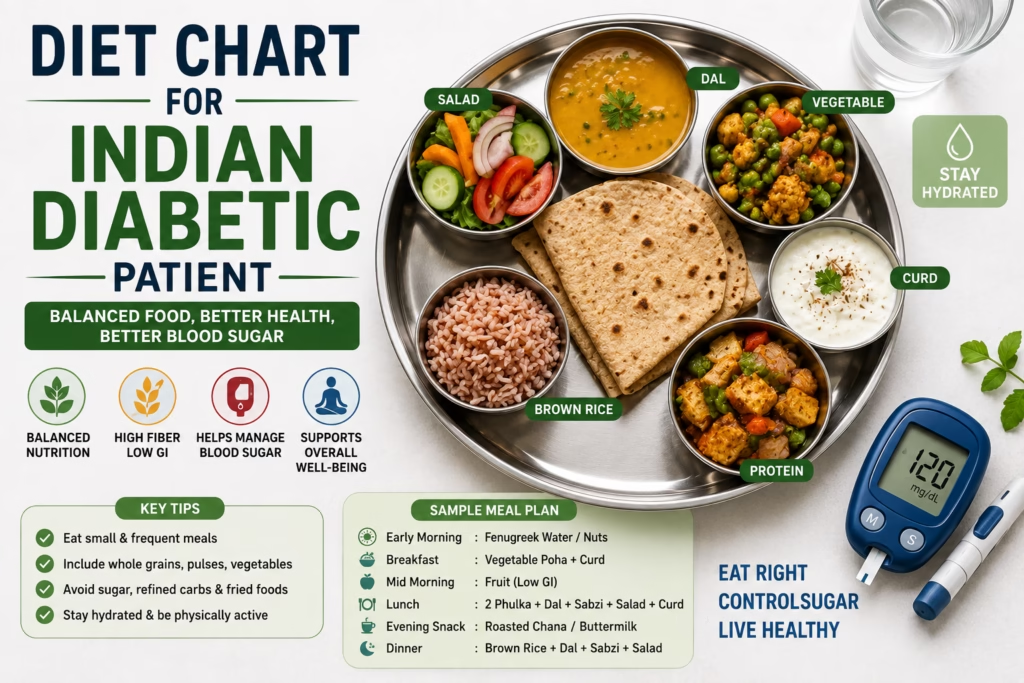

Managing diabetes in India isn’t just about cutting out sweets—it’s about rethinking how traditional meals fit into daily life. A solid diet chart gives people a way to control blood sugar without losing the comfort of familiar foods.
Many Indian diabetic patients find it tough to balance their love for rice, roti, and dal with the need to keep glucose levels steady. It’s a daily challenge, honestly.
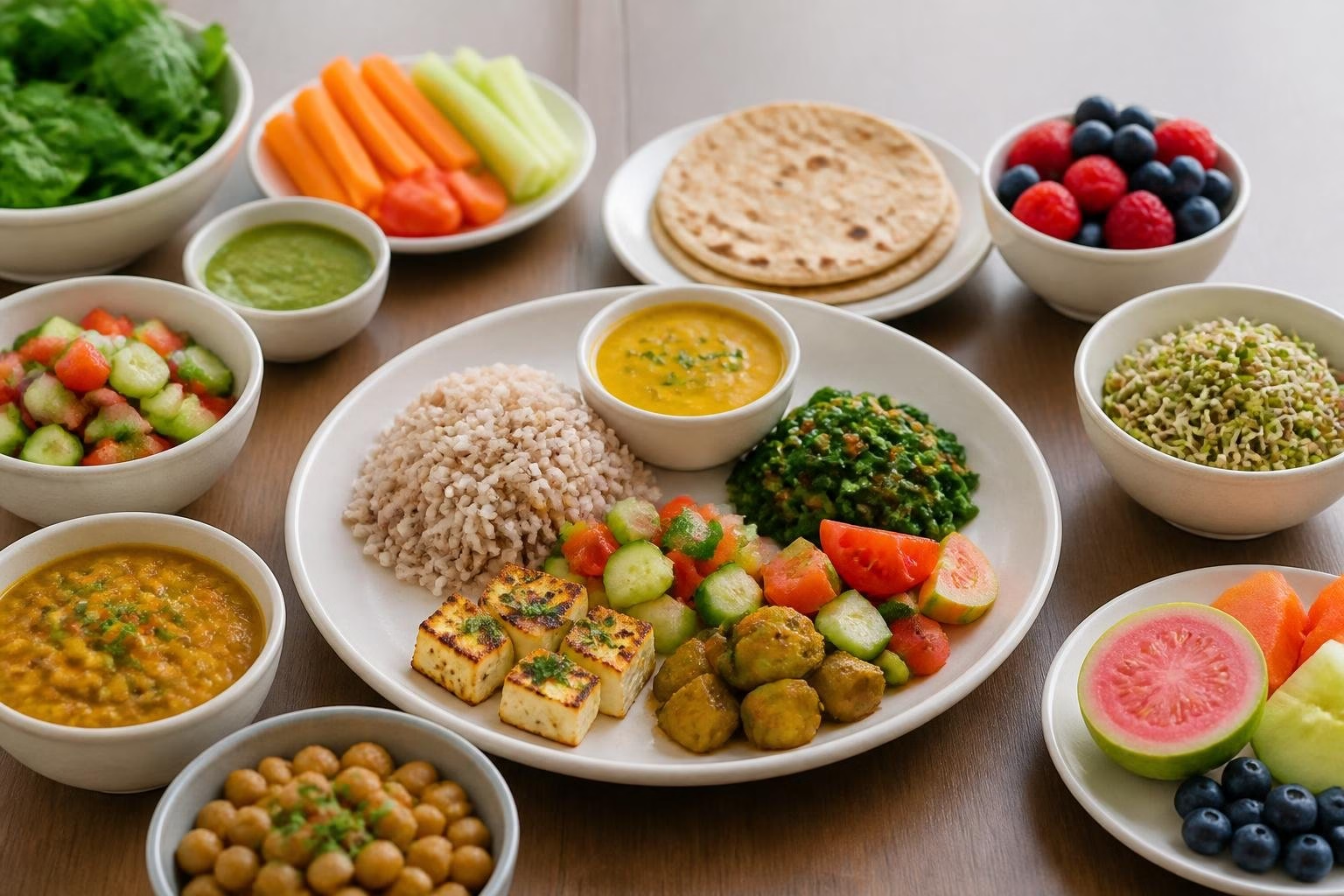
An effective Indian diabetic diet chart centers on low glycemic index foods. Ideally, half the plate should be non-starchy vegetables, a quarter lean proteins like moong dal or paneer, and a quarter complex grains such as jowar or bajra.
This method helps prevent sudden blood sugar spikes while still giving enough energy for daily routines. Choosing whole grains over refined ones and packing in fiber from veggies and lentils really makes a difference.
A 7-day Indian diet plan for diabetic patients can simplify things. Swapping white rice for brown or just adding a bit more salad to every meal can help a lot.
With some guidance, most people can manage diabetes and still enjoy the flavors they grew up with.
Key Takeaways
- Fill half your plate with non-starchy vegetables and divide the rest between lean protein and complex carbohydrates.
- Pick low glycemic foods like millets, whole dals, and leafy greens to keep blood sugar steady.
- Stick to consistent meal timing and reasonable portions to improve glucose control and reduce insulin resistance.
Core Principles of an Indian Diabetic Diet
Managing diabetes with diet means knowing how foods impact blood sugar and sticking to a plan. The glycemic index helps guide food choices, while watching portions keeps things in check.
Understanding Glycemic Index and Its Role
The glycemic index (GI) shows how fast foods raise blood sugar. Foods with a low glycemic index release glucose slowly, which helps avoid sudden spikes.
An Indian diabetic diet chart should focus on low-GI options. Brown rice, oats, millets like ragi and jowar, and barley all digest slower than white rice or refined flour.
Vegetables such as spinach, broccoli, and beans barely nudge glucose levels. Protein sources like lentils, chickpeas, and paneer also have a low GI.
Fruits including guava, apples, and pears fit in moderation, thanks to their fiber and lower GI. High-GI foods, like white bread, potatoes, and sugary drinks, should be limited.
Even small changes—like picking whole wheat rotis over maida-based ones—can help manage blood sugar.
Fundamentals of Portion Control
Eating too much of even healthy foods can still raise blood sugar. A structured approach to portions makes it easier to keep glucose levels steady.
The plate method keeps things simple:
- 50% non-starchy vegetables like cauliflower, cabbage, or leafy greens
- 25% lean protein such as dal, eggs, or tofu
- 25% complex carbohydrates including millets or brown rice
Measuring servings helps. Think one roti, half a cup of cooked rice, or a small bowl of dal as a standard portion.
Small, frequent meals throughout the day work better than giant ones. Drinking water before eating and taking time with meals can help the body realize when it’s full.
Medical Nutrition Therapy Strategies
Medical nutrition therapy means a healthcare professional tailors dietary advice to manage diabetes. This approach factors in health conditions, medications, and lifestyle.
A diet chart for diabetic patients built on these principles balances carbs, protein, and healthy fats at each meal.
Fiber is crucial—getting 25-30 grams daily from vegetables, pulses, and whole grains supports better blood sugar control. Regular meal times help too.
Indian spices like fenugreek, cinnamon, and turmeric might support metabolic health, though results vary. Keeping tabs on blood glucose lets people tweak their diet as needed.
Foods to Include and Avoid for Blood Sugar Control
A good Indian diabetes diet leans into whole grains, protein-rich foods, and low-GI options. Picking the right traditional dishes and skipping refined ingredients can make meals both effective and satisfying.
Recommended Grains, Pulses, and Traditional Dishes
Whole grains and pulses are the backbone here. Brown rice, oats, and millets like jowar, bajra, and ragi release sugar gradually.
Low GI foods like these keep energy levels more stable. Multigrain roti—wheat, jowar, bajra—offers more fiber than regular wheat rotis.
A ragi dosa brings minerals and a lower glycemic punch. Millet khichdi mixes grains and lentils for a balanced meal.
Pulses like moong dal, masoor dal, chickpeas, and kidney beans offer protein and fiber. Moong dal chilla works great for breakfast, especially stuffed with veggies.
Besan chilla (chickpea flour) is another solid choice. Traditional dishes like steamed idlis, oat-based upma, or whole wheat parathas with spinach or methi can all fit, as long as portions stay reasonable.
Proteins, Dairy, and Healthy Fats
Protein slows sugar absorption and helps keep hunger at bay. Lean chicken, fish, eggs, paneer, and tofu provide solid protein without too much fat.
Dal-based dishes with moong, masoor, or toor are staples in foods for diabetes plans. Low-fat dairy like curd, buttermilk, or skimmed milk brings calcium and protein.
Grill or lightly sauté paneer instead of frying it. Healthy fats from nuts, seeds, and certain oils support heart health.
Almonds, walnuts, flaxseeds, and chia seeds provide omega-3s. Five or six almonds make a smart mid-morning snack.
Use olive oil, mustard oil, or rice bran oil for cooking, but keep the amounts small. Full-fat dairy and too much ghee should be avoided—healthy fats are still best in moderation.
Low GI Fruits and Hydration Choices
Low glycaemic fruits like guava, apples, pears, papaya, and pomegranate can be included, especially when eaten whole with the skin.
Berries such as strawberries and blueberries add antioxidants with less sugar. Oranges and muskmelon work in small portions.
Skip fruit juices—they lack fiber and raise blood sugar fast. Bitter gourd juice is a traditional option some people swear by, but it should complement medication, not replace it.
Mixing it with lemon or cucumber can help with the taste, if you’re feeling brave. Water is still the best drink—aim for eight to ten glasses each day.
Green tea, herbal teas, and buttermilk give some variety without added sugar. Coconut water’s fine once in a while, but keep it to small amounts.
Foods and Ingredients to Limit
Refined grains like white rice, maida products, and instant noodles spike blood sugar quickly. Swap these for whole grain options in your diabetic diet meal plan.
Avoid completely:
- White bread, naan, and kulcha
- Sweets, mithai, and desserts
- Sugar-sweetened drinks and sodas
- Deep-fried snacks like samosas, pakoras, and bhujia
- Packaged cookies, cakes, and pastries
Limit severely:
- Potatoes and starchy vegetables
- Banana, mango, and grapes
- Honey, jaggery, and sugar in any form
- Processed meats and high-fat dairy
- Coconut milk and creamy curries
Restaurant food often hides sugar and extra oil. Home-cooked meals give better control over what goes in and how much.
Reading nutrition labels helps spot added sugars in packaged foods. It’s worth the extra minute.
Sample Meal Plans and Practical Diet Charts
A structured 7-day Indian diet plan for diabetic patients can help keep blood sugar steady while letting people enjoy traditional foods.
These plans use low-glycemic ingredients, portion control, and regular meal timing to build sustainable eating habits.
7-Day Indian Vegetarian Meal Plan
A complete Indian vegetarian diet chart for diabetic patients usually includes whole grains, legumes, and vegetables at every meal.
Day 1 might start with oats upma and green tea. Lunch could be moong dal with brown rice, and dinner might feature methi roti with dal.
Day 2 offers ragi dosa for breakfast, vegetable khichdi for lunch, and quinoa pulao for dinner.
Days 3-5 rotate millets like jowar or bajra for breakfast. Lunches often include whole wheat roti with mixed vegetable curry, and dals such as masoor, chana, or moong.
Evening snacks can be roasted chana, sprouts salad, or just a small apple.
Days 6-7 bring in poha with vegetables, samba wheat ven pongal, or besan chilla.
Sticking to meals every 3-4 hours helps keep things on track. Portion control matters—a couple of small rotis or half a cup of brown rice per meal keeps carbs in check.
Popular Indian Dishes Adapted for Diabetics
Traditional recipes can fit a diabetes diet plan without losing their appeal.
Biryani becomes more suitable when made with brown rice, extra veggies, and lean protein, while using less oil. It’s better to skip regular white rice biryani.
Dosas turn healthier with ragi, oats, or mixed lentils instead of refined rice batter. These ingredients provide more fiber and cause slower sugar rises.
Parathas should use whole wheat flour and minimal oil or ghee. Fillings like fenugreek, spinach, or grated vegetables work well.
Dal preparations—moong, masoor, and chana dal—offer protein and fiber. It’s smart to use only a teaspoon of oil for tadka rather than several tablespoons.
Vegetable curries such as bhindi masala, palak paneer (with low-fat paneer), and bottle gourd dishes fit nicely into an Indian diet chart for diabetes.
For coconut-based curries, smaller portions are best because of the higher fat content.
Sample Non-Vegetarian Options
People who eat meat can include lean proteins in a diabetic meal plan India.
Chicken is best grilled, baked, or cooked with little oil. Chicken curry with more vegetables and less gravy brings a balanced meal—about 100-120 grams per serving is enough.
Fish gives omega-3s that support heart health. Grilled pomfret, baked salmon, or fish curry with a tomato base (not coconut) are good options.
Fried fish? Not recommended.
Eggs are versatile. Two egg whites plus a whole egg make a solid veggie omelet for breakfast. Boiled eggs also work as snacks.
Mutton can be included in small amounts—100 grams once or twice a week. Lean cuts with visible fat trimmed are better, and cooking with plenty of vegetables and little oil keeps it lighter.
Red meat intake needs watching because of saturated fat.
Tips for Meal Planning and Daily Routines
Building a diet plan for diabetic patients takes some planning and routine.
Meal timing works best when breakfast happens within an hour of waking, lunch comes after 4-5 hours, and dinner is 3-4 hours before sleep. This rhythm helps prevent blood sugar swings.
Advance prep makes things easier. Cooking dal and brown rice in batches, chopping veggies ahead, and portioning out roasted nuts can save a lot of time.
Soaking methi seeds overnight for morning water and prepping oats the night before also help keep breakfast quick and easy.
Portion control tools are handy. Using a katori for dal, a quarter plate for grains, and half a plate for veggies gives a visual guide.
Measuring oil and ghee with a small spoon helps keep things accurate.
Hydration habits are important. Drinking 8-10 glasses of water, herbal teas, or buttermilk keeps the body working well.
Sugary drinks and packaged juices really should stay off the menu. Checking blood sugar before and after meals in the first few weeks can show how different foods affect each person.
Customizing and Sustaining an Effective Indian Diabetes Diet
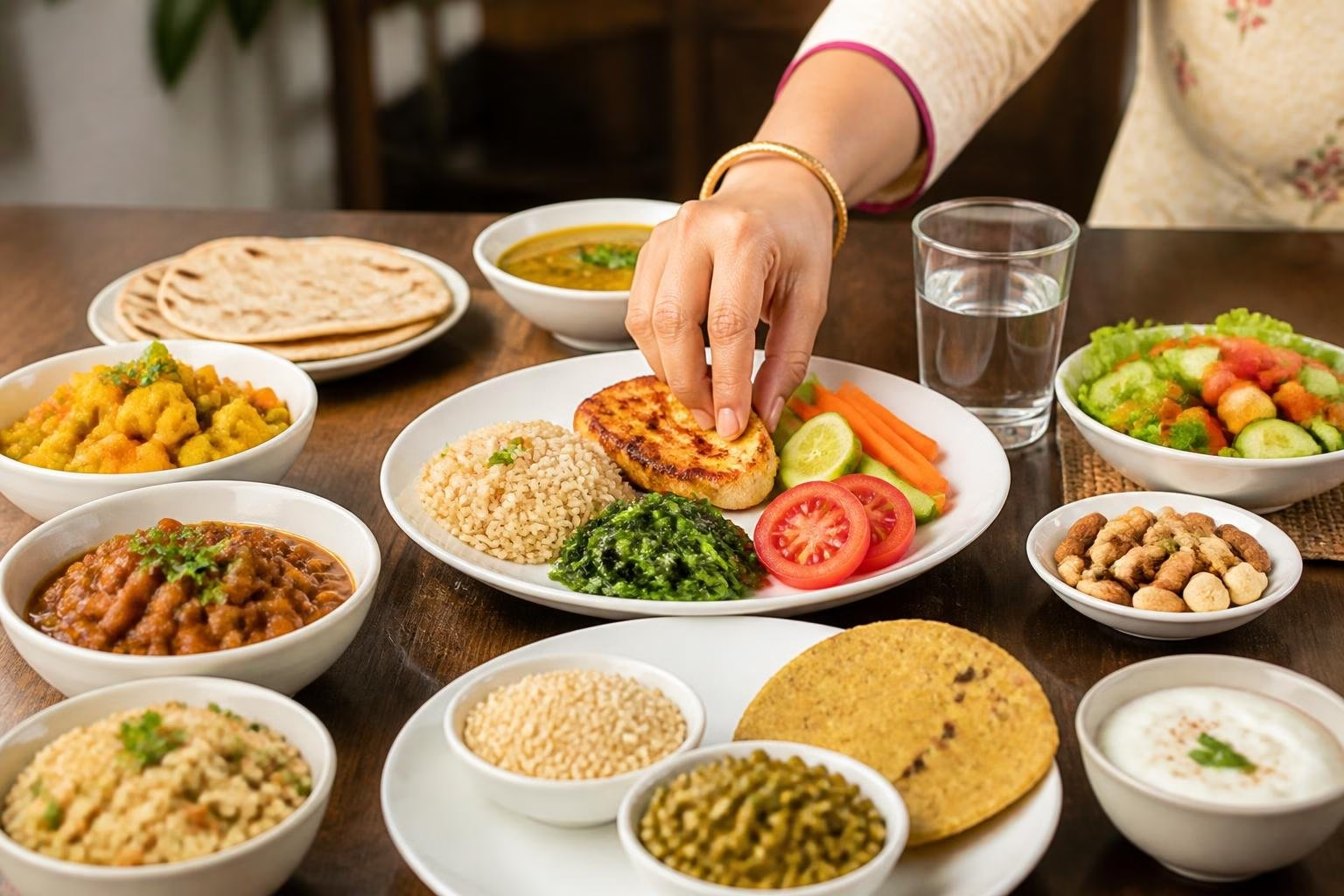
Making a diabetes-friendly Indian diet plan work over the long haul means tweaking meals for regional tastes and building habits that support blood sugar control.
Knowing when to get professional help also matters.
Adapting the Diet for Regional Preferences
India’s food culture is huge, so patients can adjust their diet chart to match local styles.
North Indian meals swap white rice for brown rice or millets in pulao and biryani. Using whole wheat flour for rotis and parathas is a smart move.
South Indian diets offer idli and dosa made from whole grains. Brown rice or ragi flour works better than white rice.
Pairing these with sambar from lentils and veggies helps with blood sugar control.
East Indian options include fish curries with little oil and small servings of brown rice. Traditional sweets like Bengali desserts should be rare treats, but vegetable dishes like shukto are good choices.
West Indian meals can feature bajra rotis, jowar bhakri, and veggie curries. Gujarati dishes need less sugar, and jaggery should be used only sparingly.
Regional meal plans let people enjoy familiar flavors while following their diabetes diet.
Lifestyle Changes for Long-Term Success
Physical activity makes a real difference in how well an Indian diet plan for diabetes works.
Thirty minutes of moderate exercise like brisk walking or yoga five times a week helps muscles use glucose better.
Eating at regular times each day helps the body manage insulin. Skipping meals, especially breakfast, isn’t a good idea.
Portion control keeps blood sugar from spiking, even with healthy foods. Smaller plates can help with serving sizes.
Measuring portions until estimating becomes second nature is a practical habit.
Managing stress through meditation or deep breathing helps prevent cortisol from raising blood sugar. Seven to eight hours of sleep each night supports healthy glucose metabolism.
Staying hydrated throughout the day helps flush excess sugar through urine.
When to Seek Expert Guidance
It’s wise to talk to a registered dietitian before starting a new diet chart for diabetes.
A dietitian can personalize meal plans based on health conditions, medications, and food preferences.
Medical advice becomes important if blood sugar stays unstable despite following a diet plan. Frequent low sugars or consistently high readings need prompt attention.
A diabetes educator can teach proper glucose monitoring and help make sense of the numbers.
Anyone taking insulin or diabetes medications should coordinate diet changes with their doctor. Adjusting food without medical input can cause risky blood sugar swings.
Those with kidney, heart, or other health issues need specialized dietary guidance for their needs.
Regular check-ups every three months let healthcare providers track HbA1c and fine-tune treatment.
Frequently Asked Questions
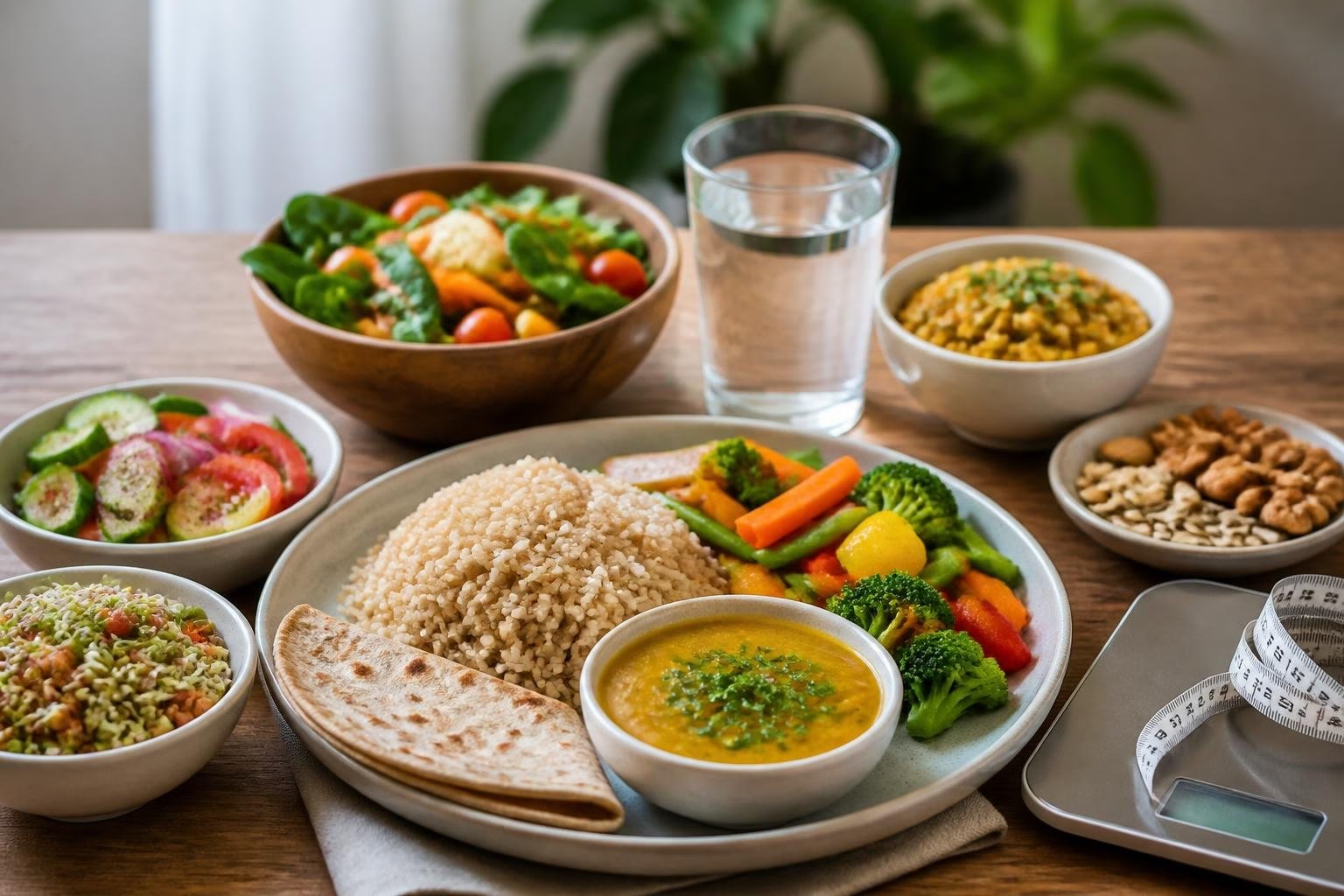
Managing diabetes through diet brings up plenty of practical questions about planning meals, controlling portions, and picking the right foods.
Understanding guidelines for Indian meals helps people make smart choices every day.
What should a balanced daily meal plan include to help manage blood sugar levels effectively?
A balanced daily meal plan includes three main meals and one or two planned snacks spread out during the day.
This pattern helps prevent blood sugar swings that can happen with long gaps or overeating at once.
The plate method makes things simple: fill half the plate with non-starchy vegetables like spinach, cauliflower, or bell peppers.
One quarter of the plate should be whole grains such as brown rice or multigrain roti, and the last quarter goes to protein sources like dal, tofu, or paneer.
Each meal works best when it combines complex carbs, lean proteins, and healthy fats. This mix slows digestion and helps prevent quick blood sugar rises.
Adding small servings of low glycemic index fruits like berries, guava, or apples is a good idea.
Drinking enough water supports overall health. Unsweetened drinks like buttermilk or herbal teas can be included unless a doctor says otherwise.
Which breakfast options are appropriate for maintaining stable glucose levels throughout the morning?
Vegetable oats upma starts the day with plenty of fiber, helping to keep blood sugar steady. Oats and vegetables bring soluble fiber and nutrients, keeping the glycemic load moderate without feeling heavy.
Moong dal chillas with mint chutney give a protein boost in the morning. These savory pancakes, made from ground moong dal, offer lasting energy and don’t send glucose levels soaring.
Ragi porridge brings calcium and fiber from finger millet. This traditional grain has a lower glycemic index than refined wheat, so it keeps people full longer.
Small idlis with sambar combine fermented rice and lentils. Fermentation and the protein from lentils help soften the impact on blood sugar, especially when eaten in controlled amounts.
Besan chillas, made from chickpea flour, offer another protein-rich breakfast. Paneer bhurji with whole wheat toast adds both protein and healthy fats, which slow down carbohydrate absorption.
What are suitable portion sizes for rice, roti, and other common staples to support glycemic control?
One cup of cooked brown rice is a typical lunch portion for many with diabetes. This amount gives enough carbohydrates but still leaves space for vegetables and protein.
Two small to medium multigrain rotis usually work for most main meals. The right size depends on a person’s calorie needs and blood sugar goals, which a healthcare provider should set.
Millets like jowar, bajra, or ragi can swap in for wheat rotis at similar portion sizes. These grains often have a lower glycemic index than refined grains and bring extra nutrients to the table.
It’s smart to work with a dietitian to find the right portions based on activity, weight, and medication. Everyone’s needs are a bit different, so a personalized approach matters.
Using smaller plates can make portion control easier. Measuring food for a few weeks gives people a better sense of what serving sizes look like on their usual dishes.
Which snacks can be included between meals without causing significant blood sugar spikes?
A small apple or orange brings natural sweetness with fiber that slows sugar absorption. Whole fruits are always the better choice over juices, which lack fiber and can spike blood sugar fast.
Roasted chana offers a crunchy, protein-rich snack. A small handful, about 50-60 calories, keeps energy up between meals.
Mixed nuts like almonds, walnuts, and cashews give healthy fats and protein. Two or three tablespoons satisfy hunger without piling on calories.
Sprouts salad with veggies adds vitamins, minerals, and protein. Moong or mixed sprouts taste great with a splash of lemon and a sprinkle of spices.
Roasted makhana is a low-calorie swap for fried snacks. These puffed lotus seeds have fiber and can be tossed with turmeric or black pepper for flavor.
Buttermilk with roasted cumin brings probiotics and hydration. This traditional drink is light on calories and supports digestive health.
How can vegetarian meal plans be structured to ensure adequate protein while supporting glucose management?
Dal made from moong, masoor, or mixed lentils should appear in at least one meal each day. A half cup of cooked dal gives about 7-9 grams of protein and fiber, both of which help manage blood sugar.
Paneer, eaten in moderation, offers complete protein. Dishes like palak paneer or matar paneer work well when cooked with minimal oil and paired with vegetables.
Tofu stands in as a versatile protein for those who avoid dairy. Tofu curry or tofu bhurji adds plant-based protein without the saturated fat.
Soya chunks deliver concentrated protein and fit into many curry recipes. They soak up flavors and work in both dry and gravy dishes.
Sprouted legumes boost both protein and nutrients. Sprouted moong works as a side or tossed into salads for extra crunch and nutrition.
Mixing different protein sources throughout the day makes it easier to meet needs. Pairing dal with rotis or rice creates complete proteins, so all essential amino acids are covered.
What foods and beverages should be limited or avoided to reduce the risk of post-meal glucose spikes?
White rice and white bread can rapidly raise blood sugar because they have a high glycemic index. Processing strips these refined grains of fiber and nutrients, leaving them less beneficial for blood sugar control.
Sugary foods like pastries, candies, and sweetened drinks deliver simple carbs straight into the bloodstream. Regular consumption of these items makes it tough to keep blood sugar steady.
Deep-fried snacks—think samosas, pakoras, and puris—come loaded with calories and unhealthy fats. When refined flour meets hot oil, the result is a food that can easily spike glucose levels.
Full-fat dairy products such as whole milk, cream, and regular cheese bring saturated fats into the diet. These fats may contribute to insulin resistance and could raise the risk of heart problems over time.