

You’ve made it to your second trimester, and your midwife or OB just mentioned it’s time for your glucose screening test. For many pregnant women, this triggers an immediate flood of questions — What exactly is this test? Do I need to fast? What does it mean if my results come back high? Do I have gestational diabetes?
Here’s the reassuring truth: the glucose screening test is one of the most routine and well-established tests in prenatal care. It’s not something to fear — but it is something worth understanding thoroughly, because the results genuinely matter for both your health and your baby’s.
This comprehensive guide helps you understand everything — how the test works, the difference between the one-step and two-step approaches, what normal and abnormal results look like, and what happens next if you confirm gestational diabetes.
What Is the Glucose Screening Test in Pregnancy?
The glucose screening test — also called the glucose challenge test (GCT) — checks how well your body processes sugar (glucose) during pregnancy as a standard prenatal blood test.
It screens specifically for gestational diabetes mellitus (GDM): a form of high blood sugar that develops during pregnancy in women who didn’t have diabetes before becoming pregnant.
Gestational diabetes occurs because pregnancy hormones — particularly human placental lactogen (hPL), progesterone, and cortisol — progressively increase insulin resistance as the pregnancy advances. In most women, the pancreas compensates by producing more insulin. In some women, it can’t keep up — and blood glucose rises to abnormal levels.
Why Does Gestational Diabetes Matter?
Left undetected and unmanaged, gestational diabetes carries real risks:
For the baby:
- Macrosomia (larger-than-normal birth weight), increasing delivery complications
- Neonatal hypoglycemia (low blood sugar after birth)
- Increased risk of premature birth
- Higher lifetime risk of obesity and type 2 diabetes
- In severe cases, stillbirth (rare but documented)
For the mother:
- Higher likelihood of caesarean delivery
- Preeclampsia (dangerous high blood pressure in pregnancy)
- Increased risk of developing type 2 diabetes later in life
- Urinary tract infections
The critical point: gestational diabetes typically has no obvious symptoms. Most women feel completely normal — which is precisely why universal screening exists.
When Is the Glucose Screening Test Done?
For most pregnant women, healthcare providers perform the glucose screening test between 24 and 28 weeks of pregnancy — the period when placental hormones reach levels high enough to meaningfully challenge insulin response.
Earlier Testing May Be Recommended If You:
- Had elevated glucose levels in a urine sample during routine prenatal visits
- Were diagnosed with gestational diabetes in a previous pregnancy
- Have a strong family history of type 2 diabetes
- Are significantly overweight or obese (BMI above 30)
- Have polycystic ovary syndrome (PCOS)
- Are over 35 years old
- Previously gave birth to a baby weighing more than 4.5 kg (9.9 lbs)
- Belong to an ethnic group with higher diabetes prevalence (South Asian, Middle Eastern, African, Hispanic)
Who May Not Need Screening?
A small subset of women considered low risk may not require routine screening. To qualify as low risk, all of the following must apply:
- Younger than 25 years old with a healthy body weight
- No personal history of abnormal blood glucose
- No first-degree relatives (parent, sibling, or child) with diabetes
- Member of an ethnic group with low baseline diabetes risk
- No history of poor pregnancy outcomes (miscarriage, stillbirth, macrosomic baby)
- No current pregnancy complications
In practice, most clinical guidelines recommend screening for the vast majority of pregnant women, as risk factors are common and gestational diabetes frequently occurs in women with no obvious risk profile.
Two Testing Approaches: One-Step vs. Two-Step
Researchers use two internationally recognized approaches to screen for gestational diabetes. Your healthcare provider will determine which is appropriate based on clinical guidelines, your risk level, and local practice standards.
📊 One-Step vs. Two-Step: At a Glance
| Feature | Two-Step Testing | One-Step Testing |
|---|---|---|
| First test | 50g glucose, no fasting needed | 75g glucose, fasting required |
| Fasting required initially? | No | Yes |
| Follow-up test needed? | Only if first test is abnormal | No — single comprehensive test |
| Total blood draws | 1 (screening) + 4 (if needed) | 3 |
| Total time | 1 hr (screening) + 3 hrs (if needed) | 2 hours |
| Glucose dose (diagnostic) | 100g | 75g |
| Most common in | USA, India, many Asian countries | Recommended by WHO, IADPSG |
The Two-Step Testing Process: A Step-by-Step Guide
The two-step approach is the most widely used method in many countries, including India and the United States.
Step 1: The Glucose Challenge Test (GCT) — Screening
Preparation:
- No fasting required — this is one of its key practical advantages
- Eat normally in the days leading up to the test
- Inform your provider of any medications you’re taking, as some can affect glucose readings
What happens:
- You arrive at the clinic or laboratory
- You drink a sweet liquid containing 50 grams of glucose (similar in taste to a very sweet carbonated drink — many women describe it as an orange or cola-flavored syrup)
- You wait for exactly 60 minutes — during which you should remain relatively still and avoid eating or drinking anything else
- A blood sample is drawn from your arm to measure your blood glucose level
Time required: Approximately 1 to 1.5 hours total
Normal result: Blood glucose at or below 140 mg/dL (7.8 mmol/L)
If your result is normal — you’re done. No further glucose testing is needed at this stage.
If your result is above 140 mg/dL, this does not mean you have gestational diabetes. It means you need the diagnostic follow-up test (Step 2). Importantly, approximately 2 out of 3 women who proceed to the second step do not have gestational diabetes.
Step 2: The 3-Hour Oral Glucose Tolerance Test (OGTT) — Diagnostic
This test is longer, requires fasting, and involves multiple blood draws — but it provides a definitive diagnosis.
Preparation (Important):
- Fast for 8 to 14 hours before the test (water is permitted in small sips)
- Continue fasting throughout the test — no eating or drinking during the 3-hour window
- Eat normally for at least 3 days before the test — avoid deliberately reducing carbohydrate intake, as this can falsely alter results
- Schedule accordingly (most women prefer an early morning appointment after an overnight fast)
What happens:
- A fasting blood sample is drawn before you drink anything
- You drink a liquid containing 100 grams of glucose
- Blood samples are drawn at 1 hour, 2 hours, and 3 hours after drinking
- Each sample is tested for blood glucose level
Time required: At least 3 hours — plan to stay at the clinic for the duration
The One-Step Testing Process
Some providers and healthcare systems follow the International Association of Diabetes and Pregnancy Study Groups (IADPSG) one-step protocol, which the World Health Organization (WHO) also endorses.
Preparation:
- Fast for 8 to 14 hours before the test
- Water is permitted; no other food or drink until the test is complete
What happens:
- A fasting blood sample is drawn
- You drink a liquid containing 75 grams of glucose
- Blood samples are drawn at 1 hour and 2 hours after drinking
Time required: At least 2 hours
This single test replaces both steps of the two-step protocol, potentially catching more cases of gestational diabetes — though it also results in a higher diagnosis rate, which some health systems prefer to avoid due to resource implications.
Understanding Your Results
Two-Step Testing: What the Numbers Mean
Step 1 — Glucose Challenge Test:
| Result | Interpretation |
|---|---|
| ≤ 140 mg/dL (7.8 mmol/L) | Normal — no gestational diabetes |
| > 140 mg/dL (7.8 mmol/L) | Requires Step 2 (OGTT) for diagnosis |
Note: Some providers use a lower threshold of 130 mg/dL to increase sensitivity — particularly for high-risk women.
Step 2 — 3-Hour OGTT (100g): Abnormal Values
Gestational diabetes is diagnosed if two or more of the following values are met or exceeded:
| Time Point | Abnormal Threshold |
|---|---|
| Fasting | ≥ 95 mg/dL (5.3 mmol/L) |
| 1 Hour | ≥ 180 mg/dL (10.0 mmol/L) |
| 2 Hours | ≥ 155 mg/dL (8.6 mmol/L) |
| 3 Hours | ≥ 140 mg/dL (7.8 mmol/L) |
If only one value is abnormal: You do not meet the diagnostic criteria for gestational diabetes. However, your provider may recommend dietary adjustments and a repeat test, as a single abnormal value can still indicate glucose intolerance worth monitoring.
If two or more values are abnormal: A diagnosis of gestational diabetes is confirmed.
One-Step Testing: What the Numbers Mean
2-Hour OGTT (75g): Abnormal Values
Gestational diabetes is diagnosed if any one of the following values is met or exceeded:
| Time Point | Abnormal Threshold |
|---|---|
| Fasting | ≥ 92 mg/dL (5.1 mmol/L) |
| 1 Hour | ≥ 180 mg/dL (10.0 mmol/L) |
| 2 Hours | ≥ 153 mg/dL (8.5 mmol/L) |
Notice the key difference: the one-step test requires only one abnormal value for diagnosis, compared to two in the two-step approach. This is why the one-step method typically identifies more cases — which may be clinically beneficial but also leads to healthcare providers managing more women as having gestational diabetes.
How to Prepare for Best Results
A few practical steps help ensure your test results are accurate and the experience as comfortable as possible:
Before the Test
Eat normally in the 3 days before testing — do not deliberately cut carbohydrates. Restricting carbs artificially lowers glucose readings, which can produce a falsely normal result and miss a real diagnosis.
Inform your provider about all medications and supplements you’re taking — corticosteroids, some antihypertensives, and iron supplements with certain formulations can affect glucose metabolism.
Stay well-hydrated — especially if fasting is required. Small sips of water are permitted.
Avoid strenuous exercise immediately before the test, as intense physical activity can temporarily alter glucose levels.
Plan your schedule carefully — the 3-hour OGTT requires you to remain at the clinic for the full duration. Bring something to read, listen to, or watch, and wear comfortable clothing.
Avoid smoking on the day of the test — nicotine affects insulin sensitivity and can skew results.
During the Test
- Remain seated and rested throughout the waiting period — walking around or exercising during the test can artificially lower readings.
- Do not eat, drink, or chew gum during the test window (unless water has been specifically permitted by your provider).
- Tell the nurse or technician immediately if you feel unwell — nausea, dizziness, and lightheadedness are uncommon but possible side effects of drinking concentrated glucose, especially on an empty stomach.
Managing the Glucose Drink
Many women find the glucose solution unpleasant — it’s intensely sweet and can cause mild nausea in some pregnancies. A few things that help:
- Drink it chilled if possible — many labs refrigerate it, and cooler temperatures reduce the sweetness intensity
- Drink it steadily but not too fast — most providers recommend finishing it within 5 minutes
- Avoid rushing — gulping too quickly can trigger nausea
- If you vomit during or immediately after drinking, inform your provider — you will likely need to reschedule the test, as your body won’t have fully absorbed the glucose dose.
What Happens If You’re Diagnosed With Gestational Diabetes?
A gestational diabetes diagnosis can feel frightening — but it’s important to understand that it is entirely manageable, and most women with gestational diabetes go on to have healthy pregnancies and healthy babies with proper care and monitoring.
Here’s what typically happens after diagnosis:
1. Referral to a Specialist Team
You’ll likely be referred to or closely supported by a multidisciplinary team that may include:
An obstetrician or maternal-fetal medicine specialist
A diabetes educator or clinical nurse specialist
A registered dietitian with expertise in gestational nutrition
In some cases, an endocrinologist
2. Medical Nutrition Therapy (MNT)
Diet modification is almost always the first line of management for gestational diabetes — and for many women, it’s sufficient on its own to bring blood sugar under control.
Key dietary principles include:
- Distribute carbohydrates evenly across 3 main meals and 2–3 snacks — avoiding large carbohydrate loads at any single sitting
- Prioritize low-GI, complex carbohydrates — brown rice, whole wheat bread, oats, legumes, and most vegetables
- Include protein at every meal — helps slow glucose absorption and supports fetal development
- Limit refined carbohydrates and added sugars — white bread, white rice, sugary drinks, sweets, and fruit juices
- Be mindful of fruit portions — fruit contains natural sugars (fructose) that still affect blood glucose; whole fruit in moderate portions is preferable to juice
- Don’t skip meals — going too long without eating can cause blood sugar to drop too low, followed by a rebound spike
A common meal planning framework used by gestational diabetes dietitians:
- Breakfast: The most insulin-resistant meal of the day for most pregnant women — keep carbohydrates lowest at breakfast
- Lunch and Dinner: Moderate, balanced portions
- Snacks: Small, protein-rich snacks help maintain stable glucose between meals
3. Blood Sugar Self-Monitoring
You will monitor your blood glucose at home using a glucometer — a small device that tests a drop of blood from your fingertip. Typical monitoring schedule:
| Time | Target Blood Glucose Level |
|---|---|
| Fasting (morning, before eating) | Below 95 mg/dL (5.3 mmol/L) |
| 1 hour after meals | Below 140 mg/dL (7.8 mmol/L) |
| 2 hours after meals | Below 120 mg/dL (6.7 mmol/L) |
Your doctor may adjust these targets based on your individual circumstances. Consistent logging of readings helps your care team identify patterns and fine-tune your management plan.
4. Physical Activity
Regular, moderate physical activity significantly improves insulin sensitivity — meaning your body uses insulin more effectively, which directly lowers blood sugar.
Safe and effective exercise options during pregnancy:
- Brisk walking (30 minutes daily or three 10-minute walks after meals)
- Swimming or water aerobics
- Stationary cycling
- Prenatal yoga
- Light resistance training (with appropriate guidance)
Most gestational diabetes management protocols recommend a 10–15 minute walk after each meal as particularly effective at blunting post-meal glucose spikes.
Always consult your obstetrician before beginning or modifying an exercise routine during pregnancy, especially if you have any obstetric complications.
5. Medication: Insulin or Oral Agents
If blood sugar remains above target despite consistent dietary changes and regular physical activity, doctors introduce medication — typically within 1–2 weeks of diagnosis if lifestyle measures aren’t working.
Doctors commonly prescribe insulin and extensively study it as the medication for gestational diabetes. It does not cross the placenta in significant amounts, making it safe for the baby.
Some healthcare providers use Metformin (an oral medication) in certain settings as an alternative or adjunct to insulin — particularly where insulin administration is impractical. While it does cross the placenta, large-scale studies have not shown harm to the baby at standard therapeutic doses. However, some long-term follow-up data remains under investigation, and insulin remains the preferred option in many guidelines.
6. Increased Fetal Monitoring
Women with gestational diabetes typically receive additional monitoring throughout the remainder of pregnancy, which may include:
- More frequent prenatal appointments
- Growth ultrasounds every 4 weeks from 28–36 weeks to monitor fetal size
- Biophysical profiles or non-stress tests in the third trimester to assess fetal wellbeing
- Discussion of delivery timing — many providers recommend delivery by 39–40 weeks to reduce the risk of complications associated with a large baby
After Delivery: What Happens to Gestational Diabetes?
For the vast majority of women — approximately 85–90% — gestational diabetes resolves completely after delivery once the placenta (the source of the glucose-disrupting hormones) is delivered.
However, having gestational diabetes significantly increases your future health risk:
- Women with gestational diabetes have a 40–60% lifetime risk of developing type 2 diabetes — compared to approximately 10% in the general population
- The risk of gestational diabetes recurring in a future pregnancy is approximately 30–84% depending on various factors
Post-Delivery Testing Schedule
| Timeframe | Recommended Test |
|---|---|
| 6–12 weeks postpartum | 75g OGTT (fasting) — first priority check |
| Every 1–3 years thereafter | Fasting glucose or HbA1c — ongoing monitoring |
| Before next pregnancy | Preconception glucose screening recommended |
Breastfeeding note: Breastfeeding has been shown to improve insulin sensitivity and is associated with a reduced risk of type 2 diabetes progression — one of many reasons it’s encouraged for women who had gestational diabetes.
Risk Factors for Gestational Diabetes: A Detailed Overview
Understanding your risk profile helps contextualize why screening is so important — and why some women are screened earlier than others.
Higher Risk Factors
| Risk Factor | Why It Matters |
|---|---|
| Previous gestational diabetes | Strongest single predictor of recurrence |
| Pre-pregnancy BMI > 30 | Excess body fat drives baseline insulin resistance |
| Family history of type 2 diabetes | Genetic predisposition to impaired insulin function |
| PCOS | Associated with chronic insulin resistance independent of weight |
| Previous macrosomic baby (>4.5 kg) | May indicate undetected glucose issues in prior pregnancy |
| Ethnicity | South Asian, Middle Eastern, African, and Hispanic women have higher baseline risk |
| Age > 35 | Insulin sensitivity declines with age |
| Multiple pregnancy (twins/triplets) | Increased placental hormone production amplifies insulin resistance |
Complications of Unmanaged Gestational Diabetes
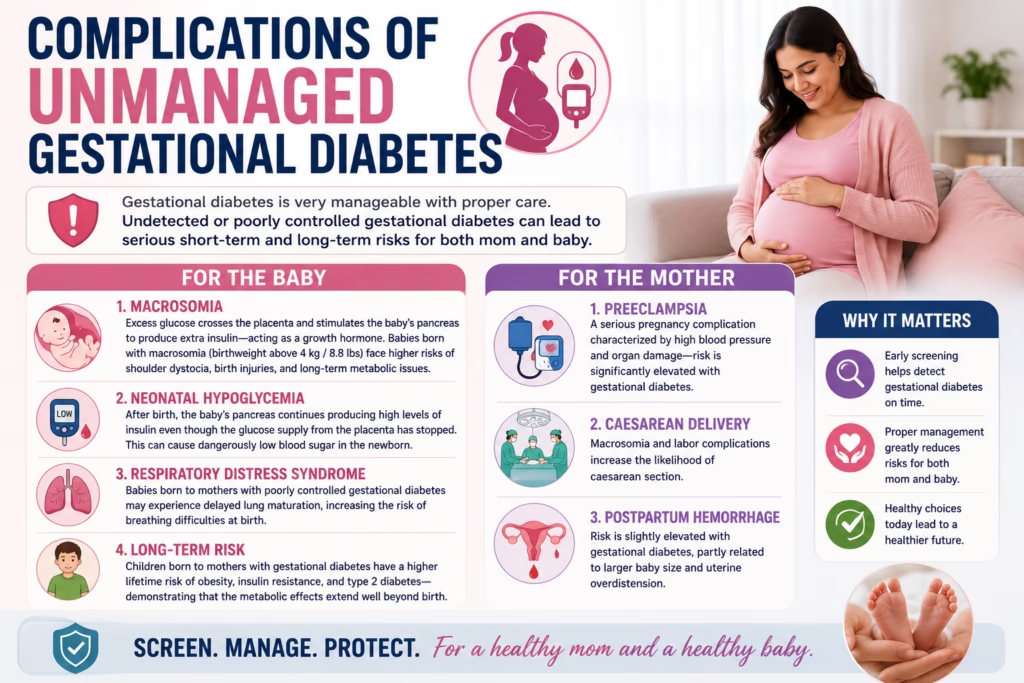
While gestational diabetes is very manageable with proper care, it’s worth understanding the genuine risks of leaving it undetected or poorly controlled — not to cause anxiety, but to reinforce why screening and management matter.
For the Baby
Macrosomia: Excess glucose crosses the placenta and stimulates the baby’s pancreas to produce extra insulin — acting as a growth hormone. Babies born with macrosomia (birthweight above 4 kg / 8.8 lbs) face higher risks of shoulder dystocia during delivery, birth injuries, and long-term metabolic issues.
Neonatal Hypoglycemia: After birth, the baby’s pancreas continues producing high levels of insulin (conditioned by the high-glucose intrauterine environment) even though the glucose supply from the placenta has stopped. This can cause dangerously low blood sugar in the newborn, requiring glucose supplementation.
Respiratory Distress Syndrome: Babies born to mothers with poorly controlled gestational diabetes may experience delayed lung maturation, increasing the risk of breathing difficulties at birth.
Long-Term Risk: Children born to mothers with gestational diabetes have a higher lifetime risk of obesity, insulin resistance, and type 2 diabetes — demonstrating that the metabolic effects extend well beyond birth.
For the Mother
Preeclampsia: A serious pregnancy complication characterized by high blood pressure and organ damage — risk is significantly elevated with gestational diabetes.
Caesarean Delivery: Macrosomia and labor complications increase the likelihood of caesarean section.
Postpartum Hemorrhage: Risk is slightly elevated with gestational diabetes, partly related to larger baby size and uterine overdistension.
Gestational Diabetes vs. Pre-existing Diabetes in Pregnancy
It’s important to distinguish between gestational diabetes and pre-existing diabetes (type 1 or type 2) diagnosed before pregnancy — as the management and risk profiles differ significantly.
| Feature | Gestational Diabetes | Pre-existing Diabetes |
|---|---|---|
| Onset | Develops during pregnancy | Present before conception |
| Cause | Pregnancy-induced insulin resistance | Autoimmune (T1D) or metabolic (T2D) |
| Resolves after delivery? | Usually yes (85–90%) | No |
| Screening timing | 24–28 weeks (or earlier if high-risk) | Assessed at first prenatal visit |
| Fetal risk level | Moderate (if well-managed) | Higher — especially if poorly controlled in first trimester |
| Management | Diet, exercise, insulin/metformin if needed | Pre-existing insulin or medication regimen adjusted for pregnancy |
Women with pre-existing diabetes require preconception counseling and tighter glucose control before conception — particularly to reduce the risk of neural tube defects and congenital anomalies that can occur in the critical first 8 weeks of fetal organ development.
Frequently Asked Questions (FAQ)
Q1: What is the glucose screening test during pregnancy?
The glucose screening test during pregnancy — also called the glucose challenge test (GCT) — is a routine prenatal blood test performed between 24 and 28 weeks of pregnancy. It checks how your body processes sugar and screens for gestational diabetes. You drink a 50-gram glucose solution, and your blood sugar is measured one hour later. No fasting is required for this initial screening test.
Q2: Do I need to fast before the glucose screening test in pregnancy?
For the initial one-hour glucose challenge test (Step 1 of the two-step approach), fasting is not required — you can eat and drink normally beforehand. However, if you proceed to the diagnostic 3-hour OGTT (Step 2), fasting for 8 to 14 hours before the test is required. The one-step 75g OGTT also requires fasting.