When someone has diabetes, their body processes fluids differently than usual. Diabetic urine may range from clear or pale yellow—often when blood sugar runs high and the body flushes out extra glucose—to dark yellow or amber if dehydration sets in. These color changes can offer early warning signs about blood sugar control and hydration.
Understanding what different urine colors mean for diabetes management helps people spot potential problems early.
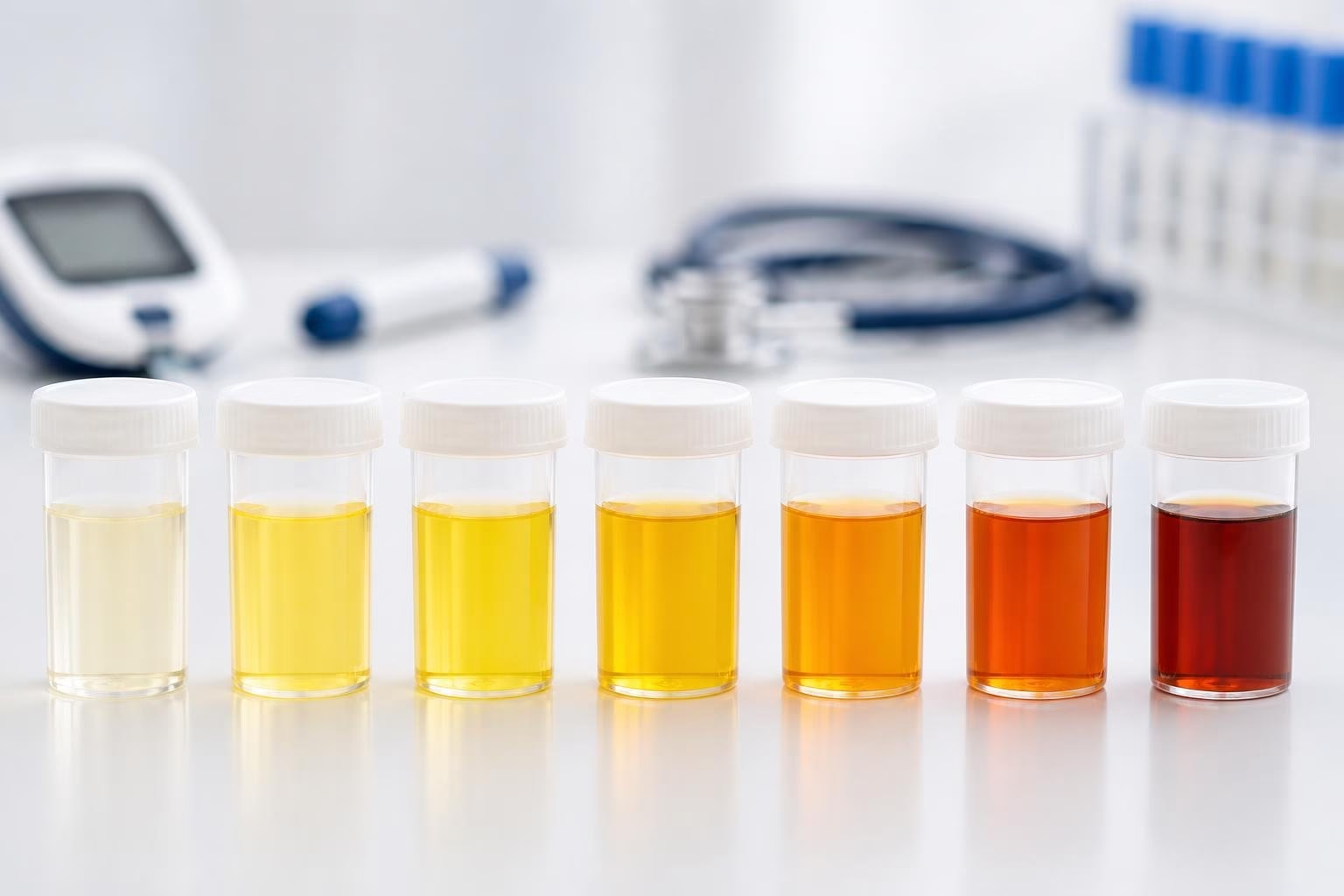
The color of urine reveals details about how well someone manages their diabetes. Clear urine, especially if it appears constantly and comes with excessive thirst, often points to high blood sugar.
Dark yellow or brown urine usually means dehydration, which people with diabetes face more often than others.
A urine color chart helps people with diabetes track changes and know when they should take action. Light yellow generally means good hydration, while darker shades suggest the need to drink more water.
Pink, red, or cloudy urine requires immediate medical attention—these colors might point to infections or kidney problems, which diabetes makes more likely.
Key Takeaways
- Diabetic urine color ranges from clear to dark yellow depending on blood sugar and hydration
- Pale or clear urine with increased thirst often signals high blood sugar; dark yellow suggests dehydration
- Unusual colors like pink, red, brown, or cloudy urine need immediate medical evaluation
How Diabetes Affects Urine Appearance
Diabetes changes how the body handles fluids and sugar. The kidneys work harder to filter out extra glucose, which shifts urine concentration and color.
Role of Urochrome and Pigments
Urochrome gives urine its yellow color. It comes from the breakdown of old red blood cells.
The amount of urochrome in urine stays fairly steady. When someone drinks lots of water, urochrome gets diluted, and urine looks pale yellow.
If someone drinks less, the same amount of urochrome makes urine appear darker. People with diabetes often urinate more, which naturally dilutes urochrome and leads to lighter yellow urine—even if they don’t drink more water than usual.
Impact of High Blood Sugar and Glycosuria
High blood sugar triggers a chain of events in the kidneys. When blood glucose goes above about 180 mg/dL, the kidneys can’t reabsorb all the extra sugar. This overflow of glucose into the urine is called glycosuria.
Glycosuria pulls extra water into the urine—a process called osmotic diuresis. The body tries to flush out the extra sugar by making more urine. This leads to polyuria, or frequent urination.
The extra fluid loss makes people feel thirsty. Diabetes can cause urine to look totally clear if someone drinks a lot to quench that thirst. High urine volume plus increased water intake creates very diluted, pale urine.
Diabetes-Related Urine Changes
Several distinct changes show up in diabetic urine, beyond just color. These changes reflect what’s going on with metabolism and the kidneys.
Common urine changes in diabetes include:
- Clear or pale yellow: Frequent urination and high fluid intake
- Foamy appearance: Could mean proteinuria from kidney problems
- Sweet smell: Sugar spilling into urine
- Cloudy texture: Might signal a urinary tract infection, which happens more often in diabetes
Diabetes increases how often people urinate and changes normal urine concentration. Well-controlled diabetes usually leads to urine that looks pretty normal. When blood sugar runs high, though, urine may change in more noticeable ways.
Understanding the Urine Color Chart for Diabetes
A urine color chart lets people with diabetes keep an eye on hydration and spot health issues by matching urine shades to color categories. Different shades can point to dehydration, high blood sugar, kidney issues, or other conditions that need attention.
Normal Color Variations: From Pale Yellow to Amber
Healthy urine usually ranges from pale yellow to amber, depending on water intake. The yellow color comes from urochrome, a pigment made when the body breaks down old blood cells.
Pale yellow urine usually means someone is well-hydrated. Dark yellow urine suggests the body needs more water. Amber urine means mild to moderate dehydration.
For people with diabetes, paying attention to these normal shifts is important. High blood sugar can cause frequent urination, which brings on dehydration faster than in people without diabetes.
A diabetes urine color chart helps track these patterns. Urine concentration changes throughout the day. Morning urine often looks darker because the body goes hours without water overnight.
Clear, Dark, and Cloudy Urine: Key Differences
Clear urine looks almost like water and usually means someone drinks plenty of fluids. But constantly peeing clear liquid and feeling very thirsty can signal high blood sugar as the body tries to flush out excess glucose.
Dark urine appears deep amber or brown when someone is dehydrated. People with diabetes should watch for this—maybe they’re not drinking enough water, or their kidneys are working overtime to filter high glucose.
Cloudy urine looks murky or milky, not transparent. This can happen if excess glucose spills into the urine (glycosuria). Foamy urine or bubbles that stick around might mean proteinuria, where protein leaks into urine because of kidney damage—a serious diabetes complication.
Pink, Red, and Brown Urine: Causes and Concerns
Pink or red urine often contains blood, a condition called hematuria. Several things can cause this:
- Urinary tract infections
- Kidney or bladder stones
- Kidney disease or injury
- Certain foods like beets or berries
- Medications that affect urine color
People with diabetes face higher risks for kidney problems. Any pink or red tint needs a doctor’s evaluation. Blood in urine doesn’t always look bright red—it might be light pink or even have a rusty color.
Brown urine can signal severe dehydration or liver problems. Dark brown urine, like cola, might mean old blood in the urinary tract. Some diabetes medications can also darken urine, but persistent color changes always deserve a doctor’s opinion.
Rare and Unusual Colors: Blue, Green, Purple, and Black
Blue or green urine is rare. Sometimes, specific medications, dyes used in tests, or food coloring can cause these shades. Certain bacterial infections may also produce green urine, but that’s uncommon.
Purple urine is extremely rare and usually appears in people with urinary catheters who develop a specific infection. This “purple urine bag syndrome” needs immediate medical care.
Black urine is a medical emergency. It might mean melanoma, a severe metabolic disorder, or poisoning. Anyone who sees black urine should contact a doctor right away, no matter their diabetes status.
| Urine Color | Common Meaning | Action Needed |
|---|---|---|
| Pale yellow | Good hydration | None |
| Dark yellow | Mild dehydration | Drink more water |
| Clear | Overhydration or high blood sugar | Monitor blood glucose |
| Cloudy | Possible infection or glucose spillage | Test for infection |
| Pink/Red | Blood present | See doctor |
| Brown | Severe dehydration or liver issue | Seek medical care |
| Blue/Green | Medication or dye | Check with pharmacist |
| Purple/Black | Medical emergency | Call doctor immediately |
Urine Changes as Indicators of Diabetic Complications
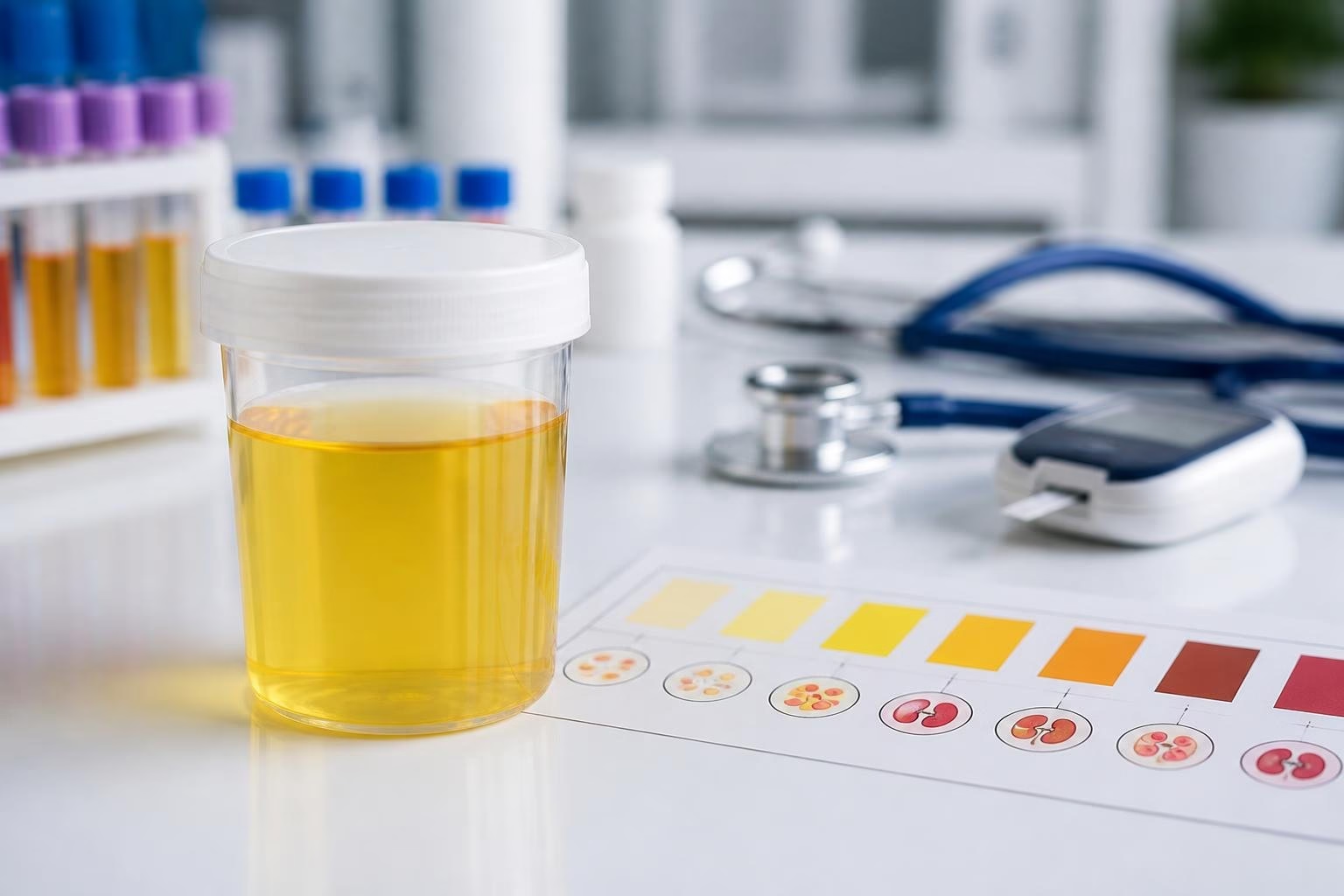
People with diabetes may notice several changes in urine that signal developing complications—from dehydration and infections to serious metabolic emergencies. These warning signs include altered color, unusual odors, more frequent urination, and changes in clarity that need quick attention.
Signs of Dehydration and Urine Concentration
Dark yellow or amber urine often means dehydration in people with diabetes. When blood sugar rises, the body tries to flush out extra glucose through frequent urination—polyuria. This can quickly lead to fluid loss and concentrated urine.
Concentrated urine looks darker because it has less water and more waste. People with polyuria might urinate several times an hour, losing a lot of fluids. This cycle can make dehydration worse and throw off blood sugar control, which creates more problems.
Staying hydrated helps prevent kidney stress and supports overall diabetes management. Drinking enough water throughout the day keeps urine pale yellow—a sign of healthy fluid balance.
Detecting Urinary Tract Infections and Kidney Issues
Cloudy or foamy urine sometimes signals serious complications that need medical attention. A cloudy appearance often points to a urinary tract infection, which people with diabetes tend to develop more easily because glucose in the urine creates a breeding ground for bacteria.
Foamy urine can mean proteinuria, where protein leaks into the urine. This often suggests diabetic nephropathy—kidney damage from long-term high blood sugar. Protein in urine appears when the kidney’s filters start to fail.
Seeing blood in urine—pink, red, or brown in color—always requires quick medical attention. It might point to kidney stones, a severe infection, or advanced kidney disease.
Regular urine tests can catch these issues early, giving doctors a chance to step in before things get worse.
Ketoacidosis, Sweet-Smelling Urine, and Other Red Flags
Sweet-smelling urine is a big red flag for diabetic ketoacidosis, which is a medical emergency. This fruity odor happens when the body starts burning fat for energy instead of glucose, producing ketones that end up in the urine.
Diabetic ketoacidosis develops if insulin drops too low and blood sugar rises dangerously high. Glycosuria—glucose in the urine—shows up when blood sugar gets so high that the kidneys can’t reabsorb it all. A urine test can catch this even before symptoms become obvious.
If someone notices sweet-smelling urine, they should check their blood sugar right away and call their healthcare provider. Other warning signs include urine that stays dark despite drinking enough water, sudden changes in how often someone urinates, or any odd color that food or medication can’t explain.
These signs of diabetes complications need prompt medical attention to stop things from getting worse.
Monitoring and Interpreting Urine Color in Diabetes
Regular urine checks help people with diabetes keep tabs on their metabolic health and catch early signs of trouble. A diabetes urine color chart gives a visual guide for comparing samples, and knowing when to seek medical advice is key for good diabetes management.
When to Use a Urine Test or Chart
People with diabetes should check their urine color if they notice changes in how often or how much they urinate. A diabetes urine color chart helps compare current samples against normal color ranges to spot possible issues.
Urine testing comes in handy when blood sugar swings a lot. If someone feels thirstier than usual, needs the bathroom more often, or deals with unexplained fatigue, it’s smart to check urine color.
The chart works as a general guide, not a diagnosis. It helps spot patterns, like if urine is always dark (maybe dehydration) or very pale (possibly too much fluid). Using the chart with blood glucose monitoring gives a fuller picture of diabetes control.
Home Monitoring Tips and Limitations
To get accurate results at home, people should check urine color in natural light, not under artificial lights that can mess with color perception. The best time is mid-stream during urination, since the first and last parts might not show the usual color.
Some things can throw off home urine tests. Foods like beets and rhubarb might turn urine pink or red for a short time. Certain medications can make urine look orange, blue, or green, but this doesn’t mean diabetes is out of control.
Hydration is the main thing affecting urine color in healthy people. Tracking water intake along with urine color helps tell the difference between dehydration and possible blood sugar problems.
When to Consult a Healthcare Provider
A healthcare provider should check out changes in urine color that stick around for more than a day or two. If urine stays dark and concentrated, even with good hydration, that could mean kidney trouble or severe dehydration.
Red or brown urine needs urgent attention, since blood in urine can signal kidney damage or infection. Cloudy or foul-smelling urine usually points to a urinary tract infection, and people with diabetes are at higher risk.
If someone notices foamy or bubbly urine that’s tough to flush, they should call their doctor. This can be an early sign of protein in the urine, hinting at kidney disease. Changes in urination frequency along with more thirst also deserve a doctor’s input, since they suggest blood sugar isn’t well controlled.
Frequently Asked Questions
People with diabetes often notice changes in their urine that make them wonder about blood sugar, hydration, and overall health. Figuring out what these changes mean can help them know when to take action.
What urine color changes can be associated with diabetes or high blood sugar levels?
Diabetes itself doesn’t usually create a specific urine color. Instead, people with diabetes might see changes in urine frequency and clarity more than dramatic color shifts.
When blood sugar gets high, the body tries to flush out extra glucose through urine. This leads to more frequent urination, which can make urine look pale yellow or even clear.
With well-managed diabetes, urine color usually stays normal. The main clue is how often someone needs to go, not the color itself.
Which urine colors may indicate dehydration versus a possible blood glucose issue?
Dark yellow or amber urine usually means dehydration and that someone should drink more water. This happens when the body can’t dilute waste in the urine due to low fluids.
High blood sugar can trigger frequent urination, making urine appear very pale or clear. Diabetes often causes increased thirst and urination, so people end up drinking more water and producing lighter urine.
Basically, dehydration makes urine darker and more concentrated. High blood sugar makes urine lighter because of frequent trips to the bathroom.
How should a urine color chart be interpreted for hydration status and potential health concerns?
Pale or transparent yellow urine shows good hydration. Dark yellow means mild dehydration and that it’s time for more water.
Orange or dark brown urine could mean severe dehydration or even liver issues. Dark orange or brown urine can happen if someone isn’t making much urine, so it gets more concentrated.
Pink or red urine might come from foods like beets, but it can also mean there’s blood in the urine. Green or blue urine usually comes from certain medications or food dyes, not diabetes.
When does dark, cloudy, or unusually strong-smelling urine warrant medical evaluation in a person with diabetes?
Cloudy urine with a bad smell often means a urinary tract infection. People with diabetes have an increased risk of UTIs, so it’s important to treat them quickly.
Dark urine that doesn’t get lighter after drinking more water should be checked by a doctor. It could point to kidney or liver problems.
If urine suddenly smells sweet or fruity, that may mean ketones are present. This is a serious sign and needs immediate medical care, as it can indicate diabetic ketoacidosis.
Can diabetes medications, vitamins, or supplements alter urine color, and how can this be distinguished from a medical problem?
Certain medications can change urine color without signaling a health problem. Some UTI drugs and meds with phenazopyridine can turn urine reddish-orange.
B vitamins often make urine look bright yellow or neon, which is harmless and just means the body is getting rid of extra vitamins.
The timing and presence of other symptoms help tell the difference. If urine color changes right after starting a new medication or supplement and there aren’t other symptoms, it’s probably just the medication. But if color changes come with pain, burning, or other symptoms, it’s best to see a healthcare provider.
What other symptoms alongside urine color changes may suggest a urinary tract infection or ketoacidosis in someone with diabetes?
A urinary tract infection often brings cloudy or foul-smelling urine. Many people also notice a burning sensation when they urinate.
There’s usually a frequent, urgent need to urinate. Lower abdominal pain can show up too.
Some might get a fever or chills along with these symptoms. If someone sees these signs with changes in urine appearance, it’s time to reach out to a healthcare provider.
Ketoacidosis, on the other hand, tends to look a bit different. Warning signs include extreme thirst and frequent urination.
Confusion or disorientation can set in. People might notice sweet or fruity-smelling breath.
Nausea, vomiting, and abdominal pain are common. Anyone experiencing these symptoms should seek emergency medical care right away.