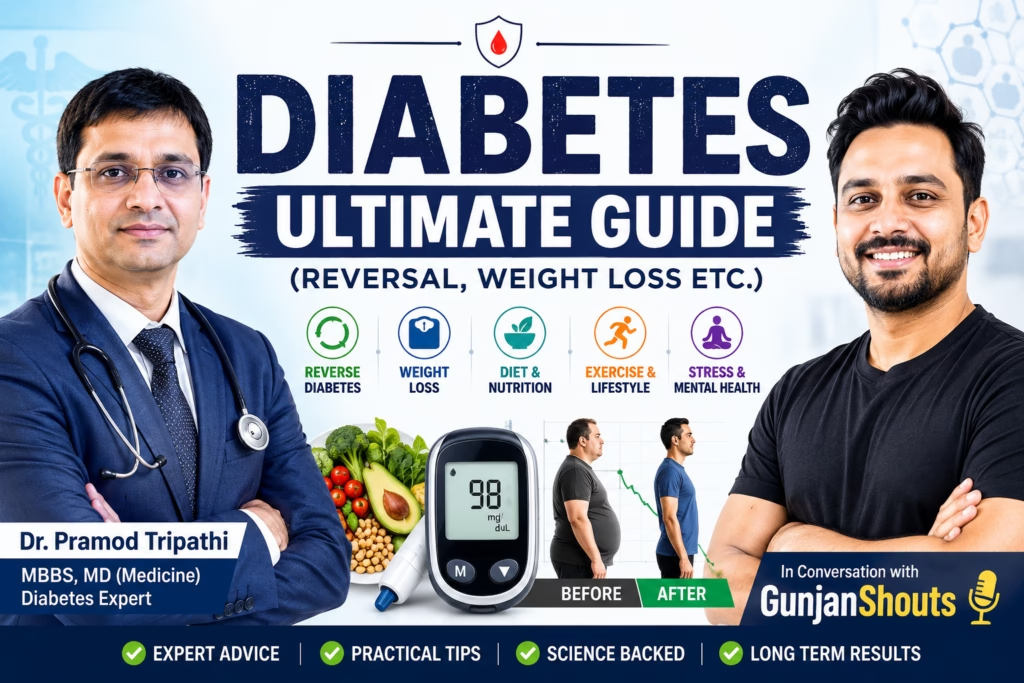

Many people struggle with diabetes, high blood pressure, cholesterol, and weight problems. Doctors often say to improve your lifestyle, but they rarely explain exactly what that means.
This leaves patients unsure about what changes to make in their diet and daily habits to reverse diabetes and take control of their health.
Dr. Pramod Tripathi, a diabetes reversal specialist and member of the American Diabetes Association, believes that type 2 diabetes can be reversed no matter where someone starts.
He shares a complete approach that goes beyond just taking medicine, including specific details about what to eat, which flour to use for bread, which oil to cook with, what fruits to choose, and even how to eat meals properly.
He also talks about the connection between the mind and diabetes, showing how changing beliefs can help reverse the condition.
Key Takeaways
- Type 2 diabetes can be reversed through specific lifestyle and dietary changes, regardless of current blood sugar levels.
- Daily choices about food types, cooking methods, and meal timing play a major role in controlling blood sugar.
- Mental beliefs and stress levels directly affect diabetes outcomes and need attention along with physical health.
Understanding Metabolic Health
The Way Blood Sugar Gets Controlled
The body manages blood sugar levels through a natural system. When someone eats, sugar from food enters the bloodstream.
The body must keep this sugar at safe levels. Different organs work together to make sure blood sugar doesn’t get too high or too low.
This balance is crucial for staying healthy. If the system starts to fail, problems begin to show up.
Key parts of blood sugar control:
- Food breaks down into sugar
- Sugar enters the blood
- The body responds to changes in sugar levels
- Organs send and receive signals
- Blood sugar stays in a safe range
When this system works well, people feel energetic. But when the body can’t manage blood sugar, trouble starts.
The Job of Insulin and How Cells Work
Insulin plays a big part in how the body handles sugar. When insulin works, cells use sugar for energy.
The cells need to listen to insulin’s signals. If they stop responding, sugar stays in the blood instead of going into cells.
High fasting insulin levels can show if the body is struggling with sugar management. This marker links to heart problems more than many realize.
The connection between stress and heart attacks also ties back to insulin function.
What happens with insulin:
- Insulin tells cells to take in sugar
- Cells use the sugar for energy
- The body stores extra sugar for later
- Problems start when cells stop listening
This breakdown leads to metabolic issues, which sit at the root of diabetes and related conditions.
Insulin Resistance Demystified
Recognizing Early Physical Changes
The body gives warning signs when insulin resistance develops. These signs often show up before a diabetes diagnosis.
Physical indicators include:
- Daily sugar cravings that feel impossible to control
- Need for tea or coffee at specific times each day
- Strong food addictions that mimic substance dependencies
Daily sugar cravings aren’t just about having a “sweet tooth.” If someone feels these cravings every day, it signals an underlying metabolic issue.
The body’s way of handling glucose and insulin has shifted. Tea addiction is another red flag people often ignore.
If someone needs tea at 7:00 AM and again at 3:00 or 4:00 PM, that’s dependency. The urge can be as strong as other addictions, and even the smell can trigger it.
Breaking out of this cycle isn’t easy. Most people struggle to let go of these habits.
Regular alcohol use also changes the body over time. People who drink daily or weekly in large amounts start to show visible patterns.
Fat builds up, acid levels rise, and changes appear in facial features and hair. People may look older than they really are.
The Domino Effect on Other Conditions
Insulin resistance doesn’t act alone. It triggers a chain reaction of health problems that reach across the body.
High fasting insulin predicts heart attacks even more strongly than smoking does. Stress and heart attack risk tie directly to insulin issues.
Insulin resistance affects much more than just blood sugar. It impacts:
- Blood pressure – Raises risk of hypertension
- Cholesterol levels – Throws off lipid balance
- Weight management – Leads to obesity
- Mental health – Increases psychological stress
The mental burden of diabetes-related conditions can be heavy. Strict dietary rules create stress. Some foods become off-limits, and daily routines revolve around medical management.
Some people need regular insulin injections and frequent blood tests. Medications pile up, and all of this becomes exhausting.
The restrictions can feel overwhelming, robbing people of the freedom to eat normally or live without constant medical reminders.
At the core, diabetes, high blood pressure, cholesterol problems, and obesity often have the same root cause. Doctors tell patients to improve their lifestyle, but that advice is usually too vague.
People need clear guidance on what to actually change in their diet and habits.
Lifestyle Factors Impacting Glycemic Control
Food Selection Impact
The main problem isn’t just diabetes. It’s not only about blood pressure, cholesterol, or weight gain.
The real issue is that when doctors say to improve your lifestyle, they don’t explain what that means. Sweet cravings every single day aren’t harmless.
It’s not enough to say you have a sweet tooth or that your whole family loves sweets. That excuse doesn’t hold up anymore.
Tea addiction is another example. It’s everywhere—people need tea at 7:00 or 7:30 in the morning and again at 3:00 or 4:00 in the afternoon.
This addiction is real, and the craving can hit hard. Getting out of this cycle isn’t simple.
Changing specific foods can help reverse diabetes. The right choices make a true difference.
Effects of Alcohol and Caffeine Habits
Some people drink alcohol and eat whatever they want, then check their reports and see nothing alarming. But lab reports don’t always tell the full story.
Drinking alcohol regularly causes real health problems. Daily or weekly drinking, especially in large amounts, does lasting damage.
Over time, body fat increases and acid levels go up. These changes can show up on the face and in the hair.
People start looking older than their age. Regular alcohol use speeds up aging, plain and simple.
Emotional and Psychological Influences
Heart attacks and stress are closely connected. High fasting insulin predicts heart attacks even more strongly than smoking.
People with diabetes deal with more than just physical symptoms. The mental burden can be immense and sometimes feels torturous.
They can’t eat this food. They can’t eat that food. Living with these restrictions is tough.
Some need regular insulin shots and frequent blood tests. Medicines and treatments pile up, and it’s draining.
Many wonder: Can diabetes be reversed? Others without diabetes hope they can keep it away for good.
The good news is, type 2 diabetes can be reversed.
No matter what level someone has today, returning to a normal life is possible.
Practical Nutrition Approaches
Choosing Appropriate Grains and Cooking Fats
The type of flour used for rotis matters in managing blood sugar. Not all grains affect the body the same way.
Choosing the right cooking oils also plays a direct role in health outcomes.
Different oils affect blood sugar control and overall wellness in different ways. Patients need practical guidance on which grains and fats work best for their condition.
Meal Scheduling and Food Preparation
When a person eats matters as much as what they eat. Meal timing plays a big role in blood sugar control.
How food is prepared also changes its impact on the body. Preparation methods can make a meal helpful or harmful for blood sugar.
Even the way someone eats—how they chew, how fast they eat—can influence how their body processes nutrients.
Handling Sugar Desires in a Healthy Way
Daily sweet cravings aren’t normal. Some people say it’s just a sweet tooth or family habit, but constant cravings signal something deeper.
Tea addiction is widespread. People crave tea at 7:00 or 7:30 in the morning and again at 3:00 or 4:00 in the afternoon.
The smell alone can trigger the urge. This pattern isn’t easy to break, but it needs attention instead of acceptance.
Daily sweet cravings show there’s a problem that needs fixing. Family history or personal preference isn’t a good enough reason to stick with unhealthy habits.
Changing Your Thinking for Better Health
Changing Unhelpful Thoughts
Your mind holds beliefs that can quietly sabotage your health goals. These thoughts often hide below the surface, yet they shape what you do every day.
If you tell yourself, “I have a sweet tooth,” you build a fixed identity around that idea. It gets much harder to shift your eating habits. People often say, “everyone in my family has a sweet tooth,” using it as a way out of making real changes.
Tea cravings can be just as stubborn. Lots of folks reach for tea at 7:00 AM and again in the afternoon. The aroma alone can set off cravings. This habit hooks the brain in ways that look a lot like other addictions. Breaking out of it isn’t easy.
Common limiting beliefs include:
- “I need something sweet every day”
- “My family has always eaten this way”
- “I can’t function without my morning tea”
- “One friend eats everything and drinks alcohol but has normal reports”
That last one? It’s surprisingly common. People point to friends who drink or eat anything and still have normal test results. But regular alcohol use slowly changes the body. Fat builds up. Acid levels creep higher. You’ll spot the difference in their face and hair—they start to age faster than they should.
How Your Subconscious Mind Affects Your Body
Hidden mental patterns and physical health are deeply connected. Your beliefs in the background quietly guide your daily choices.
Craving sweets every day usually points to a deeper habit. The body doesn’t naturally demand sugar all the time. It’s more about mental programming than real nutritional need.
Stress has a powerful effect on the heart—more than most people think. High fasting insulin levels predict heart attacks even better than smoking does. That’s a startling fact.
Mental stress leads to physical reactions:
| Mental Pattern | Physical Result |
|---|---|
| Chronic stress | Higher heart attack risk |
| Daily sugar cravings | Blood sugar problems |
| Belief in “needing” certain foods | Continued unhealthy eating |
| Acceptance of family patterns | Repeated health issues |
People with diabetes often deal with both physical symptoms and a heavy mental load. The constant restrictions can feel exhausting. Telling yourself, “I can’t eat that,” turns into a daily struggle. Regular insulin shots, frequent blood tests, and daily medications just add to the stress.
To break free, you have to look at these subconscious patterns. The beliefs you’ve picked up over the years need active attention. Just knowing about healthy habits won’t cut it. Real, lasting change happens only when those deeper mental scripts shift.
Holistic Approaches Beyond Medication
Movement and Daily Habits
The main issue isn’t just diabetes, blood pressure, cholesterol, or weight gain. It’s usually about lifestyle. Doctors often say, “improve your lifestyle,” but what does that actually mean?
Craving sweets every day is a real problem. Saying you just have a sweet tooth or blaming your family history isn’t a real excuse.
Tea addiction is another common struggle. People need tea first thing in the morning, then again in the afternoon. This habit acts like an addiction. The smell alone can trigger cravings, and breaking free is tough.
Some believe they can eat or drink anything without consequences. Maybe one person’s test results look fine, but those who drink alcohol regularly will eventually see changes. Their body fat creeps up. Acid levels rise. It starts to show in their face and hair, and they age before their time.
Managing Stress and Mental Health
Heart attacks and stress go hand in hand. High fasting insulin is an even bigger predictor of heart attack than smoking.
People with diabetes don’t just wrestle with physical symptoms. The mental toll can be intense. Living with so many restrictions isn’t easy for anyone.
Some need regular insulin shots and frequent blood tests. Medicines pile up. It’s exhausting. Many wonder: can diabetes actually be reversed? Others hope they can avoid it altogether.
Supporting Families in Disease Prevention
Recognizing Warning Signs in Family Members
Families should watch for warning patterns that point to health trouble. If someone craves sweets daily, that’s not really normal. Blaming a sweet tooth or family habits doesn’t explain it away.
Tea addiction pops up in many homes. People feel they need tea at the same times each day. This habit can grip the brain like other addictions. Even the smell can trigger cravings, making quitting tough.
Drinking alcohol often leads to visible changes over time. When someone drinks daily, weekly, or in big amounts, you’ll notice:
- Body fat creeping up
- Acid levels rising
- Changes in facial appearance
- Hair losing its healthy look
- Early signs of aging
High fasting insulin levels raise heart attack risk even more than smoking. Stress and heart problems often show up together through these insulin changes.
Taking Action for Those at Higher Risk
It’s risky to point to that one person who seems fine despite unhealthy habits. Most people will see their health decline if they keep making poor choices.
Families can make a big difference by supporting healthy changes early. The physical symptoms of diabetes are just one part of the challenge. The mental and emotional strain is real. Constantly worrying about what’s allowed to eat wears people down.
Regular medical care adds more stress:
- Daily insulin shots for some
- Frequent blood tests
- Multiple medications
- Ongoing checkups
All these demands can drag down both the person with diabetes and their family. Families play a huge role in spotting risk factors early and encouraging lifestyle changes before diabetes takes hold.
Ongoing Care and Lifestyle Management
When someone has diabetes, it’s not just about the physical symptoms. The mental stress is just as real. Many foods become off-limits, and the endless restrictions wear people down. Living this way isn’t appealing to anyone.
Some need insulin shots and frequent blood checks. The daily medicines and constant monitoring can feel overwhelming. This creates a heavy burden on daily life.
The real issue isn’t just diabetes, high blood pressure, or cholesterol. Doctors keep saying, “change your lifestyle,” but people need clear guidance on what to change. Specific, practical adjustments in diet and habits can help reverse diabetes and let people move forward.
Understanding Daily Habits and Health
Daily sweet cravings aren’t exactly a sign of good health. People sometimes say they just have a sweet tooth or that everyone in their family loves sweets, but honestly, that excuse doesn’t really make the habit any better.
Tea addiction affects people across the country. Folks often reach for tea at 7:00 or 7:30 in the morning, and then again around 3 or 4 in the afternoon.
For many, it turns into a real addiction—almost like other substances. Just catching the scent can make cravings flare up. Breaking this habit? Not so simple.
Some people drink alcohol and eat whatever they want, yet their test results seem fine at first. But for those who drink regularly—whether that’s every day or just on weekends—changes add up over time.
Body fat starts to increase. Acid levels in the body creep up. These shifts often show up on the face and in the hair.
People sometimes notice they look older than they should, and it’s not just in their imagination.
Heart attacks have a strong link to stress. High fasting insulin levels actually predict heart attacks even more reliably than smoking does.
So, keeping insulin levels in check matters a lot for heart health.
People without diabetes often wonder if they can avoid it for good. Those living with it want to know if reversal is possible.
The encouraging news? Type 2 diabetes can be reversed. No matter how far someone has progressed, it’s possible to return to a healthier, more normal life.