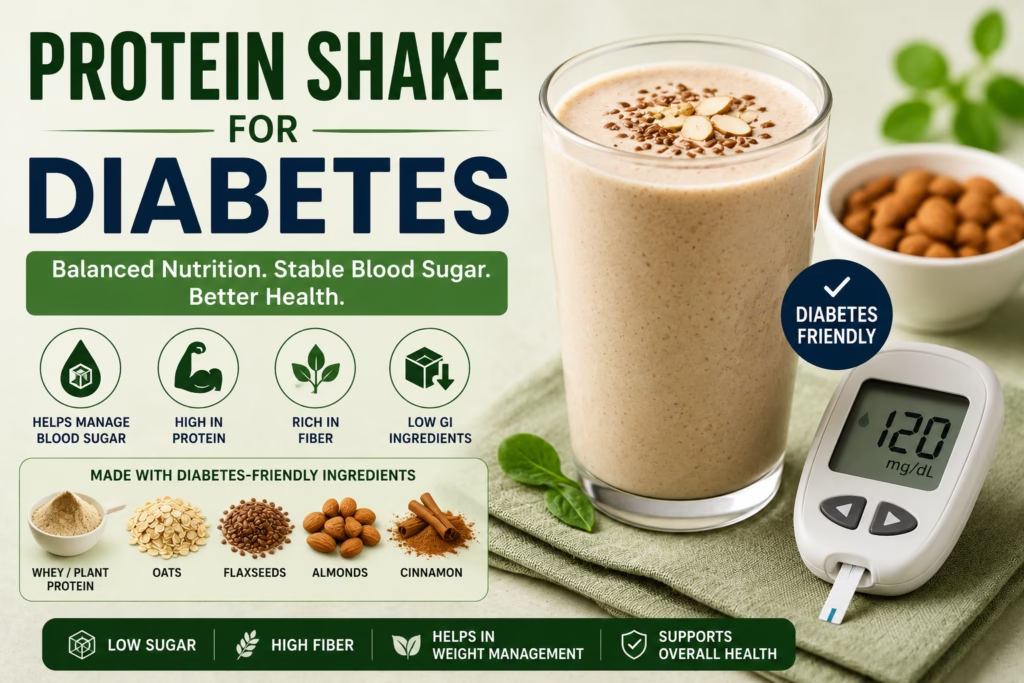

People with diabetes often wonder if protein shakes can fit into their meal plans. Protein shakes can be diabetes-friendly when they use the right ingredients and support blood sugar control with proper protein content and low sugar formulations.
These drinks offer a practical way to get nutrients while helping maintain steady glucose levels during the day.
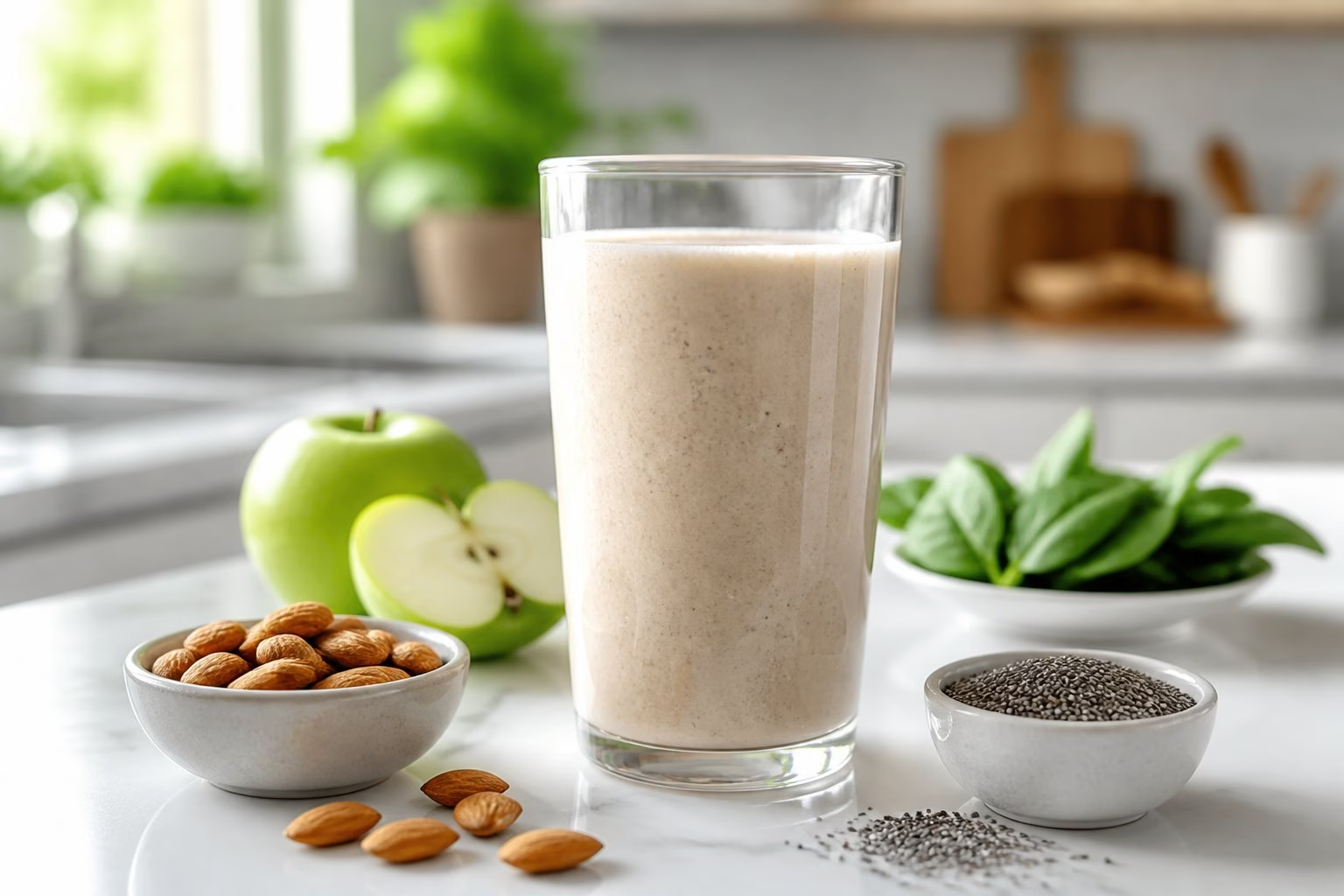
The real key for people with diabetes is picking shakes with low added sugars and plenty of protein. Protein slows down how fast sugar gets into the bloodstream.
When you combine protein with healthy fats and fiber, these shakes can become a helpful tool for blood sugar control.
Understanding which ingredients work best really makes a difference. Specialized diabetic nutrition powders come with balanced nutrients that support glucose control.
With a little know-how about protein sources, carbohydrate content, and timing, people with diabetes can safely enjoy protein shakes as part of their routine.
Key Takeaways
- Protein shakes with low sugar and high protein can help people with diabetes keep blood sugar stable.
- Adding healthy fats and fiber to protein drinks slows sugar absorption.
- Choosing the right ingredients and watching carbohydrate content makes protein shakes safe for diabetes management.
Nutritional Foundations for Diabetes-Friendly Protein Shakes
Building a diabetes-friendly protein shake starts with picking quality protein sources, smart sweeteners, and balancing nutrients to help control blood sugar and meet daily needs.
How Protein Affects Blood Sugar and Insulin Sensitivity
Protein helps manage blood glucose levels by slowing how quickly the body absorbs carbs. When people eat protein with carbohydrates, it can help prevent those sudden blood sugar spikes after meals.
Most people with diabetes need about 10-35% of their calories from protein, but it does depend on the individual. Protein doesn’t raise blood sugar like carbs do, so it’s a useful macronutrient for diabetes management.
Research suggests that getting enough protein can make the body more sensitive to insulin over time. This means insulin works better at moving glucose from the blood into cells.
Eating protein throughout the day can help keep energy steady and curb hunger between meals.
Protein causes a slower, more gradual insulin response than carbs. That steadier response helps avoid the blood sugar rollercoaster so many people with diabetes know too well.
Recommended Protein Sources and Quality Considerations
Whey protein is a popular choice because it has all the amino acids people need and the body absorbs it quickly. Whey isolate contains less lactose, so it’s easier to digest for some folks.
Plant-based proteins can be excellent alternatives:
- Pea protein gives a complete protein with fewer allergens.
- Rice protein digests easily, but pairing it with other proteins works best.
- Hemp seeds offer protein plus healthy omega-3 fats.
Plant-based blends often mix pea, rice, and other proteins to cover all amino acids. This helps make the shake more complete nutritionally.
When choosing a protein powder, it’s smart to look for at least 15-20 grams of protein per serving. Short ingredient lists and minimal fillers are ideal.
Third-party testing or certifications can help confirm product quality and purity.
The Role of Sweeteners, Fats, and Carbohydrates
Natural sweeteners like stevia add sweetness without spiking blood sugar. Artificial sweeteners are generally considered safe, but some people prefer to avoid them.
Healthy fats slow digestion and help lower the glycemic index of the shake. Adding things like:
- Flax seeds for omega-3s and fiber
- Unsweetened almond milk as a low-carb base
- Unsweetened soy milk for extra plant protein
- Coconut milk (in moderation) for creaminess
It’s okay to include small amounts of low-glycemic carbs without causing spikes. Coconut water offers electrolytes but has natural sugars, so use it sparingly.
The glycemic index shows how fast a food raises blood sugar—lower is better for diabetes. Keeping total carbs between 15-30 grams per shake usually works well.
Balancing protein, carbs, and fats creates a more complete meal replacement. This approach supports steady energy and stable glucose levels all day.
Selecting and Using Protein Shakes for Optimal Blood Sugar Control
People with diabetes should pay close attention to sugar content, protein quality, and carb count when picking protein shakes.
The right choice, plus good timing, can help keep blood sugar steady and support weight management.
Key Criteria for Evaluating Commercial and Homemade Options
Sugar content is the most important thing to check when looking at protein shakes for diabetics. Look for less than 5 grams of sugar per serving—zero added sugar is even better.
Protein should land between 15-30 grams per serving for muscle health and fullness. Whey, casein, pea, and soy proteins all give complete amino acid profiles that support blood sugar control.
Combining protein with carbs slows glucose absorption and can lead to steadier blood sugar. Low-glycemic carbs work best for keeping levels stable.
Other nutritional priorities include:
- Total carbohydrates: max 10-20 grams per serving
- Fiber: at least 3-5 grams
- Fat: 2-5 grams from healthy sources
- Artificial sweeteners: Choose shakes with little or no sugar alcohols if sensitive
Check for vitamins A, D, zinc, and antioxidants to support immunity. Skip products listing maltodextrin or corn syrup solids among the first five ingredients.
Top Ready-to-Drink and Powdered Shakes for Diabetes
Glucerna Protein Smart nutrition shakes offer 30 grams of protein and use CARBSTEADY, a blend of low-glycemic carbs made for blood sugar management. These shakes also include immune-supporting vitamins like A and D.
Premier Protein shakes give 30 grams of protein with just 1 gram of sugar per bottle. They’re a convenient pick for people who need quick nutrition between meals.
Fairlife Core Power products deliver high protein with less sugar thanks to ultrafiltration. These shakes use lactose-free milk protein and add extra vitamins.
OWYN shakes provide 20 grams of plant-based protein from pea, pumpkin seed, and flax. They’re a good choice for anyone with lactose intolerance.
Evolve plant-based shakes contain 20 grams of pea protein and 10 grams of carbs. Orgain Clean Protein offers organic, plant-based options with minimal additives.
Best Practices for Incorporating Shakes Into Your Routine
Timing makes a difference when using diabetes-friendly protein shakes. Drinking shakes between meals can help curb hunger and keep blood sugar steady.
Pairing a shake with healthy fats or fiber-rich foods boosts satiety and slows glucose absorption. Try adding a handful of nuts or half an avocado for extra nutrition.
- Morning: Replace or supplement breakfast within an hour of waking
- Mid-afternoon: Prevent blood sugar dips 3-4 hours after lunch
- Post-exercise: Support muscle recovery within 30 minutes after activity
- Evening: Light option 2-3 hours before bed if needed
It’s smart to monitor blood glucose before and after starting new protein shakes. Tracking how different brands affect you can help find the best fit for your needs.
Stick to 1-2 protein shakes daily at most. Whole foods should still provide most of your daily protein.
Strategies for Weight Management and Satiety
Best protein shakes for diabetes can help with weight management by lowering overall calorie intake and keeping muscle mass intact. The body spends more energy digesting protein than carbs, so you might notice a slight bump in your metabolic rate.
Ready-to-drink protein shakes can work as meal replacements if you stick to reasonable portion sizes. Try swapping out one meal a day for a shake with 20-30 grams of protein and keep the calories between 150-250.
Adding ice, unsweetened almond milk, or just water boosts the shake’s volume without really adding calories. Toss in some spinach, cauliflower, or zucchini for extra nutrients and a bit more fiber, which helps you feel full.
Satiety-enhancing additions:
- Chia seeds: 5 grams of fiber per tablespoon
- Psyllium husk: Expands in the stomach and helps you feel fuller
- Cinnamon: May support better insulin sensitivity
- Cocoa powder: Adds flavor without extra sugar
Drinking shakes slowly—over about 15-20 minutes—gives your brain time to register fullness. Rushing through a shake can leave you hungry later.
It’s important to keep an eye on total daily protein intake. Most experts recommend 0.8-1.2 grams of protein per kilogram of body weight, and going way over that doesn’t improve blood sugar or weight loss.
Frequently Asked Questions
People with diabetes often wonder about the right ingredients, timing, and safety of protein shakes. Knowing these details makes it easier to keep blood sugar in check while meeting nutrition needs.
Which ingredients should I prioritize in a shake to support stable blood glucose levels?
Protein should be the main building block in a diabetes-friendly shake. Whey, pea, or egg white protein powders deliver high-quality protein without loading up on carbs.
Healthy fats slow digestion and help prevent quick blood sugar spikes. Nut butters, hemp seeds, flaxseeds, chia seeds, or avocados make shakes more balanced and satisfying.
Fiber is key for blood sugar management. Ground flaxseed, chia seeds, oatmeal, or wheat bran slow down how fast sugar hits your bloodstream.
How many grams of protein per serving are generally appropriate for people managing diabetes?
Most shakes offer 15 to 30 grams of protein per serving. The right amount depends on someone’s weight, activity, and daily protein goals.
It’s best to check with a healthcare provider or dietitian to figure out personal protein needs. Shakes can be a handy way to meet those needs without messing with blood sugar too much.
What is the best time to consume a shake in relation to meals, exercise, and diabetes medications?
Protein shakes are handy after workouts, when the body needs quick nutrition. They also work as meal replacements or snacks between meals to curb hunger and keep blood sugar steady.
It’s smart to time shakes with medication and blood glucose checks. If someone takes insulin or other diabetes meds, they should count the carbs in their shake when figuring out doses.
Having a protein shake before or after exercise can help prevent low blood sugar during activity.
Which sweeteners and flavoring additives are most suitable to minimize post-meal glucose spikes?
Natural, low-calorie sweeteners like stevia or monk fruit extract won’t raise blood sugar. They add sweetness without extra carbs or calories.
Artificial sweeteners such as sucralose or aspartame are also safe for diabetes. It’s best to skip shakes with regular sugar, honey, agave, or high-fructose corn syrup.
Flavorings like vanilla extract, cinnamon, cocoa powder, or fresh herbs add taste without spiking blood sugar. Basil even brings some anti-inflammatory perks.
How can I evaluate labels for total carbohydrates, added sugars, and fiber when selecting a ready-to-drink option?
The nutrition label lists total carbs, which includes both sugar and fiber. To get net carbs, just subtract fiber from total carbs—this gives a better idea of blood sugar impact.
The best protein powders for diabetes keep added sugar low and protein quality high. Look for shakes with less than 5 grams of added sugar per serving.
More fiber is usually better for blood sugar control. Shakes with at least 3 to 5 grams of fiber per serving are a good pick.
Are there any risks or contraindications for people with kidney disease or other diabetes-related complications?
People with diabetic kidney disease really need to watch their protein intake. Too much protein can put extra strain on damaged kidneys and might speed up the disease.
Some protein sources like whey or soy may even cause blood sugar spikes for some folks. Anyone with kidney complications should definitely talk with their nephrologist and a dietitian to figure out what protein amount is actually safe.
If someone has gastroparesis or other digestive issues, they might need to tweak the shake’s texture or ingredients. People taking several medications should double-check for any possible interactions with ingredients in their shakes.