People with diabetes often ask if they can enjoy coconut water without sending their blood sugar on a rollercoaster. This tropical drink’s natural electrolytes and refreshing flavor make it popular, but the sugar content sparks legitimate concern.

People with diabetes can drink coconut water, but moderation matters. Unsweetened varieties are best, and most experts suggest a limit of 1–2 cups per day.
Coconut water contains natural sugars that do influence blood glucose, though usually less than many sweetened beverages. Choosing the right type and watching serving sizes is key.
This beverage offers some benefits for diabetic patients, including essential vitamins and minerals like potassium and magnesium. Not all coconut waters are the same, though. Sweetened and unsweetened options can make a big difference in blood sugar control.
Key Takeaways
- Diabetic patients can safely drink unsweetened coconut water in moderation—1–2 cups daily seems reasonable.
- Coconut water has a low glycemic index and typically causes smaller blood sugar shifts than most other drinks.
- Always pick fresh, unsweetened coconut water and check your blood sugar after drinking it.
Coconut Water and Blood Sugar Management
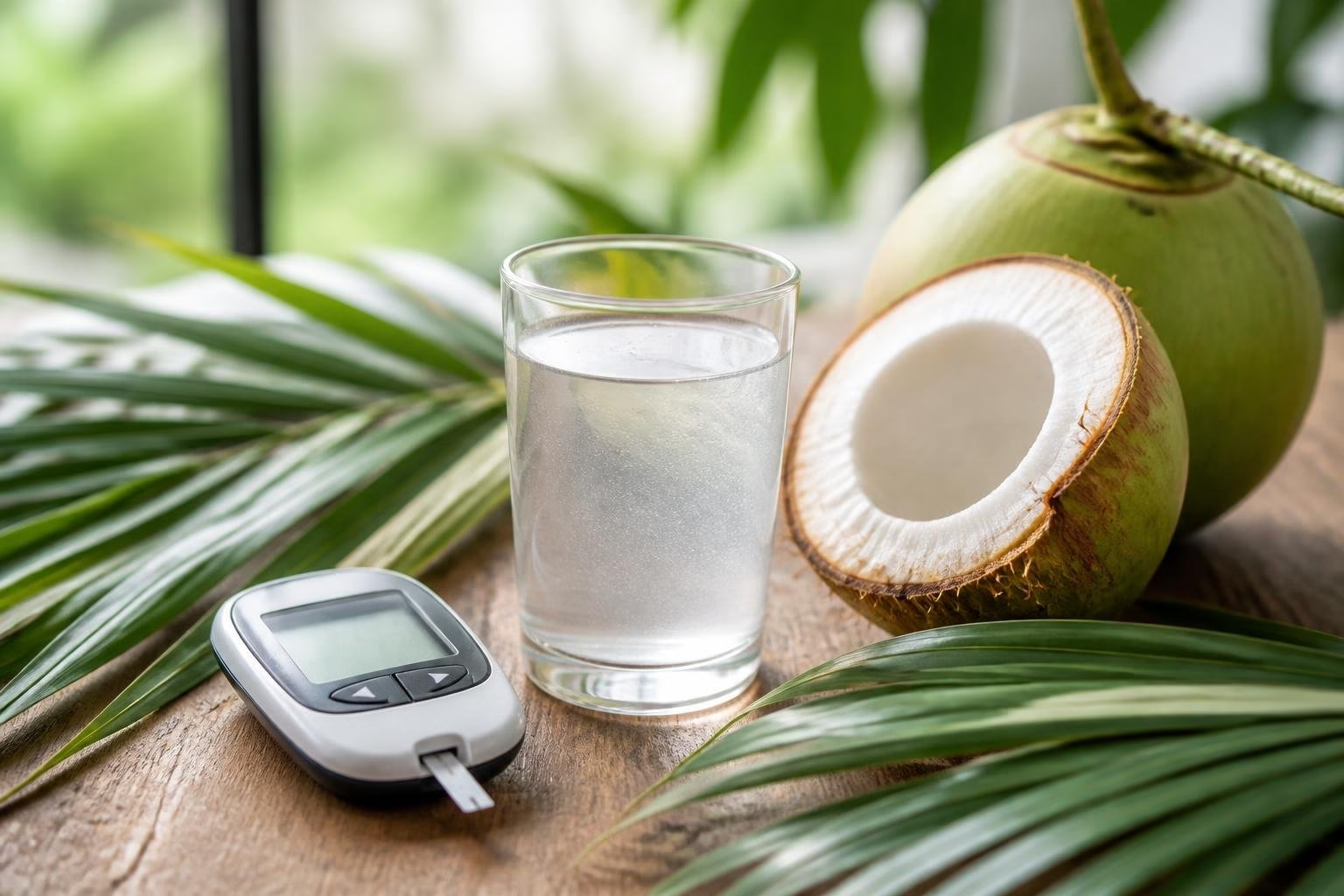
Coconut water contains natural sugars and nutrients that affect blood sugar differently than sodas or fruit juices. Knowing its nutrition and how it impacts blood sugar can help people with diabetes make better choices.
Nutritional Profile of Coconut Water
Coconut water is low in calories and provides several nutrients. One cup of unsweetened coconut water usually has 8 to 10 grams of natural sugar and a good dose of electrolytes.
The main minerals in coconut water are potassium, magnesium, and sodium. An 8-ounce glass gives about 9% of daily potassium, 24% of manganese, and 27% of vitamin C.
Sweetened coconut water packs about twice as much sugar as the unsweetened kind. That’s a big deal for blood sugar control. Fresh coconut water from young coconuts has less fat and more carbs than mature coconut water.
| Type | Sugar per 8 oz | Calories |
|---|---|---|
| Unsweetened | 8-10g | 45-50 |
| Sweetened | 16-20g | 90-100 |
Impact on Blood Sugar Levels
Coconut water does affect blood sugar because of its natural sugars, but it tends to have a softer impact than drinks with added sugar. The nutrients in coconut water may also play a role in glucose management.
Animal studies hint at possible benefits. In one study, rats who drank coconut water for 45 days had better blood sugar and A1C levels than those who didn’t. Researchers think potassium, magnesium, manganese, vitamin C, and L-arginine might help improve insulin sensitivity.
Most of these studies used mature coconut water, though. Scientists still need to figure out if regular coconut water produces the same effects in people with diabetes.
Glycemic Index and Diabetic Safety
Coconut water’s low glycemic index makes it a safer pick than many sweetened drinks for people with diabetes. The glycemic index shows how quickly foods can raise blood sugar.
The natural sugars in coconut water cause smaller blood sugar changes than large doses of added sugar. Unsweetened coconut water is a better option than sodas or fruit juices for those watching their blood sugar.
Even with a low glycemic index, portion control still matters. Coconut water contains carbs that will influence blood glucose.
Recommended Consumption Guidelines
People with diabetes should stick to unsweetened coconut water and avoid the sweetened stuff. Limiting intake to 1–2 cups per day helps keep blood sugar steady while still getting the benefits.
Checking blood sugar after drinking coconut water lets individuals see how their body responds. Everyone’s different—medications, activity, and diet all play a role.
Healthcare professionals often recommend using coconut water as a post-workout drink or blending it into smoothies, instead of drinking a lot at once.
Weighing the Benefits and Precautions

Coconut water offers some real perks for people with diabetes, but it’s important to pay attention to serving sizes and the type you buy. Knowing both the upsides and the risks helps people make smart decisions about adding this drink to their routine.
Health Benefits for Diabetic Patients
Coconut water delivers electrolytes like potassium, magnesium, and sodium—all important for those managing diabetes. High potassium, for example, helps regulate blood pressure, which matters since diabetes can raise heart risks.
It also contains antioxidants that might help lower oxidative stress linked to diabetes complications. A few studies suggest coconut water could improve insulin sensitivity, helping the body use insulin a bit more efficiently.
Fresh coconut water hydrates naturally, without artificial additives. That’s helpful for diabetic patients who are prone to dehydration, especially in hot climates.
The drink can support digestion and kidney health by helping flush out toxins. It works as a natural coolant, delivering nutrients without a heavy calorie load.
Comparing Unsweetened vs. Sweetened Coconut Water
Fresh, unsweetened coconut water usually contains 6–8 grams of natural sugars per 200ml. That sugar comes from the coconut itself, with nothing added.
Packaged sweetened versions often have extra sugar, preservatives, and artificial flavors. These additions can spike blood glucose quickly.
Key Differences:
| Type | Sugar Content | Additives | Diabetes Friendly |
|---|---|---|---|
| Fresh/Unsweetened | 6-8g per 200ml | None | Yes (in moderation) |
| Sweetened Packaged | 15-20g+ per 200ml | Sugar, preservatives | No |
People with diabetes should pick fresh coconut water or carefully check labels on packaged brands. The natural sugar in unsweetened coconut water usually has a smaller effect on blood sugar than added sugars in commercial drinks.
Risks and Situations Requiring Caution
Coconut water’s sugar content changes depending on the coconut’s age. Mature coconuts have more natural sugar than young ones.
Drinking too much—even the unsweetened kind—can lead to higher sugar intake. That might push blood glucose up if you’re not keeping an eye on portions.
Anyone with kidney issues needs to be cautious, since coconut water is high in potassium. People taking medications that affect potassium should talk to their doctor before making coconut water a regular habit.
Diabetic patients should monitor their blood sugar when they start drinking coconut water. Everyone’s body reacts differently, so it’s smart to check your own response.
Some commercial brands add sugar or make misleading health claims. Always read nutrition labels to avoid accidentally picking a high-sugar product.
Practical Tips for Including Coconut Water in a Diabetic Diet
Keep your daily coconut water intake to 100–150ml to avoid overdoing the sugar. That way, you get the benefits without a big blood sugar spike.
Best Consumption Practices:
- Pick fresh coconut water from young, tender coconuts.
- Drink it in the morning on an empty stomach for better absorption.
- Pair it with high-fiber foods like chia seeds or nuts to slow sugar absorption.
- Blend with veggies like spinach or cucumber for extra nutrients.
- Try not to drink coconut water during or right after meals.
Choose coconuts that feel heavy and sound full when you shake them. Fresh coconut water should be clear and just a little sweet—not sour.
Track your blood sugar before and after drinking coconut water. This helps you figure out your own limits and the best time to drink it.
On days you skip coconut water, consider other hydrating drinks like buttermilk or herbal teas. Mixing up your beverages can help keep nutrition balanced while managing diabetes.
Frequently Asked Questions
People with diabetes usually have questions about where coconut water fits into their meal plan and whether it’s safe to drink regularly. Knowing the sugar content, serving sizes, and possible medication interactions can help you make the best choices for your health.
How does coconut water affect blood glucose levels in people with diabetes?
Coconut water contains natural sugars and carbohydrates that can raise blood glucose levels. An 8-ounce serving usually has about 6 to 9 grams of sugar, which the body absorbs and turns into glucose.
People who are sensitive to carbohydrates should check their blood sugar after drinking coconut water to see how their body reacts. The effect depends on each person’s insulin sensitivity and overall diet.
Some people notice very little change in their blood sugar, while others see a bigger jump. Regular blood glucose monitoring can help people understand their own response.
What is the glycemic index and carbohydrate content of coconut water per serving?
Coconut water has a low to moderate glycemic index, usually between 50 and 54. This means it raises blood sugar more slowly than foods like white bread or candy.
An 8-ounce serving contains about 9 grams of carbohydrates, with around 6 grams coming from natural sugars. It also offers about 2.6 grams of fiber, which can help slow down sugar absorption a bit.
The carb count is much lower than most fruit juices. For example, orange juice contains about 26 grams of carbs per 8-ounce glass. Still, coconut water isn’t carb-free, so it needs to be included in the daily carb limit.
What portion size of coconut water is generally considered safe for someone managing diabetes?
Most health experts suggest sticking to one cup (8 ounces) of coconut water per day for people with diabetes. Some recommend starting with 4 to 6 ounces to see how the body handles it.
Keeping portions in check matters because carbs and sugars add up fast with bigger servings. Diabetic patients can enjoy coconut water daily in moderation, but tracking blood sugar afterward is smart.
The right amount really depends on things like medications, activity level, and the day’s total carb intake. Checking with a healthcare provider or dietitian can help find the best portion size for each person.
Is unsweetened coconut water a better option than flavored or sweetened varieties for blood sugar control?
Unsweetened coconut water is definitely the safer pick for people managing diabetes. Flavored and sweetened versions usually have added sugars, which can double the carbs.
People should check labels closely because some brands sneak in sweeteners, fruit juices, or artificial flavors. These extras bump up both calories and carbs beyond what’s in plain coconut water.
Choosing unsweetened coconut water helps avoid added sugars that cause quick blood glucose spikes. Pure coconut water from young coconuts contains only the natural sugars found in the fruit.
How does coconut water compare with other beverages (water, juice, sports drinks) for hydration in diabetes?
Plain water is still the best choice for hydration in people with diabetes since it has no calories, carbs, or sugars. Coconut water brings some electrolytes to the table, but also comes with carbohydrates that water doesn’t have.
Compared to fruit juices, coconut water is lower in sugar and carbs, making it a better occasional option. For example, orange juice has about 21 grams of sugar per 8 ounces, while coconut water has just 6 grams.
Sports drinks usually pack in lots of added sugars, so they’re not ideal for diabetes management. Coconut water offers natural electrolytes like potassium and magnesium without the artificial stuff, making it a reasonable middle ground between plain water and sugary sports drinks.
Can coconut water interact with diabetes medications or insulin and increase the risk of hypoglycemia?
Coconut water doesn’t directly interact with diabetes medications. Its carbohydrate content, though, does impact blood sugar levels.
People who take insulin or certain oral medications should factor in these carbs when figuring out their doses. It’s easy to overlook, but those extra carbs can sneak up on you.
The potassium in coconut water is pretty high—about 600 mg per 8 ounces. That can be an issue for folks taking ACE inhibitors or other meds that influence potassium.
Anyone with kidney disease or on a potassium-restricted diet should check with their healthcare provider before making coconut water a habit. It’s better to play it safe, especially when kidneys or meds are in the mix.
Talking with a healthcare provider before adding coconut water to the daily routine makes sense—especially for those with kidney issues or on medications that affect potassium or sodium. Regular blood sugar checks can help spot any surprises if someone decides to try coconut water as part of their diabetes meal plan.