

High blood sugar at night can seriously mess with your sleep and leave you feeling off in the morning. If you have diabetes, your glucose levels might shift while you sleep because of what you eat, when you take insulin, or just those weird hormone swings your body does.
Some folks wake up with higher numbers, while others spend the night worrying about going too low. It’s a tricky balance.
Getting what’s happening with your blood sugar overnight helps you make smarter choices during the day. If you keep things steady, you’ll probably sleep better and manage diabetes more easily the next day.
Just tracking and tweaking your routine can reveal patterns and help you get a handle on those overnight swings.
Key Takeaways
- Night time glucose changes can mess with your sleep and morning readings.
- Hormones, food, and when you take insulin are big drivers for overnight shifts.
- Tracking patterns gives you more confidence in managing diabetes.
Night time signs of elevated blood sugar

If blood sugar stays high while you sleep, your body usually lets you know—often by ruining your rest. High blood sugar at night (hyperglycemia) can break up your sleep and make you feel lousy.
Sometimes the signs only show up after you’ve gone to bed or in those weird early morning hours.
Common night time symptoms include:
- Can’t fall asleep or keep waking up
- Needing to pee a lot
- Waking up super thirsty
- Dry mouth or a dull headache
- Nausea or an upset stomach
High glucose pulls fluid from your tissues and makes you pee more, which leaves you parched and restless. It’s a classic diabetes struggle, and it can make you even more tired the next day. The connection between diabetes and sleep problems is pretty well documented.
Some symptoms aren’t just for night time—they can show up anytime, but they might feel worse at night when you can’t distract yourself.
Symptoms that can occur anytime include:
- Frequent urination and strong thirst
- Blurry vision
- Feeling confused or having trouble focusing
- Weakness or feeling short of breath
If you track your numbers before bed and right when you wake up, you’ll start to notice patterns in high blood sugar. That’s something a lot of people use to adjust their care. There’s more advice on high blood sugar at night and prevention if you want to dive deeper.
Can you safely sleep when glucose runs high?
If your blood sugar only drifts a bit high overnight, it usually isn’t an emergency. Most people get the occasional high and it’s not the end of the world. But if it keeps happening—or your numbers shoot way up—that’s when it gets risky.
| Situation | Why it matters |
|---|---|
| Frequent highs | Can damage blood vessels and nerves over time |
| Levels above ~250 mg/dL | May signal serious problems like DKA |
Very high numbers can mean something dangerous is brewing and you’ll want to act fast. You can read more about the risks and warning signs of high blood sugar at night.
Why does blood sugar go up at night?
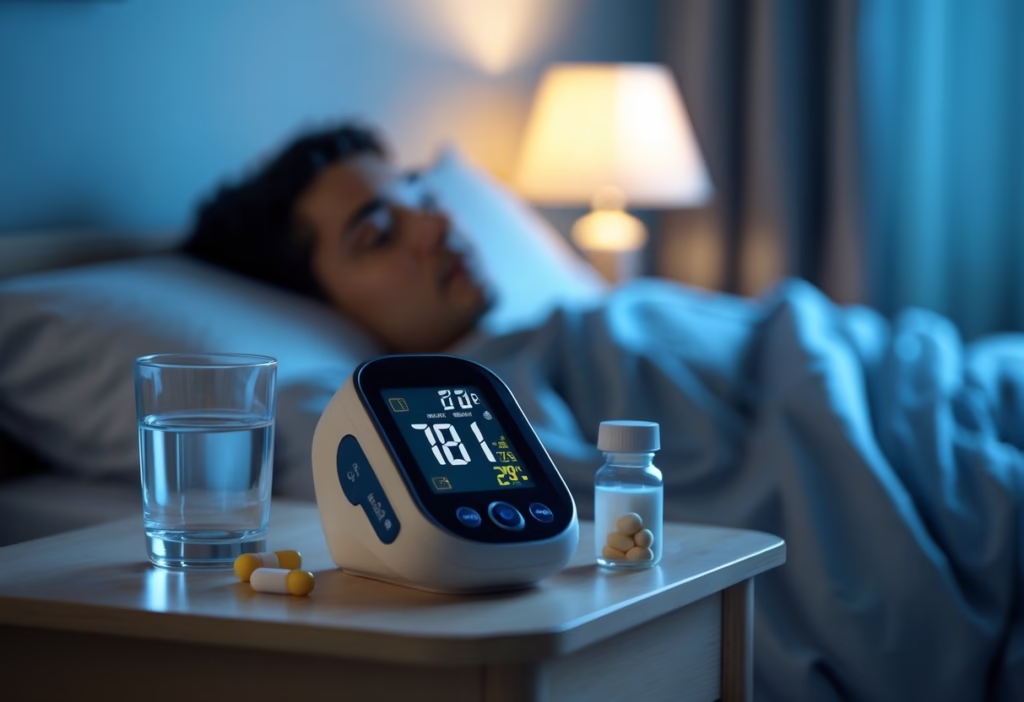
Lots of things can push your glucose higher while you’re sleeping. Sometimes it’s a mix of factors, which makes it tough to spot a single cause unless you really track things closely.
People with type 1 diabetes and type 2 diabetes might see different patterns, but honestly, there’s plenty of overlap.
Late meals and bedtime snacks can spike your glucose overnight. If you eat right before bed, your body’s still breaking down food as you try to sleep.
Meals that are heavy on carbs or fat take longer to digest, so your blood sugar keeps rising for hours. That’s why pizza or creamy pasta can haunt you long after dinner. Night time digestion is a sneaky culprit for high blood sugar at night.
Medication timing and missed doses are big factors too. If your treatment plan doesn’t cover your night time insulin needs, glucose creeps up. This happens a lot in type 2 diabetes, especially when insulin resistance goes up at night.
Skipping or taking meds late makes it worse, as you’ll see in articles about why blood sugar goes up at night.
Too little insulin overnight is another classic problem. Maybe your basal insulin wears off before morning, or your pump isn’t set quite right. Some people even lower their dose before bed to avoid going low, but that can backfire and leave you running high. This tends to show up after midnight for both type 1 and insulin-treated type 2 diabetes.
Overcorrecting a low before bed can send you in the opposite direction. Big snacks or sugary drinks might fix a low quickly, but they can easily push your glucose too high later. Smaller, measured fixes work better. It’s tempting to overdo it, though—who hasn’t done that at 2 a.m.?
Hormones released before waking are a big deal too. The dawn phenomenon kicks in when your body preps for the day. Hormones tell your liver to dump glucose for morning energy. People without diabetes make more insulin to handle the jump. If you use insulin, you might not match that need, and boom—morning highs. This explains a lot of those blood glucose spikes at night and early morning.
The Somogyi effect is a bit different. Here, your glucose drops too low while you sleep, so your body freaks out and releases stress hormones, causing a rebound high. You wake up with a high reading. This often happens after too much insulin, missed snacks, or really intense evening workouts. If you check your glucose around 2–3 a.m., you can figure out if it’s Somogyi or the dawn phenomenon.
You might spot different overnight glucose patterns like:
- High at bedtime that just stays high
- Normal at bedtime, then a rise after a few hours
- Stable all night, then a sudden jump before you wake up
Here’s a quick table matching causes to those patterns:
| Night time pattern | Likely contributors |
|---|---|
| High all night | Late meals, missed medication |
| Rise after midnight | Insulin wearing off, Somogyi effect |
| Early morning spike | Dawn phenomenon |
Stress and poor sleep don’t help either. Stress hormones can make you more insulin resistant and push your liver to release more glucose. If you don’t sleep well, your control usually gets worse. Illness, pain, or anxiety can do the same thing, unfortunately.
Tracking makes patterns clear. If you use a continuous glucose monitor, you’ll see trends you’d miss with just one bedtime check. It’s pretty eye-opening to connect food, activity, stress, and insulin to those overnight changes.
If you’re not using a CGM, just checking more often still gives you clues. Share those details with your care team—they can help you tweak doses, timing, or routines to cut down on night time highs.
How to keep your blood sugar steady overnight
You keep night time glucose in range by noticing patterns and making some changes. Check your level before bed, maybe once in the middle of the night, and again when you wake up.
A continuous glucose monitor gives you a bigger picture, showing those quiet rises after midnight that finger sticks might miss. There’s more on this in guides about high blood sugar at night.
Timing’s a big deal. Try eating dinner earlier and skip big, heavy meals late at night if you can. Lots of carbs right before bed can lower your insulin sensitivity and push your glucose up while you’re sleeping.
If you use mealtime insulin, talk with your care team about dose timing so your insulin matches when your food hits your bloodstream. It’s not always obvious, honestly.
Look at your numbers between midnight and 3 a.m. If they start climbing, maybe you need to tweak evening insulin or meds. People with an insulin pump or automated insulin system sometimes get steadier nights, since those systems make tiny corrections every few minutes. Many experts recommend those for overnight control.
Morning checks give you more clues. If your numbers look fine at bedtime and overnight but jump up when you wake, that dawn rise might be the culprit. Early-morning hormones can make you more insulin resistant. Your clinician can help you adjust basal insulin or other meds to cover that window—check out resources on managing diabetes at night for more tips.
Lifestyle stuff matters too. Poor sleep can mess up your sleep cycle and raise stress hormones. Short sleep is closely linked to sleep and diabetes struggles.
Even simple stress management tricks—like deep breathing, dimming the lights, or sticking to a bedtime—can help keep glucose steadier.
Quick checks to guide changes
- Look at bedtime, overnight, and wake-up readings together.
- Match dinner size and timing to your insulin action.
- Set CGM alerts to catch silent highs.
- Talk about trends with your healthcare team.
Smart bedtime snacks for diabetes
Some people sleep better with a small snack. Others do better without one.
Try both and let your glucose meter give you the answer. If a snack helps, keep it small and balanced to avoid those annoying spikes.
Focus on protein, fibre, and healthy fats. These slow digestion and can help with overnight swings.
If you take insulin, cover the carbs, even if you only need a tiny dose. It’s all about balance, honestly.
Better snack choices
- Nuts or seeds—a small handful adds healthy fats and protein.
- Raw veggies with a spoon of hummus or peanut butter for fibre and fats.
- Plain yogurt with a few berries or some cinnamon.
- Chia pudding made with unsweetened milk. It’s surprisingly filling.
Portion guide
| Snack type | Why it helps | Portion |
|---|---|---|
| Nuts | Healthy fats, protein | Small handful |
| Veg + dip | Fiber, steady energy | 1 cup veg + 1–2 tbsp dip |
| Yogurt | Protein, slow carbs | ½–¾ cup |
| Chia pudding | Fiber, fats | ½ cup |
Try to skip big or sugary snacks late at night. Late-night grazing usually sends blood sugar up, which is a common tip in guides on preventing high blood sugar at night.
Track what happens. Check before bed, overnight, and again in the morning to see if that snack helps or just gets in the way.
Adjust as needed—your data and goals should lead the way, not just habit.
What should your blood sugar be when you wake up?
Your morning blood glucose levels tell you a lot about how your body managed sugar overnight. Most care plans aim to keep your numbers steady from the moment you open your eyes.
Common morning targets
| Situation | Blood sugar range |
|---|---|
| Waking goal for many adults | 80–130 mg/dL |
| General daily range | 70–180 mg/dL |
The American Diabetes Association says waking up in this range supports better control during the day (see their advice on recommended morning glucose levels). If your number falls outside this range, your care plan might need a tweak.
How to lower morning blood sugar
There are some simple things you can do right after waking up to bring glucose down. Light movement helps your body use insulin better.
Even a short walk can lower levels related to the dawn phenomenon. It doesn’t have to be fancy—just get moving.
You can also look at what and when you eat. A small breakfast with fewer carbs can help avoid big spikes.
If you use insulin or diabetes meds, take the right dose as prescribed. Some folks do better after adjusting their long-acting insulin with their doctor’s help.
Helpful actions
- Do light activity soon after waking.
- Eat a low-carb breakfast.
- Try time-restricted eating plans.
- If you keep getting morning highs, review your insulin timing.
Night habits matter, too. High blood sugar at night can easily roll into the morning.
Frequently Asked Questions
Why does your blood sugar go up while you sleep?
Your blood sugar can rise at night because your body releases hormones that bump up glucose while you sleep. This usually happens in the early morning and people call it the dawn effect.
Late meals, insulin timing, or missed meds can all make things worse. Here’s a guide on why blood sugar goes up at night if you want more detail.
What steps help stop high blood sugar overnight?
You can lower the risk of night time highs by keeping a steady routine.
- Eat balanced meals earlier in the evening.
- Stay active during the day.
- Check glucose before bed.
- Adjust medication with your doctor’s help.
These ideas match what’s shared in ways to prevent high blood sugar at night.
How does eating late at night change your blood sugar?
Late-night meals, especially ones high in carbs or sugar, can push glucose up while you sleep. Your body doesn’t have much time to process food, so readings go higher overnight.
Articles on high blood sugar at night often point to late snacks as a common trigger. Makes sense, right?
What signs suggest your blood sugar is high during sleep?
You might notice things like:
- Restless or poor sleep
- Night sweats
- Frequent bathroom trips
- Waking up thirsty or just plain wiped out
These signs usually show up when glucose stays high overnight, as discussed in how high blood sugar disrupts sleep.
Can stress or sickness raise blood sugar overnight?
Absolutely. Stress hormones and illness can increase insulin resistance and push glucose higher.
Even if you eat the same foods, your readings can climb. This pattern pops up during infections or when you’re sleeping poorly, just like what’s described in blood glucose spikes at night.
What bedtime habits support better blood sugar control?
Small changes before bed can help:
- Check your glucose at the same time each night.
- Avoid sugary or heavy snacks.
- Keep a regular sleep schedule.
- Limit screens and caffeine late in the day.
If you track your night time trends—like mentioned in how to stabilize blood sugar at night—you’ll probably notice patterns over time. That makes it easier for you and your care team to tweak things safely, without guessing in the dark.