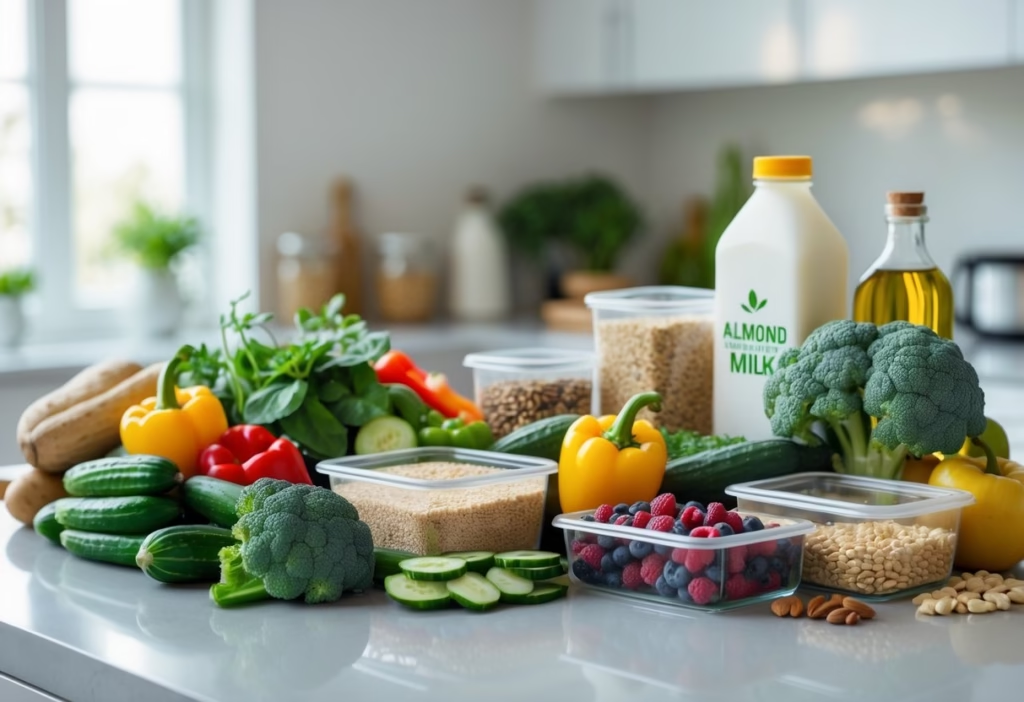

Managing diabetes really starts at the grocery store. When you know what to buy, you get more control over your blood sugar—and honestly, meal planning just feels less stressful.
A clear grocery list takes the guesswork out of shopping. It nudges you toward steady choices all week, which is a relief.
A diabetes friendly grocery list leans into whole foods—think veggies, lean proteins, healthy fats, and whole grains—while cutting back on added sugar and refined carbs.
Nutrition experts say balanced shopping supports blood sugar and long-term health. You can check out this nutritionist-approved diabetes-friendly grocery list for ideas.
You don’t need weird specialty foods or rigid rules to eat well. You just need some simple, realistic picks that fit your life, your wallet, and your routine.
This guide’s about stocking your kitchen with foods that actually help keep your energy steady and your blood sugar in check.
Key Takeaways
- A focused grocery list makes it easier to keep blood sugar stable.
- Whole foods are the backbone of balanced, diabetes-friendly meals.
- Smart shopping choices make healthy eating a lot more doable.
Building a Diabetes Friendly Grocery List
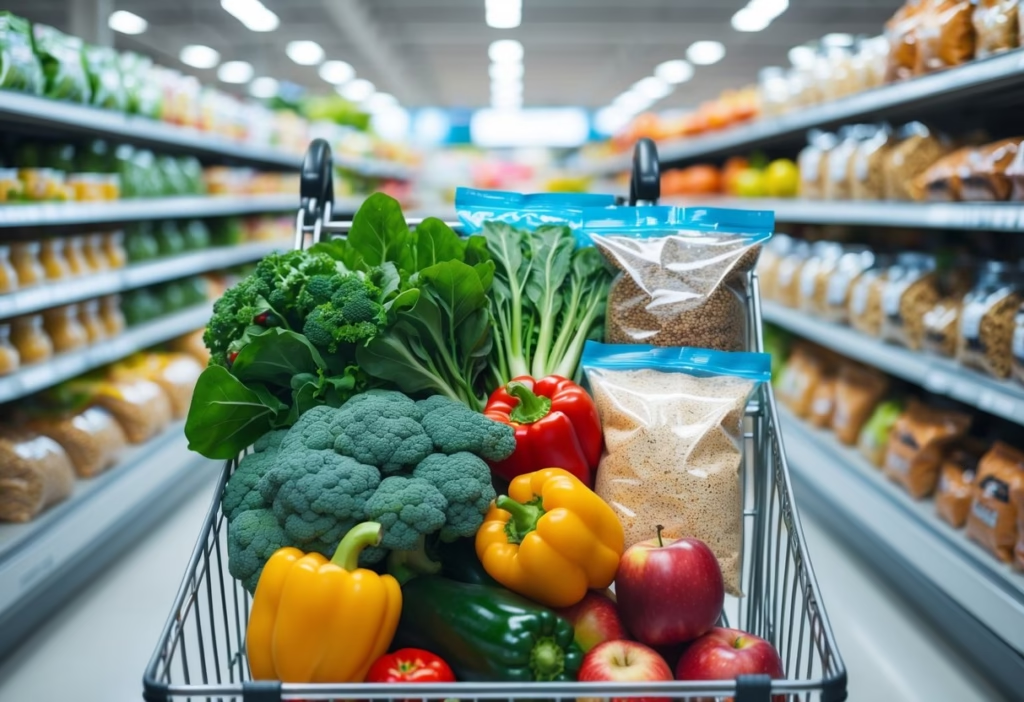
A strong grocery list helps you plan meals and manage weight. You get to pick foods with steady carbs, clear nutrition labels, and portions that work for you.
Key Principles for Grocery Shopping
Start with a diabetes-friendly grocery list that’s heavy on whole foods. Keep added sugar, refined grains, and salty foods to a minimum.
Read nutrition labels—compare servings, carbs, fiber, and sugar. It’s not always fun, but it’s worth it.
Stick to the store edges first. That’s where you’ll find the produce, lean proteins, and dairy. Plan your portions before you buy to help with portion control and blood sugar management.
Here’s a quick checklist:
- Carbs: go for whole grains with fiber
- Protein: lean meats, fish, tofu, or eggs
- Fats: nuts, seeds, and oils (just a bit)
- Sugar: skip sweet drinks and desserts
Healthline’s got more tips in their diabetes-friendly grocery list guide.
Understanding Food Groups and Their Impact
Carbs hit your blood sugar the hardest. Pick slow-digesting carbs like whole grains and beans.
Limit starchy veggies and balance them with non-starchy ones. Protein helps keep blood sugar steady when you eat it with carbs.
Lean chicken, fish, beans, and tofu all work. Fats help you feel full, but watch your portions if you’re managing weight.
Here’s a simple table for quick reference:
| Food Group | Better Choices | Limit |
|---|---|---|
| Fruits | Berries, apples | Fruit juice |
| Veggies | Leafy greens | Fries |
| Grains | Brown rice | White bread |
| Dairy | Unsweetened yogurt | Sweetened milk |
Good Housekeeping has a dietitian-backed grocery list if you want more ideas.
Meal Planning and Preparation
Planning meals before shopping helps you avoid those tempting impulse buys. Try to fill half your plate with veggies, a quarter with protein, and a quarter with carbs.
This plate method works for type 2 diabetes and keeps your energy more stable. Batch cooking is a lifesaver—it saves time and keeps your choices on track.
Prepping proteins and chopping veggies ahead of time just makes the week easier. Store snacks in measured portions so you don’t accidentally overdo it.
If you’re feeling lost, a registered dietitian can help. They’ll tailor a diabetic grocery list to your tastes, schedule, and even your meds.
Essential Foods for Stable Blood Sugar

You can support steady blood glucose by picking foods that digest slowly and bring in fiber, protein, and important nutrients. Grocery shopping gets easier when you focus on vegetables, lean proteins, lower-glycemic fruits, and whole grains that help you dodge those sharp spikes.
Non-Starchy Vegetables
Non-starchy veggies are the backbone of a diabetes friendly grocery list. They bring fiber, vitamins, and bulk without messing with your blood sugar much.
Good picks? Broccoli, spinach, asparagus, peppers, cucumbers, and leafy greens. Fresh is great, but frozen vegetables work too, and they last longer.
Just make sure you grab the plain frozen bags—skip the ones with sauces or extra salt. Try to fill at least half your plate with these veggies at meals.
Fiber slows digestion and helps you feel full. This approach supports stable blood sugar without forcing tiny portions.
Health experts often call out veggies as a must for a diabetes-friendly grocery list.
Lean Proteins and Protein Sources
Lean proteins help you stay full and keep blood glucose from swinging after meals. Focus on chicken breast, turkey breast, eggs, salmon, tofu, and beans.
Plant proteins like lentils, chickpeas, black beans, and kidney beans give you fiber, too, which slows down carbs. For dairy, go for Greek yogurt or low-fat cottage cheese to get protein without a lot of carbs.
Try to include a clear protein source at every meal. Mixing up animal and plant proteins keeps things interesting and covers your nutrition bases.
Keep portions reasonable and steer clear of breaded or fried options—they’re just not worth the spike.
Low-Glycemic Fruits
Fruit isn’t off-limits, but it’s smart to pick ones with a lower glycemic index. Berries, apples, and citrus fruits digest slower and have helpful fiber.
Whole fruit’s always better than juice. That fiber slows down blood sugar jumps.
Pair fruit with protein, like Greek yogurt or nuts, to slow digestion even more. Keep an eye on portions—one small apple or a cup of berries usually works for most meal plans.
Sticking with these kinds of fruits adds flavor and variety without the sugar rollercoaster.
Whole Grains and High-Fiber Carbs
Whole grains give you energy and support blood glucose control, especially if you pick high-fiber ones. Look for brown rice, quinoa, oats, wild rice, and whole-grain bread made from whole wheat.
Fiber’s more important than marketing buzzwords—check labels and aim for at least 3 grams of fiber per serving. Whole grain cereal can work if it’s low in added sugar.
Keep portions in check and don’t go overboard on refined grains. Balance whole grains with lean protein and non-starchy veggies for a slower, steadier digestion—dietitians swear by this combo.
Healthy Fats, Dairy, and Diabetes-Friendly Alternatives
You’ll manage blood sugar better if you pick the right fats and dairy. Unsaturated fats are your friend, while saturated fats and sugary dairy options are best left on the shelf.
Choosing Healthy Fats
Healthy fats support your heart and help you feel full without spiking blood sugar. Go for foods high in unsaturated fats—there’s a good guide on good and bad fats for diabetes if you want details.
Smart fat choices:
- Avocado, olive oil, and avocado oil for cooking or dressings
- Nuts like walnuts and almonds for snacks or salads
- Nut butters (almond or peanut butter) with no added sugar
- Flaxseeds and chia seeds for fiber and omega-3s
Stick to small amounts—healthy fats still pack calories. Skip foods loaded with butter, cream, and fried oils; they just add saturated fat and extra calories.
Smart Dairy and Dairy Substitutes
Dairy can fit into your grocery list if you pick low-sugar options. Greek yogurt and cottage cheese are good for protein without a carb overload, especially if you stick to plain versions.
Lots of people go for dairy alternatives. Unsweetened versions help you limit added sugar and keep blood sugar steadier.
A diabetes-friendly food list from EatingWell highlights these kinds of choices.
Better dairy options:
- Plain Greek yogurt or cottage cheese
- Unsweetened almond milk instead of sweetened milk
- Soy milk with no added sugar
Always check labels for hidden sugars and serving sizes. Fortified dairy alternatives can give you calcium and vitamin D, too—worth a look if you’re skipping regular milk.
Smart Shopping Strategies for a Diabetes-Friendly Diet
Making smart grocery choices really helps you manage blood sugar and stick to a healthy diet.
Pay attention to nutrition labels, keep an eye on portion sizes, and think about food quality. This way, you can cut back on added sugars, avoid refined carbs, and pick foods that actually fit your routine.
Reading Nutrition Labels and Avoiding Added Sugars
Always check nutrition labels before tossing anything in your cart. Start with added sugars—not total sugars—because plenty of foods have natural sugar.
Even if something says no added sugar, double-check the label just in case. Hidden sugars sneak in as corn syrup, dextrose, or cane juice, and these can spike your blood sugar before you know it.
Try this quick label check:
- Added sugars: keep it between 0–5 grams per serving
- Fiber: aim for 3 grams or more
- Sodium: go for low-sodium when you can
Labels can make shopping for diabetes a lot less stressful if you use them every time. Comparing similar items side by side is honestly a game changer.
Portion Control and Managing Carbs
Controlling portion size and total carbs helps you manage blood sugar. Even healthy foods can mess with your numbers if you eat too much.
The plate method can make meal planning and shopping a lot easier. Try to fill your cart with foods that match this balance:
- Half your plate: non-starchy veggies
- One quarter: lean protein
- One quarter: whole grains or other starchy foods
Refined carbs like white bread, pastries, and sweet snacks? Best to leave those on the shelf. They digest fast and send your blood sugar on a rollercoaster.
The CDC has a good breakdown of how carb counting and portion control support blood sugar control at https://www.cdc.gov/diabetes/healthy-eating/diabetes-meal-planning.html.
Pairing carbs with protein and water? That slows digestion and can help your blood sugar stay steadier.
Choosing Minimally Processed Foods
Going for whole foods over processed ones just makes sense. Fresh produce, plain dairy, beans, nuts, and whole grains give you steady energy without sneaky sugars.
Processed meats like sausages, hot dogs, and deli meats usually come loaded with added sugars, refined carbs, and way too much sodium.
Stick to the outer aisles of the store if you can. That’s where you’ll find most diabetes-friendly foods, like:
- Fresh veggies and fruit
- Eggs, fish, and lean meats
- Unsweetened yogurt and milk
The American Diabetes Association points out that choosing quality carbohydrates and whole foods supports blood sugar control at https://diabetes.org/food-nutrition.
Foods close to their natural form and swapping sweetened drinks for water? Can’t really go wrong there.
Frequently Asked Questions
Managing blood sugar gets easier when you choose foods high in fiber, low in added sugar, and packed with healthy fats. Reading labels and picking smart snacks helps keep your meals on track, too.
What foods should be included in a high-fiber, low-sugar diet for diabetes management?
Focus on non-starchy veggies, beans, lentils, and whole grains that haven’t been messed with much. These slow down digestion and help keep blood sugar from jumping around.
Broccoli, spinach, black beans, and oats pop up a lot on a diabetes-friendly grocery list since they have fiber without the extra sugar.
Can you recommend heart-healthy fats that are suitable for someone with diabetes?
Go for unsaturated fats—they’re good for your heart and don’t mess with blood sugar. Olive oil, nuts, seeds, and fatty fish are solid choices.
Lots of nutrition experts add these to a dietitian-approved diabetic grocery list because they help you swap out saturated fats from processed foods.
What are the best low-glycemic fruits and vegetables for a diabetic diet?
Pick fruits with more fiber and less natural sugar per serving. Berries, apples, and pears work well—just eat them whole, not juiced.
Non-starchy veggies like zucchini, cauliflower, peppers, and leafy greens make regular appearances in expert lists like this diabetic grocery list of blood sugar-friendly foods.
Which whole grains are recommended for maintaining stable blood glucose levels?
Look for whole grains listed first in the ingredients and at least three grams of fiber per serving. Quinoa, steel-cut oats, barley, and brown rice are all solid picks.
Guides like the Healthline diabetes-friendly grocery guide highlight these grains for steady energy and easier portion control.
How can I identify ‘hidden sugars’ in processed foods when shopping for groceries?
Check the ingredient list for sneaky sugars like cane sugar, syrup, or fruit juice concentrate. If sugar’s one of the first few ingredients, it’s probably not worth it.
Shopping guides such as this diabetes grocery list with shopping tips always say to read the label, not just the front of the package.
What are some diabetes-friendly snack options for between meals?
Try snacks that mix protein or healthy fat with fiber—this combo helps keep your blood sugar steady. For example, Greek yogurt, a handful of nuts, hummus with crunchy veggies, or even a simple boiled egg can work well.
If you want more ideas, check out this essential diabetic grocery list. These snacks show up often because they’re filling, and you can portion them out without much hassle.