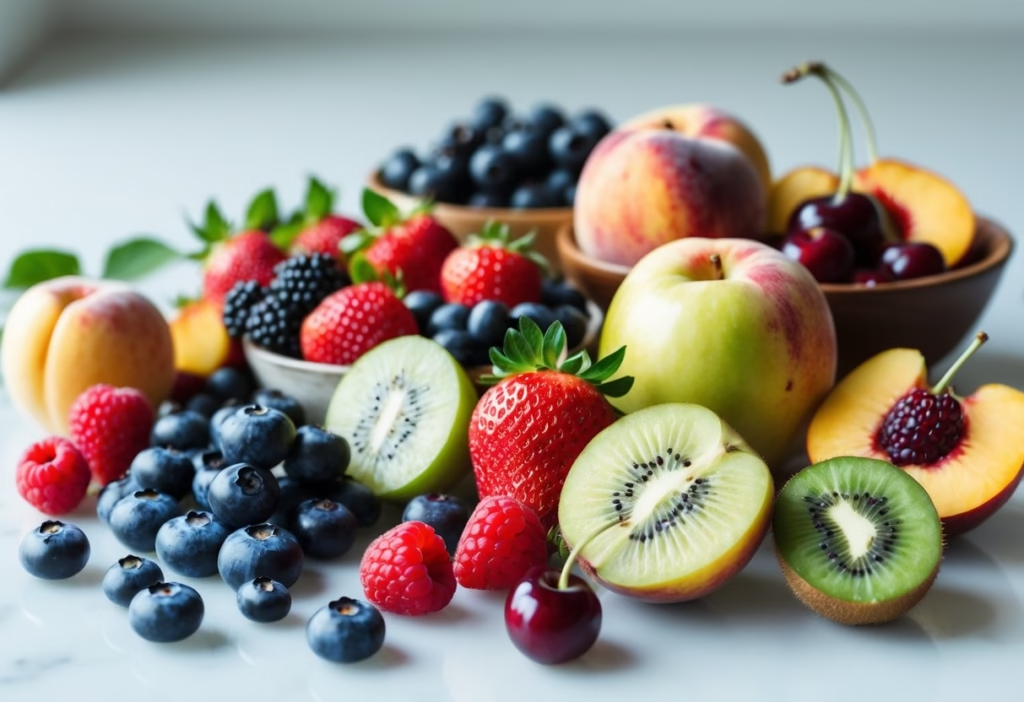

You really can enjoy fruit and manage blood sugar at the same time. No need to ban fruit from your life just because you have diabetes.
The best fruits for diabetics are whole, fresh, and low on the glycemic index. Go for options high in fiber, like berries, apples, citrus, and pears.
Fruit does affect blood sugar, but fiber slows digestion and helps prevent those annoying spikes. That balance means you get natural sweetness with more steady energy and better control.
Choosing the right fruit and portion size actually changes how you feel after eating. It’s not rocket science, just a little know-how and practice.
This guide highlights which fruits support healthy blood sugar and which ones you might want to limit. You’ll see how to fit fruit into daily meals without ditching the foods you love.
Key Takeaways
- Some fruits help keep blood sugar steady if you pick whole and fresh options.
- Portion size and timing matter just as much as the type of fruit you eat.
- Fruit brings fiber, vitamins, and nutrients that support overall health.
How Fruits Affect Blood Sugar and Diabetes Management
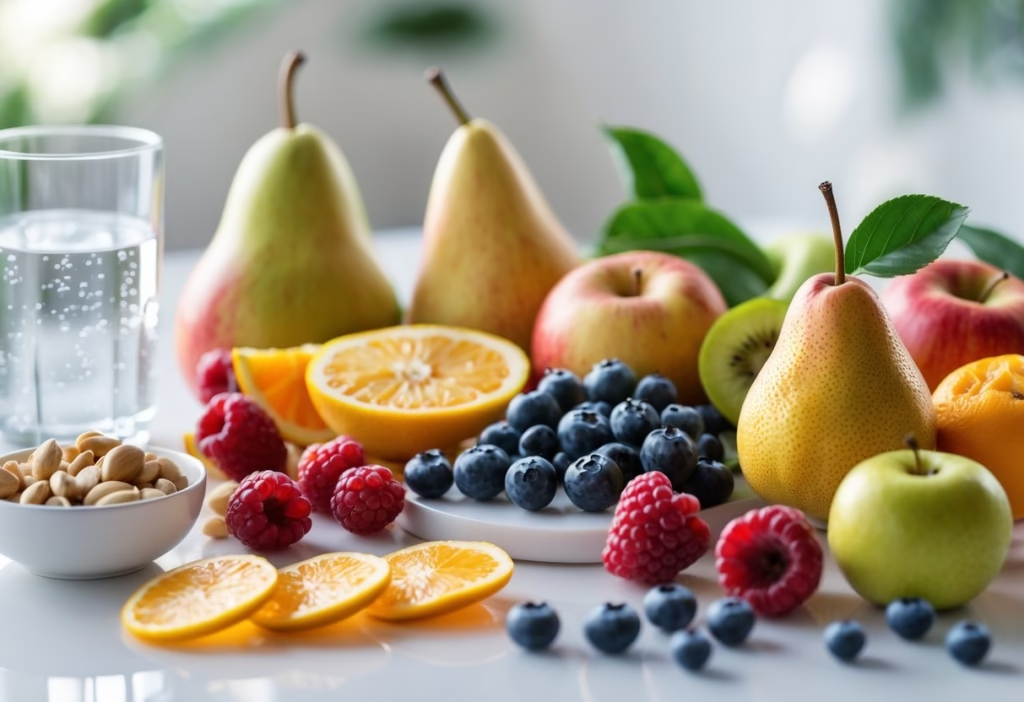
Fruit contains natural sugar, but it also packs fiber, water, and nutrients. These things shape how your body handles glucose.
The type of fruit, how much you eat, and the form you choose all play a role in blood sugar and diabetes management. It’s not just about “fruit is sugar”—the details matter.
Role of Fiber in Blood Sugar Control
Fiber directly helps with blood sugar control. When you eat foods high in fiber, digestion slows down.
This delay means glucose enters your bloodstream at a steadier pace, making it easier to avoid blood sugar spikes. Whole fruits like apples, berries, and pears contain both soluble and insoluble fiber.
Soluble fiber, in particular, slows how fast sugar gets absorbed. That’s key for keeping post-meal blood sugar in check.
Fiber also helps with portion control because fiber-rich fruits fill you up faster. You might end up eating less overall, which can help with weight and, over time, better glucose control.
Fresh and frozen fruits usually keep their fiber. Dried fruits still have some, but their small size makes it easy to overdo it.
For more on fiber-rich fruit choices, check out this overview of the best fruits for diabetes and fiber benefits.
Understanding Glycemic Index and Glycemic Load
The glycemic index (GI) shows how fast a food raises blood sugar. Low GI fruits—like cherries, apples, and strawberries—raise blood sugar more slowly.
Glycemic load (GL) combines GI with portion size, giving you a more realistic picture. Sometimes a food has a moderate GI but, in a small portion, won’t move your blood sugar much.
Use both GI and GL to guide your choices. Stick with low to moderate GL fruits and keep serving sizes consistent. This way, you don’t have to cut out fruit to keep your glucose steady.
Harvard Health has a good explainer on blood sugar-friendly fruit choices using GI and GL.
Difference Between Whole Fruits and Fruit Juices
Whole fruits and juice act differently in your body. Whole fruits have fiber, which slows digestion and helps avoid blood sugar spikes.
Chewing fruit helps you feel full and makes it easier to control portions. Fruit juices, on the other hand, lose most of that fiber. Even 100% juice delivers sugar to your bloodstream fast—much faster than whole fruit.
Your body absorbs liquid sugar in a flash, which can make blood sugar control harder. Regularly drinking juice (even without added sugar) just isn’t as helpful as eating fresh or frozen fruit.
The American Diabetes Association explains why whole fruit is better than juice for diabetes-friendly fruit choices.
Top Low Glycemic Fruits for Diabetics
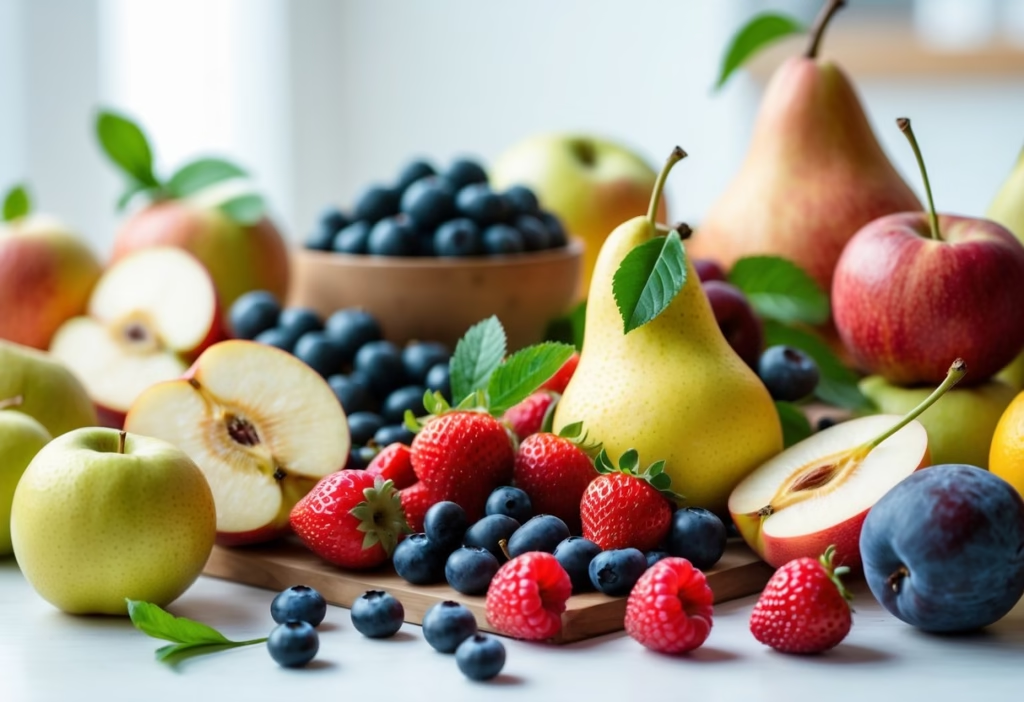
Low glycemic fruits help you manage blood sugar by slowing digestion and reducing those sharp glucose jumps. They also bring fiber, vitamin C, and plant compounds that support insulin sensitivity.
Berries: Strawberries, Blueberries, Raspberries, and Blackberries
Berries are top picks for low GI fruits. They have less sugar per serving and more fiber than most fruits.
Strawberries, blueberries, raspberries, and blackberries deliver antioxidants like anthocyanins and polyphenols, which are good for blood vessel health.
Raspberries and blackberries especially shine for fiber, slowing sugar absorption. Blueberries and strawberries pack a punch of vitamin C without causing big glucose jumps—just keep portions in check.
Eat berries fresh or frozen, but skip added sugar. Pair them with protein or plain yogurt for even steadier blood sugar.
Health experts often name berries among the best fruits for diabetes management.
Apples, Pears, and Plums
Apples, pears, and plums give you steady energy thanks to their fiber and low-to-moderate glycemic impact. Their skins are loaded with pectin, a fiber that slows digestion and helps keep blood sugar stable.
Apples and pears make great snacks—they’re filling and take time to digest. Plums have a smaller serving size, making it easier to control carbs but still enjoy something sweet.
Stick with whole fruit, not juice. Chewing slows down sugar release and helps with control. Nutrition guides often highlight these as reliable low glycemic fruits for people with diabetes.
Citrus Fruits: Oranges, Grapefruit, Lemons, and Tangerines
Citrus fruits bring vitamin C, water, and fiber, all with a low glycemic load. Oranges, grapefruit, lemons, and tangerines digest more slowly than juice because they keep their fiber.
Whole oranges and tangerines are better for blood sugar control than juice. Grapefruit is low GI, but it can mess with some medications, so maybe check with your doctor first.
Lemons give you flavor with almost no sugar. Squeeze lemon juice on food without worrying about your glucose. Lots of diabetes guides put citrus on the list of smart low GI fruit options.
Cherries, Peaches, Kiwi, and Avocado
Cherries have a low glycemic index and supply anthocyanins that might help insulin do its job. Keep servings small, though—they still have natural sugar.
Peaches and kiwi are packed with vitamin C and fiber, and their carb levels are pretty moderate. Kiwi is a bit higher in sugar than berries, but its fiber keeps absorption slow if you just eat one at a time.
Avocado is in a league of its own. It’s low in carbs and full of healthy fats, so it won’t spike blood sugar. A lot of lists of diabetic-friendly fruits include avocado because it keeps you full without raising glucose.
Fruits to Enjoy in Moderation
Some fruits bump up blood sugar faster since they’re higher in natural sugar or lower in fiber. You don’t have to avoid them, just watch your portions, spread them out, and maybe pair with protein or fat.
Bananas, Mangoes, and Grapes
Bananas, mangoes, and grapes are high glycemic fruits if you eat big servings. A ripe banana or a cup of grapes can push your blood sugar up faster than berries since they have more carbs per bite.
Stick to small portions—try half a banana, ½ cup of mango, or about 15 grapes. Eating them with nuts, yogurt, or nut butter slows things down.
Research shows that whole fruit can still fit into a diabetes-friendly plan if you control portions and pay attention to your body’s response.
Harvard Health notes that fiber in whole fruit slows sugar absorption—even in sweeter fruits like bananas and mangoes—when you eat them in moderation and space them out. Read more about blood sugar-friendly fruits for people with diabetes.
Melons: Watermelon, Cantaloupe, Honeydew
Watermelon, cantaloupe, and honeydew melon are super hydrating but have less fiber than most fruits. That means they can bump up blood sugar quickly, especially if you eat them on their own.
Keep servings small—1 cup or less is a good target. Pairing melon with cheese, cottage cheese, or nuts helps slow the glucose rise.
Melons can still add variety and hydration to your meals. Portion control and timing make all the difference. The American Diabetes Association says fresh fruit without added sugar, including melons, fits into your meal plan if you count carbs and skip oversized servings. Check out more on best fruit choices for diabetes.
Dried Fruits and Fruit Juices
Dried fruits like dates, figs, raisins, prunes, and dried apricots cram a surprising amount of sugar into tiny bites. The drying process takes out water, but not carbs—so it’s way too easy to eat more than you meant to.
Stick to 2 tablespoons to ¼ cup of dried fruit. Try to eat it with a meal, not as a solo snack. Whole dried fruit is better than fruit juice because you still get at least a little fiber.
Fruit juices—even the 100% stuff—shoot your blood sugar up fast since they’re missing fiber. Just one small glass might have as much sugar as several pieces of fruit. Most experts say you’re better off with whole fruit instead of juice if you want steadier blood sugar. WebMD breaks down how juice affects blood glucose differently than whole fruit for people with diabetes—check their details here.
Optimal Ways to Include Fruit in a Diabetic Diet
Fruit can absolutely be part of your routine if you’re aiming for steady blood sugar. Picking smart portions, pairing wisely, and choosing the right forms all help with glucose control and nutrition.
The Importance of Portion Control
Fruit has natural sugar, so portion control is a big deal for glucose. Eating a heap of fruit—even the low glycemic kind—can still push your blood sugar up.
A standard serving is usually one small whole fruit, ½ cup of cut fruit, or ¾ cup of berries. It helps to measure at home until you get the hang of it.
Low glycemic fruits like apples, berries, and citrus don’t spike blood sugar as quickly, according to GoodRx. Still, you’ll want to spread fruit out through the day to dodge any spikes.
Pairing Fruits with Protein or Healthy Fats
When you pair fruit with protein or healthy fats, you slow down digestion and help your blood sugar stay more stable. This combo keeps sugar from hitting your bloodstream all at once.
Some go-to pairings:
- Apple slices with peanut butter
- Berries with plain Greek yogurt
- Orange segments with a handful of nuts
Experts point out that pairing fruit with protein can really help limit blood sugar swings. Here’s a more detailed look at fruit pairings that work.
Try not to eat fruit with refined carbs like white bread or pastries. That combo just sends your blood sugar soaring and cancels out the benefits of fruit.
Choosing Fresh, Frozen, or Canned Fruit
You can use fresh, frozen, or canned fruit and still keep blood sugar in check. The key? Avoid added sugars.
Fresh fruit gives you natural fiber and a texture that slows things down. Frozen fruit is handy for smoothies or tossing in yogurt, and it keeps its nutrients if there’s no sugar added.
If you go for canned fruit, pick the ones marked unsweetened or packed in juice. Diabetes organizations back this up—see their advice on fruit options without added sugar.
Skip fruit packed in syrup. Those just spike your blood sugar and sneak in extra carbs you don’t need.
Nutrition Benefits of Fruit for People With Diabetes
Fruit brings important nutrients that help with blood sugar management and long-term health. Many fruits offer fiber, antioxidants, and plant compounds that protect your heart and help your body use insulin better.
Vitamins, Minerals, and Antioxidant Properties
Fruit gives you vitamins and minerals your body needs every day. A bunch of fruits, like citrus, strawberries, and kiwi, are loaded with vitamin C, which helps your immune system and blood vessels without piling on the calories.
Fruits also have antioxidants that shield your cells from the damage high blood sugar can cause. Berries are especially good—they’re rich in anthocyanins, the pigments that give them their deep color. These help knock down inflammation and oxidative stress. Apples, grapes, and citrus bring polyphenols to the table, supporting cell health and possibly helping with glucose control.
I’d stick to whole fruits over juice to get these nutrients without sending blood sugar through the roof.
Support for Heart and Digestive Health
Fiber is huge when it comes to diabetes-friendly fruit. Many fruits have soluble fiber, like pectin, that slows digestion and keeps blood sugar steadier after you eat. Apples, pears, citrus, and berries are good sources.
Fiber also helps your heart by lowering LDL cholesterol. That’s pretty important since diabetes bumps up your risk for heart disease. More fiber can help with blood pressure and keep blood vessels healthier, too.
And let’s not forget your gut. Fiber feeds the good bacteria and keeps things moving. Groups like Harvard Health point out that blood sugar–friendly fruits usually mix fiber with a low to moderate glycemic impact, fitting easily into most meal plans.
Fruits and Insulin Sensitivity
Certain fruits might even help your body respond to insulin better. This benefit comes from fiber and plant compounds, not just sugar content. The Cleveland Clinic highlights apples, berries, cherries, and citrus fruits as low glycemic picks for diabetes.
Polyphenols in fruit seem to help your cells take in glucose, boosting insulin sensitivity. Berries and grapes are especially good for this because they’re packed with polyphenols.
Keep portions in check, though. Eating whole fruit with some protein or healthy fat can blunt blood sugar spikes. The American Diabetes Association says fresh, frozen, or canned fruit—so long as there’s no added sugar—fits well in a balanced diabetes plan.
Frequently Asked Questions
Fruit can fit into a diabetes-friendly diet if you pick the right types and watch your portions. Your blood sugar response depends on the fiber, how processed the fruit is, and how much you eat at once.
What fruits have the lowest impact on blood sugar levels?
Fruits with a low glycemic index raise blood sugar more slowly. Think apples, cherries, berries, and oranges.
Fresh and frozen whole fruits work best since they keep their natural fiber. That fiber slows digestion and helps you avoid sharp blood sugar jumps. The Cleveland Clinic lays it out in their guide to best fruits for diabetes.
Are there any fruits that a diabetic should avoid entirely?
No fruit is totally off-limits. Some just raise blood sugar faster and need tighter portion control.
Fruit juice, dried fruit, and canned fruit in syrup act a lot like added sugar. Harvard Health suggests cutting back on these to avoid quick blood glucose spikes, as explained here: blood sugar-friendly fruits.
How does fruit consumption affect blood glucose control?
Fruit has carbs that your body turns into glucose. The fiber in whole fruit slows this down and helps keep blood sugar steady.
Eating fruit with meals or alongside protein helps reduce spikes. The American Diabetes Association covers this in their tips for smart fruit choices for diabetes.
Can eating fruit help with managing diabetes complications?
Fruit gives you vitamins, minerals, and antioxidants that are good for your heart and blood vessels. That’s important since diabetes ups your risk for heart disease.
WebMD has more on how nutrient-rich fruits support health in their review of fruits recommended for diabetes. The key is eating fruit regularly and sticking to reasonable portions.
What is the glycemic index of common fruits recommended for diabetics?
Low-glycemic fruits usually have a score of 50 or less. Some good examples: strawberries, blueberries, apples, pears, and cherries.
Everyday Health lists these when talking about fruits that are good for people with diabetes. You can still have higher-glycemic fruits, but keep the portions small.
How much fruit is safe for a person with diabetes to consume daily?
Most guidelines put the sweet spot at about two fruit servings per day as part of a balanced plan.
One serving usually means a small piece of whole fruit, or maybe a cup of berries if that’s what you have on hand.
If you space fruit out over the day, you can help avoid those annoying blood sugar spikes.
Verywell Health shares some portion tips in their article on fruit you can eat if you have diabetes.