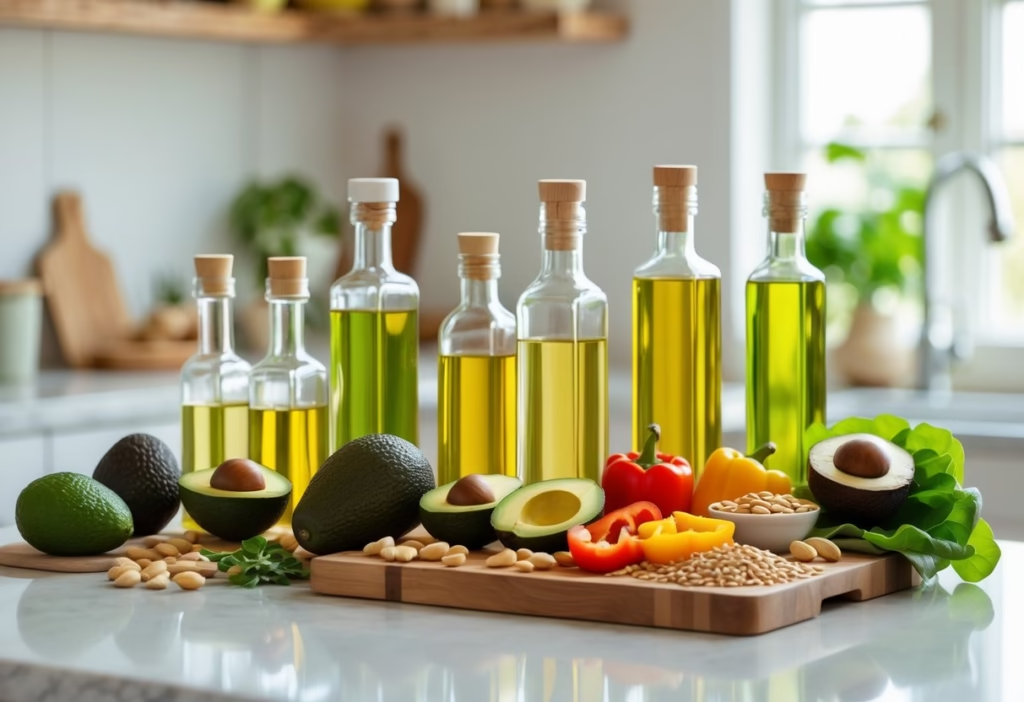

Managing diabetes means every food choice counts—even the oil you reach for. The right oil can help keep blood sugar steady and protect your heart.
The wrong oil, though, can make things tougher. Knowing which ones help and which ones don’t gives you a little more control in the kitchen.
Extra virgin olive oil and avocado oil are the best cooking oils for diabetes because they support heart health and do not raise blood sugar. These oils bring healthy fats to your table and work well for daily meals if you use them the right way.
Choosing wisely can make cooking feel simpler and a lot more confident. You don’t have to give up flavor or flexibility to eat well with diabetes.
A few smart oil choices can make your meals work harder for your health. This guide breaks it down so you can cook with purpose—and maybe a bit more ease.
Key Takeaways
- Healthy oils can support blood sugar control and heart health.
- Some oils work better for high heat, while others suit low heat.
- Simple swaps in the kitchen can support daily diabetes care.
Key Criteria for Choosing Cooking Oils for Diabetes

When you’re picking cooking oils for diabetes, focus on the type of fat, how processed the oil is, and how it affects cholesterol. Oils with healthy fats can help with blood sugar control, while others just add to inflammation and LDL cholesterol.
Monounsaturated and Polyunsaturated Fats Explained
Monounsaturated fats and polyunsaturated fats play a big role in diabetes care. You’ll find these healthy fats in oils like olive, avocado, flaxseed, and some seed-based oils.
Research links monounsaturated fats to better cholesterol balance, especially lower LDL cholesterol, which is a win for heart health if you’ve got type 2 diabetes.
Polyunsaturated fats include omega-3 and omega-6 fatty acids. Omega-3s help reduce inflammation and support your heart—a big deal, since diabetes bumps up your risk for heart disease.
Omega-6 fats are essential too, but you should keep them balanced with omega-3s. Many diabetes guides stress picking oils rich in these fats, like those in best cooking oils for people with diabetes.
Understanding the Impact of Fats on Blood Sugar and Heart Health
The type of fat you eat does more than add calories. Healthy fats slow down digestion, which can help keep blood sugar from spiking after you eat.
They also affect cholesterol. Diets with more monounsaturated and omega-3 fats often show better HDL cholesterol and lower LDL cholesterol. That means less strain on your heart and blood vessels.
People with diabetes face a higher risk of heart disease, so most healthcare providers suggest oils that support heart health. Guides like choosing the right cooking oil for diabetes management lay out how oil choice fits into long-term care with medication and lifestyle changes.
Saturated Fats, Trans Fats, and Oils to Limit or Avoid
Saturated fats and trans fats can make diabetes management harder if you use them a lot. Saturated fats may raise LDL cholesterol, which increases heart disease risk.
You’ll find them in butter, ghee, coconut oil, and palm oil. Trans fats are even worse. They come from partially hydrogenated and some hydrogenated oils in processed foods.
Trans fats raise LDL, lower HDL, and boost inflammation. Many experts suggest limiting oils high in refined omega-6 fatty acids, like corn and soybean oil, especially if they make up most of your diet.
Lists like those in oils to limit or avoid for diabetics reflect common medical advice. Always check with your healthcare provider, especially after diagnosis.
Top Recommended Cooking Oils for Diabetes Patients
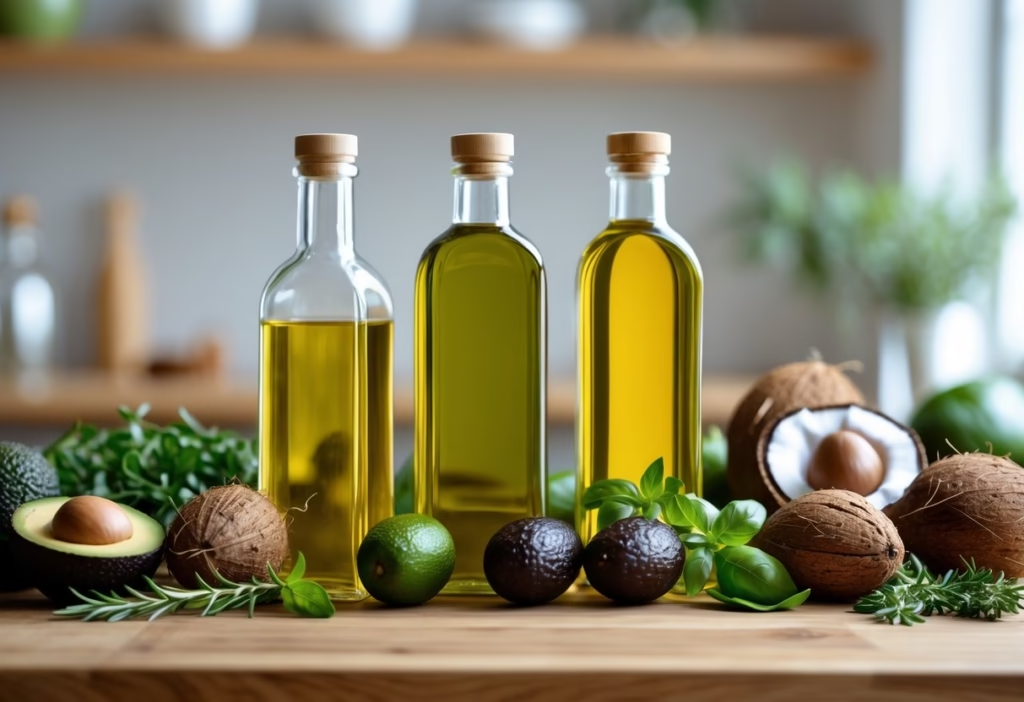
You can improve blood sugar control and heart health by picking cooking oils with the right fat profile. The options below focus on healthy fats, stable cooking performance, and nutrients that support insulin sensitivity.
Extra Virgin Olive Oil: The Gold Standard
Extra virgin olive oil stands out as one of the best cooking oils for diabetes. It’s loaded with monounsaturated fats, which help with insulin sensitivity and heart health.
Research tied to the Mediterranean diet shows better blood sugar control when olive oil replaces saturated fats. This oil also brings antioxidants like tyrosol and vitamin E, which help fight inflammation.
Use extra virgin olive oil for low to medium heat cooking or raw uses.
Best uses
- Salad dressings
- Light sautéing
- Roasted vegetables at moderate heat
Many dietitians list olive oil as a top pick for managing diabetes, with more info at best cooking oils for people with diabetes.
Avocado Oil: Versatile and Heart-Healthy
Avocado oil works great when you need higher heat. It has a high smoke point and a fat profile rich in monounsaturated fats with some polyunsaturated fats.
This oil doesn’t raise blood sugar and fits easily into daily cooking for diabetics. It also has vitamin E, which is good for cell health.
Avocado oil has a mild taste, so it won’t take over your food. That makes it easy to use often without changing your recipes.
Why it works well
- High smoke point for roasting and searing
- Supports insulin sensitivity
- Neutral flavor for everyday meals
Many experts include avocado oil among the best cooking oils for diabetics because of its stable fats and cooking range.
Canola Oil: Budget-Friendly and Balanced
Canola oil is a practical option if you cook often and want to save some money. It’s low in saturated fat and has a balanced mix of monounsaturated and polyunsaturated fats.
This fat mix supports heart health, which is important since diabetes raises heart disease risk. Canola oil also has a bit of omega-3, which helps limit inflammation.
It has a neutral taste and handles medium to high heat well.
Good everyday uses
- Stir-frying
- Baking
- Pan cooking
Health organizations often recommend canola oil when picking cooking oils for diabetics because it’s balanced and versatile.
Flaxseed Oil: Rich in Omega-3 for Cold Dishes
Flaxseed oil is a bit different from other cooking oils for diabetes because you shouldn’t heat it. It’s packed with omega-3 fat in the form of ALA (alpha-linolenic acid).
ALA helps fight inflammation and may support insulin sensitivity. Flaxseed oil also has lignans, plant compounds linked to better metabolic health.
Keep it in the fridge and use it only cold.
Best ways to use it
- Salad dressings
- Mixed into yogurt or smoothies
- Drizzled over cooked foods after heating
If you’re focused on omega-3 intake, flaxseed oil often pops up on lists of healthy cooking oils for diabetes management.
Other Noteworthy Oils and Usage Considerations
Several common oils can fit into your cooking routine when you manage diabetes. The key differences come from fat type, processing method, and how you use each oil when cooking.
Safflower Oil: Types and Applications
Safflower oil comes in two main types, and the label really matters. High-linoleic safflower oil is higher in polyunsaturated fat and lower in saturated fat. You can use it for salad dressings or low-heat cooking.
High-oleic safflower oil works better for heat. It has a higher smoke point, so it’s more stable for sautéing or a light stir-fry. Most versions are refined oils, which means a milder taste and longer shelf life.
Cold-pressed safflower oil keeps more natural compounds, but it spoils faster. Use it without heat and store it away from light. Remember, all oils add calories, so watch your portions.
Sesame Oil: Benefits and Culinary Uses
Sesame oil brings both flavor and useful fats. It’s mostly unsaturated fats and natural antioxidants, which support heart health—a big deal if you have diabetes.
Traditional toasted sesame oil packs a strong taste. Use it to finish dishes, not to cook with. Lighter sesame oil handles moderate heat and works for everyday cooking.
Research in benefits of sesame oil for diabetic patients links it to better blood sugar and cholesterol control when you use it in moderation.
Sesame oil pairs well with vegetables, lentils, and grains. Just don’t overdo it—its rich flavor can sneak up on you.
Sunflower, Corn, and Rice Bran Oils: Nutrient Content
Sunflower and corn oils show up everywhere in stores, usually refined and ready for cooking. They pack more polyunsaturated fats and barely any saturated fat, which is a decent combo if you’re swapping out solid fats for liquid ones.
These oils can handle medium- to high-heat cooking because their smoke point is pretty stable. Just don’t keep reheating them over and over—it messes with the oil’s quality.
Most guides for cooking oils and diabetes put these in the “use in moderation” bucket. Rice bran oil, though, is a bit of a standout.
Rice bran oil brings a balance of monounsaturated fats and antioxidants. Some articles, like this one on heart-friendly rice bran oil for diabetes, say it can help with cholesterol control.
Soybean oil pops up in a lot of packaged foods, so if you’re watching your intake, check those labels.
Integrating Healthy Oils Into a Diabetes-Friendly Lifestyle
If you’ve got diabetes, the oils you choose—and how you use them—really matter. Keep portions in check, cook smart, and ask your healthcare provider for advice if you’re not sure what works for you.
Portion Control and Cooking Methods
Healthy oils can do you good, but only if you don’t go overboard. Sure, oils have zero carbs, but the calories and fat can sneak up on you and mess with your weight, blood pressure, or triglycerides if you’re not careful.
Here are some portion tips you might actually use:
- Stick to 1–2 teaspoons of oil per meal
- Measure it out—don’t just pour straight from the bottle
- Try spreading oil with a brush or spoon to avoid overdoing it
Pick cooking methods that don’t soak up a ton of oil. Sautéing, roasting, steaming, and grilling all work well for meals that don’t spike your blood sugar.
Oils like olive and rice bran oil handle moderate heat without breaking down, which is helpful if you’re aiming for steady blood sugar. If you’re curious about which oils do best in everyday cooking, check out this guide on diabetes-friendly cooking oils.
Optimizing Oils for Heart Health and Inflammation
Since diabetes ups your risk of heart disease, it’s smart to pick oils that help both blood sugar and your heart. Oils full of unsaturated fats can lower LDL cholesterol and maybe even tamp down inflammation tied to insulin resistance.
Some oils worth focusing on:
- Olive oil for monounsaturated fats and antioxidants
- Sesame oil for its anti-inflammatory benefits
- Canola oil for its balanced fat profile
These can help manage triglycerides and blood pressure if you use them in moderation. For more options, you might want to scroll through this list of the best cooking oils for diabetes management.
Try to avoid oils high in trans fats or too much omega-6—they’re not great for inflammation.
Consulting a Healthcare Provider for Personalized Recommendations
The right oil for you really depends on your specific health picture. Diabetes isn’t one-size-fits-all, and things like high blood pressure or heart disease change the game.
A healthcare provider or dietitian can:
- Tweak your oil intake based on lab results
- Make sure your oil choices fit with your meds and health goals
- Help you manage weight and triglycerides without any nasty surprises
If you’re juggling several health issues or your blood sugar keeps shifting, professional advice is even more important. For a broader view, this overview of the best and worst cooking oils for people with diabetes might help you get the conversation started with your provider.
Frequently Asked Questions
Cooking oils can impact insulin, heart health, and inflammation for people with diabetes. The kind of fat you use matters more than just the amount, and some oils just work better for metabolic control.
What are the healthiest oil options for individuals with diabetes?
You’ll get the most benefit from oils high in unsaturated fats—think olive oil, avocado oil, canola oil, flaxseed oil, and mustard oil.
Most clinical nutrition guides put extra virgin olive oil and avocado oil at the top, since they help with insulin sensitivity and heart health. Here’s more on that in this overview of the best cooking oils for diabetics.
How does olive oil impact blood sugar levels in diabetic patients?
Olive oil doesn’t raise blood sugar—there’s no carbs in it. The monounsaturated fats can help your body use insulin better.
Some research even links regular extra virgin olive oil use with better post-meal glucose control and less inflammation. You’ll find more details in this guide on healthier cooking oil options for diabetes.
Can coconut oil be a good choice for diabetes management?
Coconut oil has medium-chain fats that your body burns fast, so it might help some people with weight control.
But keep in mind, it’s high in saturated fat, so use it sparingly. Most diabetes nutrition experts say to limit it and stick with oils higher in unsaturated fats, as mentioned in this review of the best and worst cooking oils for people with diabetes.
Are there specific cooking oils that should be avoided by diabetics?
Try to steer clear of oils loaded with trans fats or heavily refined omega-6 fats. That means partially hydrogenated oils and some refined vegetable oils.
Using these a lot can make insulin resistance worse and raise your heart disease risk—a big deal for diabetes, as this article on cooking oils to limit for diabetes explains.
How does the consumption of omega-3 fatty acids affect diabetes?
Omega-3s can lower inflammation and improve your lipid profile. That helps insulin work better and boosts cardiovascular health.
You’ll find omega-3s in oils like flaxseed oil and foods like fatty fish. Many diabetes-friendly meal plans work these fats in, as you’ll see in this breakdown of diabetic-friendly cooking oils.
What are monounsaturated fats, and why are they important for diabetics?
Monounsaturated fats show up in olive oil, avocado oil, and canola oil. These healthy fats help lower LDL cholesterol and protect your heart.
If you have diabetes, this becomes a big deal because your risk of heart disease goes up. Diets with more monounsaturated fats often lead to steadier blood sugar and better lipid numbers, at least according to advice on which cooking oil is good for diabetes.