

Ever notice foam in the toilet after you pee? It can be unsettling, especially if you have diabetes.
Sure, a few bubbles now and then are normal. But if you keep seeing persistent foamy urine, it might mean something’s up with your health.
Understanding how diabetes can change your urine helps you spot important warning signs early on.

Foamy urine in diabetes usually means extra protein is leaking into your urine, which points to diabetic kidney disease.
When you let your blood sugar run high for too long, it starts to damage the kidneys’ filters. Suddenly, protein sneaks into your urine instead of staying in your bloodstream where it belongs.
Key Takeaways
- Persistent foamy urine in diabetes often means protein is leaking due to kidney damage
- High blood sugar over time can wreck your kidneys’ filtering ability
- Spotting these changes early and getting checked can help you avoid serious kidney trouble
Understanding Why Foamy Urine Occurs in Diabetes

For people with diabetes, foamy urine usually happens because damaged kidneys let protein slip through. But high blood sugar and some other things can play a role too.
The Role of Protein in Urine
Protein in urine makes it look foamy when it hits the water. Healthy kidneys keep protein in your blood and only let waste out through urine.
Diabetes can break down those filters. When that happens, protein leaks out and you get proteinuria.
Albumin is the main culprit here. When your kidneys let albumin through, your urine gets bubbly or frothy—especially if you pee with a strong stream.
Common signs of protein in urine include:
- Foam that sticks around and doesn’t disappear fast
- Thick layer of bubbles on top
- Cloudy or milky look
- Weird or sweet smell
Connection to High Blood Sugar and Kidney Function
High blood sugar slowly chips away at your kidney function. When glucose stays too high, it damages those tiny kidney blood vessels that do the filtering.
This kind of damage—diabetes-related nephropathy—creeps up over time. Your kidneys start letting both protein and sugar leak into your urine. High blood sugar for too long causes inflammation and scarring in kidney tissue.
The filters get leaky, and proteins escape. If you don’t keep diabetes in check, you’re more likely to end up with kidney issues and foamy urine.
Common Triggers Beyond Diabetes
Sometimes, it’s just dehydration making your urine more concentrated and the foam more obvious. If you don’t drink enough water, your pee gets darker and foamier.
A strong, fast pee stream stirs up bubbles, even if you’re healthy. This happens when your bladder’s really full and pressure’s high. Even leftover cleaning products in the toilet can create foam that looks suspicious.
High blood pressure can also mess with your kidneys. Some autoimmune diseases, like lupus, might cause protein to show up in urine and create foam that’s not connected to blood sugar at all.
Early Warning Signs and Related Symptoms
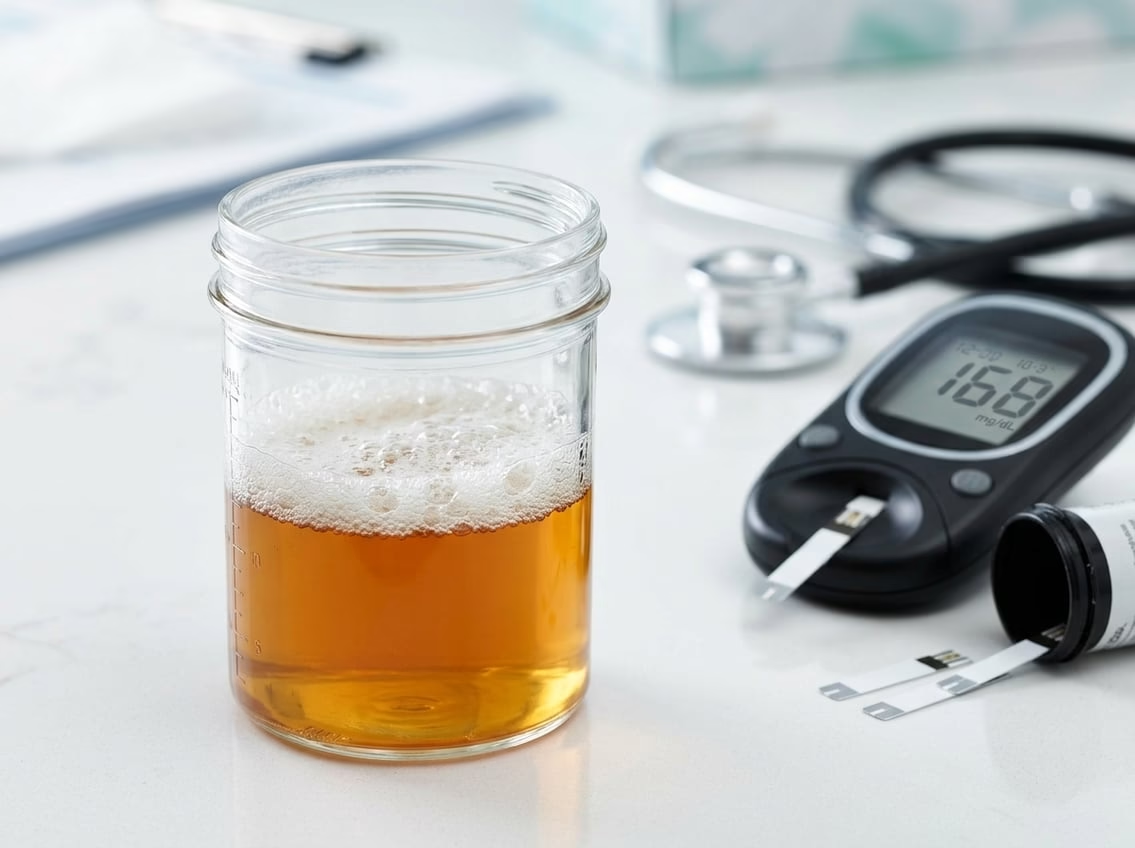
Foamy urine often tags along with other diabetes symptoms that hint at blood sugar issues or kidney trouble. These signs usually sneak up slowly—maybe more bathroom trips, unexpected weight changes, or changes in how your urine looks.
Persistent Foamy Urine as a Red Flag
Sure, a little foam is normal, especially after scrubbing the toilet or peeing with force. But if foam keeps showing up day after day, that’s a sign protein is leaking into your urine.
Diabetes can mess up your kidney filters, letting protein pass through and making your urine look foamy or bubbly. Foamy urine can pop up as early as stage 2 chronic kidney disease when protein levels are high.
This foam doesn’t fade quickly after flushing—it can look a bit like the head on a beer. If you keep seeing this for several days, it’s time to call your doctor and check for kidney or diabetes complications.
Frequent Urination and Unexplained Weight Loss
Diabetes makes you pee a lot because your body’s trying to flush out extra sugar. You might find yourself running to the bathroom every hour, or waking up all night long.
Losing all that fluid makes you thirsty and can leave you dehydrated. Plus, your body dumps calories through sugary urine, so you could lose weight fast—even if you’re eating the same as always.
This weight loss happens because your cells can’t get to the glucose for energy without enough insulin. So your body starts burning fat and muscle instead.
Other Changes in Urine Appearance
Diabetes doesn’t just change the foam—it can affect color too. Your urine might turn darker yellow if you’re dehydrated from all that peeing. Some people pick up on a sweet or fruity smell from the extra glucose.
Sometimes it looks cloudy instead of clear, which could mean infection or high protein levels. Shifts in color, clarity, or foam can flag diabetes-related health issues.
If you notice you’re producing more urine than usual, that’s common with diabetes too. Any combo of these changes is worth mentioning to your doctor for some tests.
Key Health Conditions and Risk Factors
Lots of things can cause foamy urine if you have diabetes, but kidney problems are the biggest worry. Dehydration and infections can also play a part.
Kidney Disease and Diabetic Nephropathy
Diabetic nephropathy happens when high blood sugar damages the tiny blood vessels in your kidneys. Protein then leaks into your urine, making foam that’s thick and soapy.
If you have both diabetes and high blood pressure, your risk goes up even more. That combo puts extra stress on your kidney filters, so they can’t hold back protein. Foamy urine shows up in about 20-30% of diabetes cases when people notice this symptom.
Chronic kidney disease creeps up slowly and often hides until a lot of damage is done. Early signs can be swelling in your ankles or feet, fatigue, and changes in how much or how often you pee. Testing for protein in urine lets doctors catch kidney trouble early.
Call your doctor right away if you notice:
- Foam that sticks around for more than two days
- Swelling in your legs, ankles, or face
- Very little urine output
- Extreme fatigue or weakness
Dehydration and Its Effects
When you’re dehydrated, your urine gets darker and foamier. Without enough water, your kidneys make less urine, but it’s packed with more waste and minerals.
This makes more bubbles when you pee. Foam from dehydration usually fades fast and doesn’t mean your kidneys are damaged. Just drink more water and things should clear up in a day or two.
Urinary Tract Infection and Other Causes
A urinary tract infection can send bacteria and white blood cells into your urine, making it foamy or cloudy. UTIs usually bring other annoyances—burning when you pee, constant urges, lower belly pain.
Other causes? Sometimes it’s just peeing hard from a full bladder, working out intensely, or cleaning products lingering in the toilet. These types of foam vanish in seconds and don’t stick around like protein-related bubbles.
Diagnosis and Medical Evaluation
Your doctor will run tests to figure out if foamy urine is tied to diabetes or kidney issues. They’ll check protein levels in your urine, see how your kidneys are doing, and keep an eye on your blood sugar and blood pressure.
Importance of Urinalysis and Urine Tests
Urinalysis usually kicks off the investigation when someone notices foamy urine. This test looks at protein, glucose, and other stuff in the urine that could hint at health issues.
When protein shows up in urine, doctors call it proteinuria. The spot urine albumin-to-creatinine ratio (UACR) checks exactly how much protein is there.
This UACR test offers more accuracy than a basic urinalysis. Doctors also check for albuminuria, which means albumin protein has slipped into the urine—often a red flag for early kidney trouble in people with diabetes.
Sometimes, a 24-hour urine collection gets ordered to see how much protein comes out in a whole day. You might find your doctor wants to repeat urine tests over time.
One odd result doesn’t always mean kidney disease, so they double-check to confirm what’s going on.
How Doctors Assess Kidney Function
The estimated glomerular filtration rate (eGFR) shows how well your kidneys filter waste. Doctors figure this out using a blood test that measures creatinine levels.
If eGFR drops below 60, that points to reduced kidney function. Healthy adults usually see eGFR numbers between 90 and 120.
Blood tests also check for:
- Creatinine levels – this waste builds up if kidneys aren’t keeping up
- Blood urea nitrogen (BUN) – another waste marker doctors like to monitor
- Electrolyte balance – sodium, potassium, and other minerals
Doctors use these results to spot diabetic kidney disease early. If they catch it soon enough, treatment can start before things get out of hand.
Blood Sugar and Blood Pressure Monitoring
High blood sugar slowly damages kidney blood vessels. Doctors check A1C to see your average blood sugar for the past few months.
When A1C climbs above 7%, the risk for kidney disease goes up. Patients also need to check their fasting blood glucose regularly.
Readings above 126 mg/dL over time mean diabetes isn’t well controlled. High blood pressure can cause just as much trouble for kidneys.
For people with diabetes, blood pressure should stay below 130/80. If it’s higher, kidney damage speeds up.
Doctors keep tabs on both blood sugar and blood pressure at every visit. Getting these under control usually means medication tweaks along the way.
Prevention, Management, and When to Seek Help
Keeping blood sugar steady and drinking enough water are key for preventing foamy urine linked to diabetes. It’s smart to know when to reach out to a doctor, too.
Staying Hydrated and Kidney Health
Drinking water throughout the day helps your kidneys work right and keeps urine from getting too concentrated. When you’re dehydrated, urine gets darker and foamier.
Most adults should shoot for 6 to 8 glasses of water daily, but honestly, it depends on how active you are and where you live. Good hydration lets kidneys filter waste and helps keep protein from building up in urine.
If you have diabetes, you’ve got to watch your kidney health closely. Drinking enough water and keeping a healthy weight can cut down on protein leaking into urine. Regular kidney tests can catch issues before they get serious.
Managing Diabetes for Prevention
Keeping blood sugar in check protects your kidneys and keeps protein out of the urine. High blood sugar damages those tiny kidney blood vessels, letting protein slip through.
If you have diabetes, you should:
- Check blood sugar regularly as your provider suggests
- Take your medications as prescribed—don’t skip doses
- Follow a balanced meal plan to keep blood sugar steady
- Exercise regularly to help your body use insulin better
- Keep an eye on blood pressure since high blood pressure hurts kidneys, too
Getting blood pressure and diabetes under control often clears up foamy urine. Cutting back on salt helps manage blood pressure and keeps kidneys safer.
When to Contact a Healthcare Provider
If you keep seeing foamy urine for a few days straight, it’s time to call your doctor. Occasional foam happens, but if it sticks around, don’t ignore it.
Call a healthcare provider right away if you notice foamy urine along with:
- Swelling in your feet, ankles, or face
- Feeling extremely tired or weak
- Nausea or vomiting
- Changes in how often you pee
- Burning when you urinate
- Cloudy or bloody urine
Your doctor will check a urine sample for protein and other signs of kidney problems. Catching things early gives you a better shot at protecting your kidneys.
Frequently Asked Questions
People with diabetes have a lot of questions about foamy urine—what causes it, when it’s a problem, and what tests pick up protein or kidney damage.
What are the most common causes of foamy urine, and when is it considered abnormal?
Foamy urine happens for a handful of reasons, and most aren’t serious. A strong, quick stream from a full bladder can whip up bubbles.
Cleaning products left in the toilet can also make urine look foamy. Dehydration concentrates urine and can add to the foam, but usually, these things clear up on their own.
If foamy urine sticks around or gets worse, it could mean protein is leaking from your kidneys. It’s abnormal if you see foam for several days in a row, especially if it’s getting denser or comes with swelling or fatigue.
How can protein in the urine lead to foamy urine, and what does it indicate?
Protein in urine—proteinuria—makes foam because proteins change the liquid’s surface tension. High protein levels make urine act more like soapy water, so bubbles stick around longer.
Too much protein in urine can signal kidney damage. Healthy kidneys keep protein in your blood, but damaged ones let it leak into urine.
For people with diabetes, proteinuria often means high blood sugar has hurt the kidneys’ filters. This damage builds up over time as high glucose wears out the small blood vessels.
Can early kidney damage cause foamy urine before other symptoms appear?
Early kidney damage can show up as foamy urine before anything else feels off. Kidney disease sneaks up quietly in the beginning.
Proteinuria is often one of the first signs. Lots of people feel totally fine when protein starts leaking into their urine, so foamy urine can be a useful early warning.
People with diabetes have a higher risk of kidney disease. Regular checkups can catch kidney issues early, which is when treatment works best.
What tests are typically used to check for protein in the urine and assess kidney function?
A urine dipstick test gives a quick read on protein in urine. The strip changes color if protein’s there, and it’s easy for healthcare providers to do in the office.
For more details, a urine albumin-to-creatinine ratio test measures exactly how much protein is leaking. It’s more accurate than a dipstick.
Blood tests check creatinine and calculate eGFR to see how well kidneys filter waste. Together, urine and blood tests paint a pretty clear picture of kidney health.
How can dehydration, urine concentration, or urine flow speed contribute to foamy urine?
Dehydration makes urine more concentrated, which means more waste and minerals that can foam up. A fast, forceful stream introduces more air, creating bubbles—kind of like water splashing in a sink.
Short-lived foam after a strong stream is usually nothing to worry about. If you haven’t peed in a while, your bladder fills up and the pressure makes urine shoot out faster, which can cause temporary foam.
Drinking enough water and not holding it too long usually keeps foam from building up due to these reasons.
When should someone seek medical evaluation for persistent foamy urine, especially if they have risk factors for kidney disease?
If foamy urine sticks around for more than two days, it’s probably time to call your doctor. When the foam gets thicker or just lingers, that’s another red flag.
People with diabetes really need to keep an eye on this. Foamy urine can hint at kidney trouble, and it’s not something to brush off. Folks with high blood pressure, a family history of kidney issues, or obesity should also stay alert.
If you fall into one of those groups, let your doctor know about any changes in your pee—don’t wait it out. Swelling in your legs, ankles, or face? That could mean fluid’s building up because your kidneys aren’t handling things well.
Other signs like fatigue, peeing more or less than usual, or even trouble focusing might show your kidneys are struggling. High blood sugar from diabetes can mess with your kidneys over time, so catching problems early is a big deal.
Regular checkups and urine tests can help spot kidney damage before it gets out of hand. If you notice foam that just won’t quit, go ahead and book that appointment—better safe than sorry.