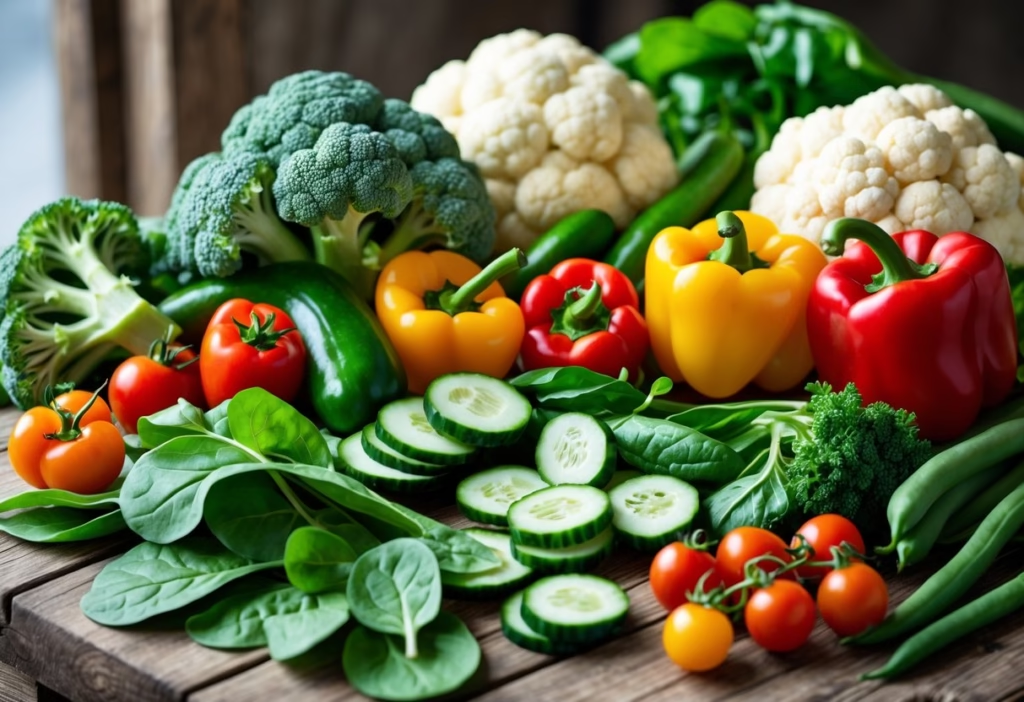

You want steady blood sugar without giving up flavor or variety. Vegetables play a key role—they add fiber, water, and nutrients while keeping carbs low.
The right choices help you feel full and support daily glucose balance.
The best vegetables for blood sugar control are non-starchy options like leafy greens, broccoli, zucchini, tomatoes, cucumbers, mushrooms, cabbage, and green beans because they’re low in carbs and high in fiber. These veggies slow digestion and help limit sharp blood sugar changes.
Many also support heart health, which becomes pretty important when you manage blood sugar long term.
You can use these vegetables in meals you already enjoy, from simple sides to full dinners. Small swaps and smart cooking can make a real difference—without a ton of stress or strict rules.
Key Takeaways
- Non-starchy vegetables help keep blood sugar steady.
- Fiber-rich vegetables support fullness and glucose control.
- Simple choices and cooking methods matter every day.
Understanding Blood Sugar Control and Diabetes
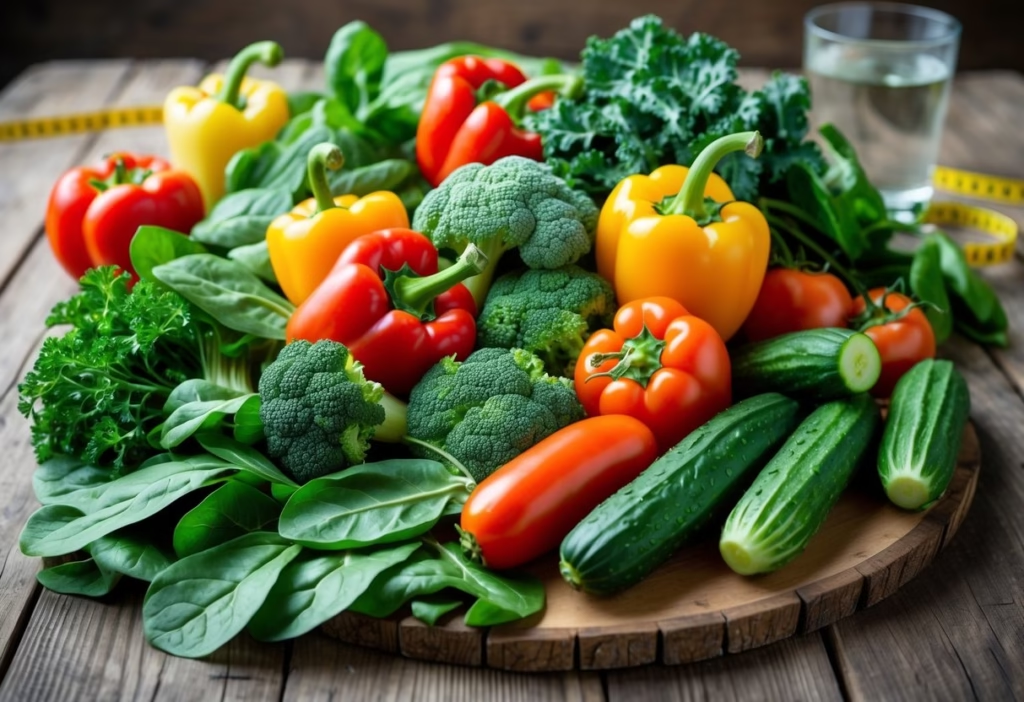
Blood sugar control depends on how your body handles carbohydrates, fiber, and nutrients. Vegetables play a direct role by slowing digestion and reducing glucose spikes.
How Vegetables Affect Blood Sugar Levels
Vegetables affect blood sugar based on their carbohydrate content, fiber level, and water content. Most non-starchy vegetables digest slowly, which helps keep blood glucose steady.
This matters for daily blood sugar control.
Many vegetables also support insulin function. Leafy greens like spinach and broccoli pack magnesium, which helps your cells respond to insulin.
Research-backed guides on the best vegetables for diabetes management often highlight these foods for that reason.
Vegetables also help with weight management. Low-calorie, high-volume foods let you eat larger portions without sharp glucose rises.
This makes meals more filling and easier to manage day to day.
Role of Glycemic Index and Glycemic Load
The glycemic index (GI) measures how fast a food raises blood sugar. Vegetables with a low glycemic index cause slower and smaller glucose increases.
Glycemic load adds portion size to this picture, which gives you a more practical view.
Most non-starchy vegetables fall into this low-GI group. Examples include spinach, cucumbers, green beans, and lettuce.
Medical articles on vegetables that lower blood sugar often focus on these choices.
Simple comparison
| Vegetable type | GI impact | Blood sugar effect |
|---|---|---|
| Leafy greens | Low | Slow, stable rise |
| Cruciferous | Low | Minimal spikes |
| Starchy veggies | Medium | Faster rise, larger portions matter |
Cooking method also matters. Steaming or roasting keeps GI lower than frying.
Importance of Fiber and Nutrients
Fiber-rich vegetables slow digestion and reduce how quickly sugar enters your blood. This improves digestion and lowers post-meal glucose spikes.
Many experts recommend rich in fiber foods as a daily habit for diabetes control.
Vegetables also deliver key nutrients. Antioxidants like vitamin C and carotenoids support heart health, which matters because diabetes raises heart disease risk.
Articles on fiber-rich vegetables for diabetes control stress this link.
Key benefits you get from fiber-rich vegetables:
- Slower carbohydrate absorption
- Better fullness between meals
- Support for heart health
- Improved digestion and gut function
Eating a wide mix of vegetables helps you cover these needs without relying on supplements.
Non-Starchy and Low-Carb Vegetables for Stable Blood Sugar
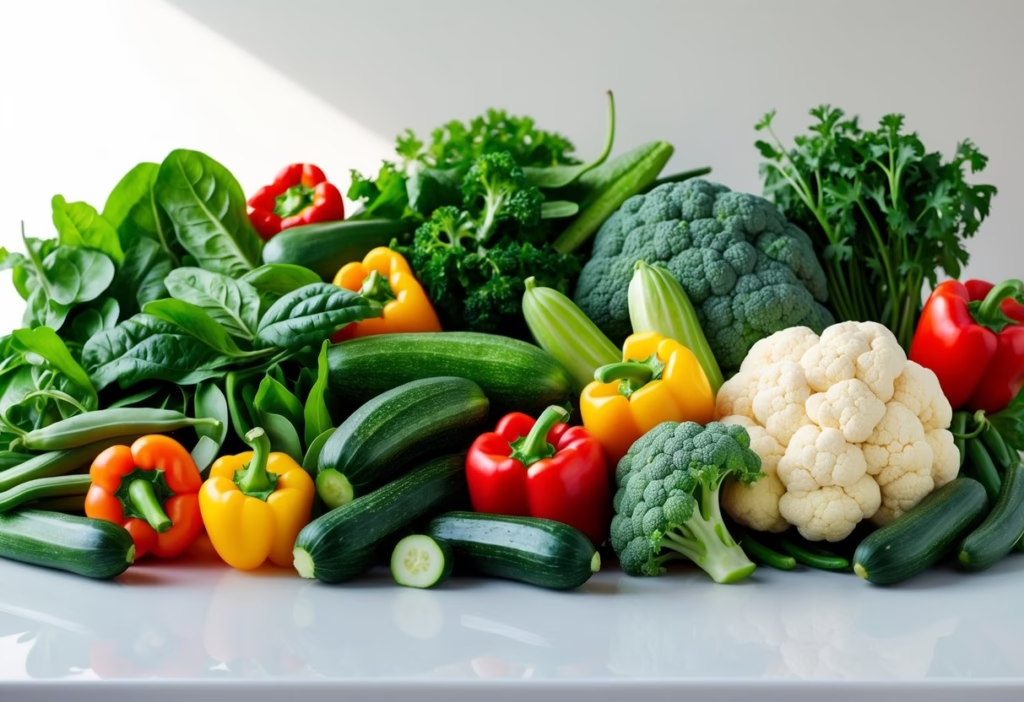
You can stabilize blood sugar by choosing non-starchy vegetables that stay low in carbs and rich in fiber. These diabetes-friendly vegetables slow digestion and limit glucose spikes.
They support daily meals without adding excess carbohydrates.
Leafy Greens and Their Benefits
Leafy greens rank among the best vegetables for type 2 diabetes because they are low-carb vegetables with very little natural sugar. Options like spinach, kale, and lettuce provide fiber, magnesium, and antioxidants without raising blood glucose.
Many experts list them among the best low-sugar vegetables for blood sugar control.
You can eat leafy greens raw or cooked. Cooking reduces volume but keeps carbs low.
Fiber helps you feel full, which can reduce overeating later in the day.
Why leafy greens work well
- Very low in carbs
- High in fiber and water
- Easy to add to meals
These vegetables for diabetes fit well into salads, soups, and quick side dishes.
Cruciferous Vegetables for Blood Sugar Management
Cruciferous vegetables include broccoli, cauliflower, cabbage, and Brussels sprouts. These non-starchy vegetables offer fiber and plant compounds that support steady blood sugar.
Health groups often highlight them as non-starchy vegetables for blood glucose control.
You benefit most when you steam, roast, or sauté them lightly. Avoid frying, which adds fat and calories.
These vegetables help you manage portions because they add bulk without many carbs.
Common cruciferous choices
| Vegetable | Carb Level | Best Use |
|---|---|---|
| Broccoli | Low | Stir-fries, sides |
| Cauliflower | Very low | Rice swaps, mash |
| Cabbage | Low | Slaws, soups |
They work well as diabetic-friendly vegetable staples.
Other Non-Starchy, Low Glycemic Index Options
Many other vegetables for type 2 diabetes stay low in carbs and have a low glycemic index. Bell peppers, zucchini, green beans, asparagus, and celery fall into this group.
Diet guides often recommend them as low-carb veggies for a diabetes-friendly diet.
You can mix these vegetables across meals to avoid boredom. Their fiber slows sugar absorption, which helps stabilize blood sugar after eating.
Easy ways to use them
- Slice peppers and celery for snacks
- Add zucchini to pasta dishes
- Roast green beans or asparagus
These low-carb vegetables help you build balanced meals without relying on starches.
Top High-Fiber and Nutrient-Dense Vegetables for Diabetics
You can manage blood sugar better when you choose vegetables that deliver high fiber and key nutrients without raising carbs too much. Several fiber-rich options also supply plant compounds that support insulin response and heart health.
Broccoli and Its Compounds
Broccoli stands out as a high fiber vegetable that fits well into blood sugar control. One cup provides both soluble fiber and insoluble fiber, which slow digestion and reduce sharp glucose rises after meals.
Broccoli also contains sulforaphane, a natural compound found in cruciferous vegetables. Research links this compound to better insulin sensitivity and lower inflammation.
These effects matter when you want steadier blood sugar through the day.
You can steam, roast, or stir-fry broccoli with little oil to keep its benefits. Avoid heavy sauces that add sugar or refined starch.
According to this overview of the best vegetables for diabetes, broccoli works well as a regular side or main dish base.
Key nutrients in broccoli
- Fiber for slower carb absorption
- Vitamin C for cell protection
- Plant compounds that support metabolic health
Spinach and Other Leafy Greens
Spinach and other leafy greens give you a lot of nutrients with very few carbs. They’re fiber-rich but light in calories, which helps you control portions without feeling hungry.
Spinach provides iron, magnesium, and vitamin K. These nutrients support blood flow and muscle function, which matters for glucose use.
Leafy greens also digest slowly, helping keep post-meal blood sugar more stable.
You can add spinach to eggs, soups, or salads without changing blood sugar load much. Other good options include kale, arugula, and romaine.
These vegetables appear often in lists of vegetables for diabetes because they combine low carbs with strong nutrient value.
Why leafy greens help
- Low impact on blood sugar
- High nutrient density
- Easy to eat in large volumes
Cabbage, Cauliflower, and Green Beans
Cabbage and cauliflower fall under the cruciferous vegetables group, just like broccoli. They bring high fiber and barely any digestible carbs, so they’re pretty gentle on blood sugar.
Cabbage gives you vitamin C and fiber, both of which slow down digestion. Cauliflower steps in as a great rice or mash swap, letting you skip extra starch without shrinking your meal.
Green beans offer both soluble fiber and insoluble fiber. That combo keeps you full and supports gut health.
Try roasting, sautéing, or lightly boiling these veggies. Those methods keep their texture and nutrients in decent shape.
Special Diabetes-Friendly Vegetables and Their Specific Benefits
Some vegetables really stand out because of their unique nutrients that help keep glucose steady. They bring fiber, plant compounds, and antioxidants to the table, all of which help you fight inflammation and manage blood sugar.
Carrots and Beta-Carotene
Carrots give you steady energy thanks to their fiber and natural sweetness. If you eat them whole or just lightly cooked, the fiber slows down digestion and keeps blood sugar from spiking.
Beta-carotene is what makes carrots orange and supports eye and immune health. Your body turns beta-carotene into vitamin A as needed, which is useful if you’re worried about diabetes-related eye issues.
Research often puts carrots high on the list of best vegetables for diabetes.
- High in fiber for better glucose control
- Rich in beta-carotene for eye health
- Easy to add to meals or snacks
Bitter Gourd and Karela Juice
Bitter gourd, or karela, has a special place in traditional diabetes diets. It’s packed with plant compounds that may help your cells use glucose more efficiently.
Some people drink karela juice in small amounts, usually on an empty stomach. The taste is intense, but it’s still popular because it fits into routines focused on blood sugar control.
Nutrition educators often suggest rotating vegetables like bitter gourd, so you don’t miss out on other nutrients. Here’s a helpful guide on weekly vegetables for diabetes control.
- Bitter gourd is very low in carbs
- Karela juice works best in small servings
- Regular rotation matters more than daily use
Okra and Unique Fibers
Okra stands out because of its thick, gel-like fibers. These fibers slow down how quickly sugar moves from your gut into your blood.
If you cook okra lightly, it keeps most of its fiber structure. That helps you feel full longer and keeps blood sugar steadier after meals.
Many diabetes-friendly guides include okra on their top vegetables for diabetes lists.
- Unique soluble fiber slows digestion
- Low calorie and filling
- Easy to add to soups and stir-fries
Tomatoes and Lycopene
Tomatoes add flavor without much sugar. They also contain lycopene, a plant compound tied to heart health, which is extra important since diabetes raises heart risk.
Your body absorbs lycopene better from cooked tomatoes, like in sauces or roasted dishes. Tomatoes also bring water and fiber, which help with portion control and hydration.
Health guides often highlight tomatoes on lists of the right vegetables for diabetes.
- Lycopene supports heart health
- Low glycemic impact
- Flexible for raw or cooked meals
Guidelines for Choosing and Preparing Vegetables for Blood Sugar Management
You can manage blood sugar better by picking the right vegetables and cooking them with some care. Focus on fiber, watch your portions, and use cooking methods that slow digestion and keep nutrients around.
Choosing Low-Glycemic, High-Fiber Vegetables
Go for low-glycemic vegetables since they raise blood sugar more slowly. These veggies usually have more fiber, which helps curb glucose spikes after meals.
Good picks: leafy greens, broccoli, cauliflower, zucchini, cabbage, and green beans. Most doctors recommend veggies like spinach and broccoli for diabetes, since they mix fiber with low carbs. Here’s a guide to vegetables for diabetes management.
Try to fill at least half your plate with non-starchy vegetables. Fiber slows digestion and keeps you full longer, which helps steady blood sugar all day.
Balancing Starchy and Non-Starchy Vegetables
You don’t have to cut out starchy vegetables completely, but portion control is key. Potatoes, corn, peas, and squash have more carbs and can spike blood sugar faster.
The best move? Pair starchy vegetables with high-fiber, low-glycemic ones. That way, the meal’s overall glucose impact drops. For example:
- ½ plate: non-starchy vegetables
- ¼ plate: lean protein
- ¼ plate: starchy vegetables
Experts say both raw and cooked veggies can help manage blood sugar, as long as you keep portions reasonable. More on that in this overview of vegetables for blood sugar control.
Cooking Methods That Preserve Nutrients
How you cook your veggies matters just as much as which ones you pick. Gentle cooking helps keep fiber and vitamins that support blood sugar balance.
Try steaming, roasting, sautéing, or grilling. Skip deep frying or cooking until everything’s mushy, since that can bump up the glycemic effect.
Light cooking also helps your gut, which plays into glucose control. There’s more on this in research about low glycemic vegetables.
Season your veggies with herbs, spices, lemon, or vinegar instead of sugary sauces. It keeps things tasty without sneaky carbs.
Frequently Asked Questions
Vegetables with low carbs, high fiber, and a low glycemic index help limit blood sugar spikes. Cooking style, portion size, and variety all shape how veggies influence your glucose levels.
What vegetables have the lowest impact on blood sugar levels?
Non-starchy vegetables usually have the lowest effect on blood sugar. Think gourds, leafy greens, and cruciferous veggies.
Ivy gourd, ridge gourd, and cluster beans digest slowly and support steady glucose levels. Many meal plans highlight these as weekly vegetables for diabetes control.
Can eating certain vegetables help regulate blood sugar in diabetics?
Yes, some vegetables make a real difference if you eat them often. Their fiber slows digestion and keeps sugar from hitting your bloodstream all at once.
Moringa, bitter gourd, and pointed gourd work well when you include them in regular meals. Several nutrition guides call them out as best vegetables for blood sugar control.
Which non-starchy vegetables are recommended for a blood sugar-friendly diet?
Leafy greens like spinach and methi are solid picks—low in carbs and high in fiber. Broccoli and cauliflower are great, too.
Gourds, peppers, and beans add bulk to meals without much glucose impact. Most health experts recommend these non-starchy vegetables for diabetes management.
Are there any vegetables that should be avoided for blood sugar control?
Starchy vegetables can spike blood sugar if you eat big portions. Potatoes, sweet corn, and peas fit this group.
You don’t have to ditch them completely, but watch your portions. Avoiding fried or heavily processed veggies also helps keep glucose steadier.
How do fiber-rich vegetables affect blood sugar management?
Fiber slows digestion and keeps glucose from flooding your bloodstream too quickly. That means fewer sharp spikes after eating.
Veggies high in soluble fiber, like cluster beans and leafy greens, help with post-meal control. Plenty of nutrition articles explain how fiber-rich vegetables stabilize blood sugar.
What role do cruciferous vegetables play in maintaining stable blood glucose?
Cruciferous vegetables give you fiber and antioxidants, yet barely any carbohydrates. Broccoli, cabbage, and cauliflower digest slowly, which helps your body handle insulin better.
If you eat these veggies regularly, you might notice steadier glucose levels and a healthier heart. They pop up all the time in lists of the best vegetables for managing diabetes.




Pingback: Healthy Breakfast for Diabetics: Nutritious and Tasty Choices - Pharma Heals