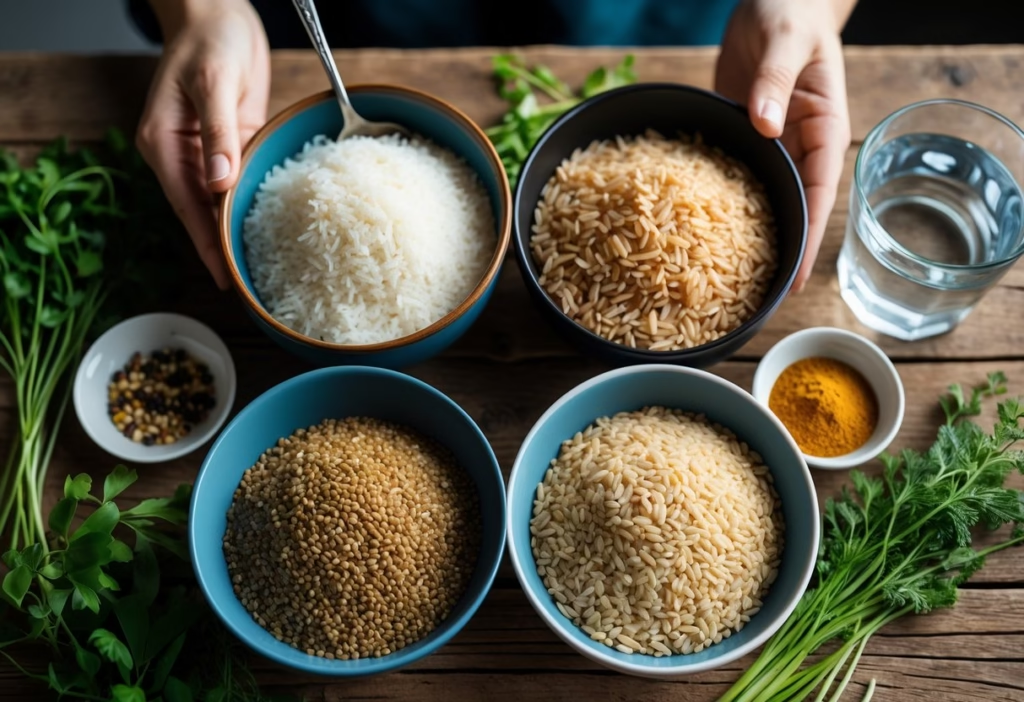

Living with diabetes doesn’t mean you need to ditch rice entirely. It’s easy to feel lost when choosing the right type for your blood sugar goals, especially with so many options around.
The answer really comes down to which rice you pick and, honestly, how you eat it.
You can eat rice with diabetes if you pick the right type, keep your portions in check, and pair it with fiber or protein. White rice tends to spike blood sugar fast, but brown rice and basmati break down more slowly.
Millets and other whole grains usually have an even gentler effect on glucose. They add some variety too, which is always nice.
This guide breaks down white rice, brown rice, basmati, and millets in plain language. You’ll see how each one affects blood sugar and how to actually enjoy rice without losing control.
Key Takeaways
- Rice affects blood sugar differently based on type and fiber.
- Whole grains and millets support steadier glucose levels.
- Smart portions and food pairings matter as much as rice choice.
How Rice Affects Blood Sugar
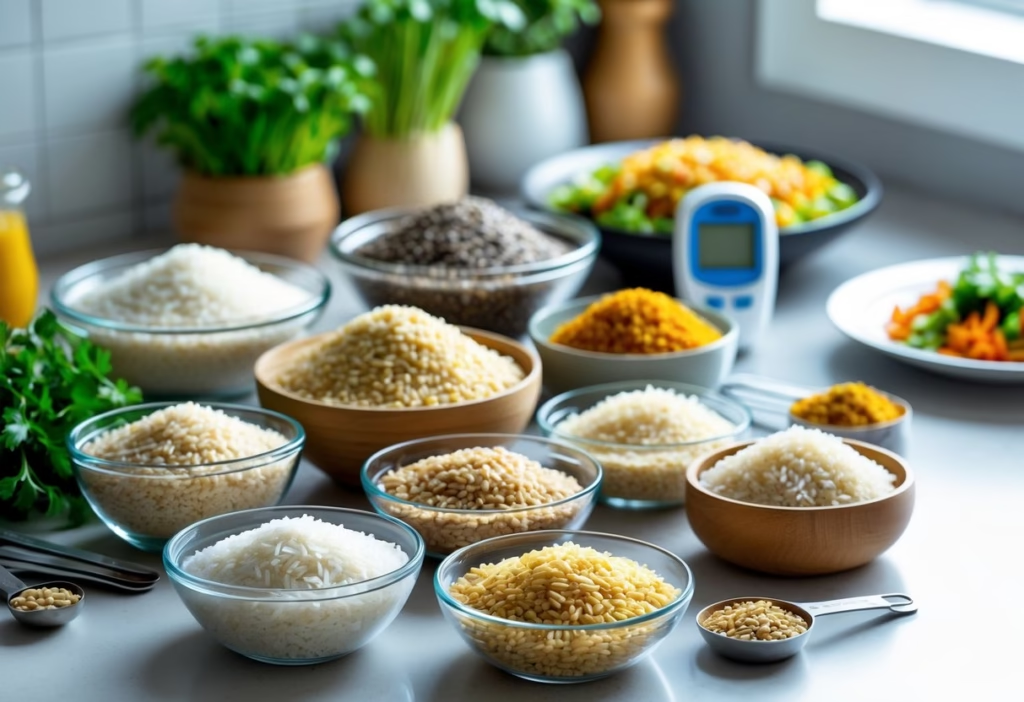
Rice raises blood sugar because it’s loaded with starch, which your body turns into glucose during digestion. How much your blood sugar goes up depends on the rice type, your portion, and how well your body handles carbs.
Glycemic Index of Rice Varieties
The glycemic index (GI) tells you how fast a food bumps up your blood sugar. Rice types are all over the map when it comes to GI, so choosing wisely really matters.
| Rice type | Typical GI range | Blood sugar effect |
|---|---|---|
| White rice (short-grain, jasmine) | 70–89 | Fast and high spike |
| Basmati rice | 50–58 | Slower rise |
| Brown rice | 50–68 | Moderate rise |
| Millets (most types) | 45–55 | Lower rise |
White rice digests fast because milling strips away the fiber and bran. That’s why it tends to cause sharper blood sugar spikes. Brown rice and basmati digest more slowly thanks to their structure and fiber content.
Research shows brown rice leads to smaller glucose bumps in folks with diabetes. If you want the details, check out this review on brown rice versus white rice for diabetes.
Glycemic Load and Portion Control
Glycemic load (GL) mixes the GI with how much carb you actually eat. It’s honestly more useful than GI alone when you’re planning a meal.
Even a small serving of higher-GI rice can cause less of a spike than a giant bowl of “healthier” rice. For most people with diabetes, ½ cup of cooked rice gives about 22–25 grams of carbs—usually a manageable amount.
Some quick portion tips:
- Measure rice after cooking, not before.
- Try to keep rice carbs under 45 grams per meal if you can.
- Pair rice with protein, fat, or veggies to help slow things down.
Restaurant servings? They often triple what’s sensible. Research says portion size really drives glucose control, even if you’re picking whole grains like brown rice. More on that in this rice and blood sugar management overview.
Role of Resistant Starch
Resistant starch is a type of starch your body doesn’t digest in the small intestine. It acts more like fiber, so it slows down the glucose rise.
Rice has more resistant starch if you cook it, cool it, and then eat it later. That cooling step changes the starch structure a bit, which helps soften the blood sugar hit.
How to get more resistant starch:
- Cook rice, chill it overnight, and reheat gently.
- Pick firmer, less sticky rice types.
- Don’t overcook—mushy rice breaks down faster.
Even with resistant starch, rice still raises blood sugar. Cooling helps a little, but it doesn’t make a giant portion safe. Balancing cooking method and portion size is key, according to Verywell Health on brown rice and blood sugar.
White Rice: Impact and Considerations
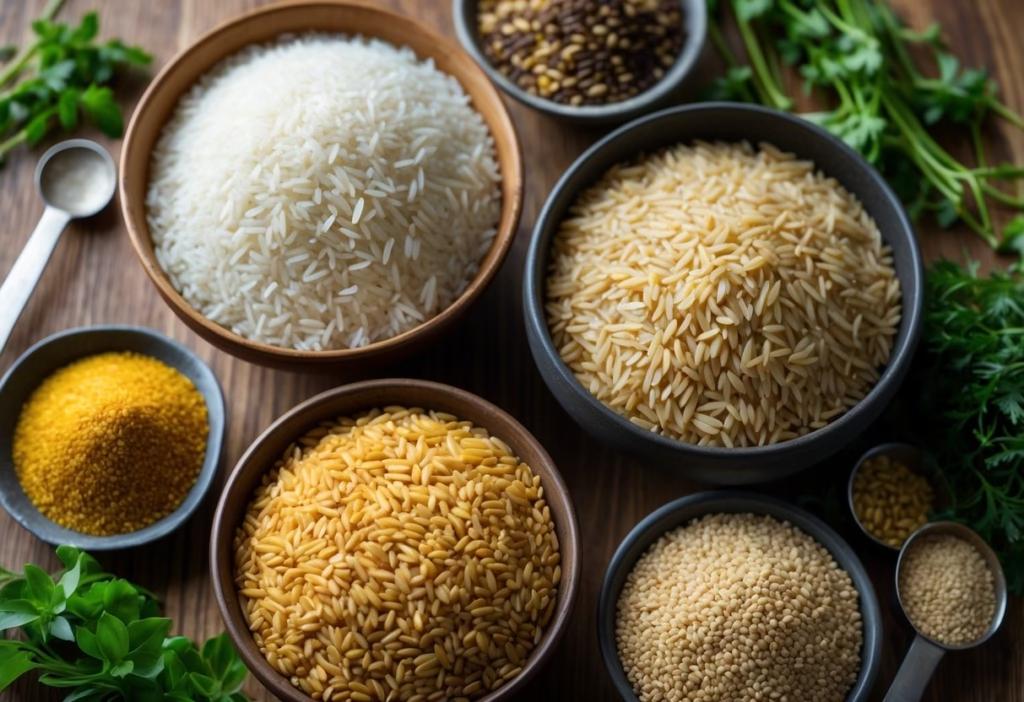
White rice can spike blood sugar fast since it digests quickly and is mostly starch. The type of white rice and how it’s processed both change how much it messes with your glucose levels.
Short-Grain White Rice and Blood Sugar
Short-grain white rice usually raises blood sugar more than other types. Its glycemic index is often above 80, meaning it dumps glucose into your bloodstream fast.
Sticky rice—think sushi or rice bowls—signals rapid digestion. If you have diabetes, this quick spike can send your post-meal readings higher than you’d expect.
Some studies show short-grain and jasmine rice trigger sharper spikes than long-grain varieties, especially if you eat them alone. Big portions only make it worse.
You can soften the blow by keeping portions small and pairing rice with protein, fat, or fiber. Eating veggies or lean protein first also helps slow things down. There’s a good breakdown on this at white rice affects blood sugar levels.
Nutrient Loss and Processing Effects
White rice starts out as a whole grain, but processing strips away the bran and germ. That removes most of the fiber, magnesium, and B vitamins.
What’s left is mostly starch, which your body turns into glucose pretty quickly. The lack of fiber is a big reason white rice spikes blood sugar more than whole grains.
Research comparing rice types finds brown rice leads to smaller glucose spikes than white rice if you eat the same amount. For a clear comparison, see brown rice versus white rice nutrition.
Some white rice gets enriched with vitamins, but that doesn’t bring back the fiber. Cooling white rice after cooking can bump up resistant starch a little, but honestly, the effect isn’t huge.
Brown Rice vs. Basmati Rice
Brown rice and basmati rice don’t hit your blood sugar the same way. The big differences come down to fiber, how fast they raise blood glucose, and whether the rice still has its outer bran layer.
Glycemic Index Comparison
The glycemic index (GI) tells you how quickly a food raises blood sugar. Lower GI foods usually mean a slower, smaller bump after meals.
Brown rice has a low to medium GI, usually around 50–55. That helps keep blood sugar steadier. Its intact bran layer slows digestion and glucose release, making it a favorite in diabetes-friendly meal plans.
Basmati rice is a bit more complicated. White basmati rice usually falls between 50–58 GI, which is lower than most white rice, but it still digests faster than brown rice. Brown basmati rice keeps more fiber, sitting at the lower end of that range.
Research in this guide on brown rice vs basmati rice for diabetes points out that portion size and how you cook the rice also affect your blood sugar response.
Nutritional Differences Between Brown and Basmati Rice
Brown rice and basmati rice mainly differ in fiber and micronutrients. These details matter when you’re managing diabetes.
Brown rice gives you about 3–4 grams of fiber per cooked cup. That slows digestion and helps you stay full longer. It also has magnesium and antioxidants that support insulin function.
White basmati rice has less fiber, about 1 gram per cup, but you still get B vitamins. Brown basmati rice combines the best of both—more fiber than white basmati and a milder blood sugar effect.
A dietitian review on choosing rice for blood sugar management notes that pairing any rice with veggies or protein helps even more with glucose control.
| Rice Type | Fiber | Processing Level |
|---|---|---|
| Brown rice | High | Whole grain |
| Brown basmati rice | Medium–high | Whole grain |
| White basmati rice | Low | Refined |
Exploring Traditional and Specialty Rices
Some rice types break down more slowly and don’t spike blood sugar as much as polished white rice. These options usually keep their bran layer, which means more fiber, minerals, and honestly, a better bite after cooking.
Wild Rice and Black Rice
Wild rice isn’t actually rice, but it fits nicely into a diabetes-friendly diet. You’ll get more fiber and protein per serving than with white rice, which tends to slow down digestion.
Its glycemic index stays lower, so your blood sugar rises more gradually. You’ll often see wild rice recommended in guides on best rice options for diabetics because of this.
Black rice—sometimes called forbidden rice—keeps its dark, fibrous bran layer. That layer brings extra fiber and natural antioxidants to the table.
Black rice usually lands lower on the glycemic index than white rice and, in some cases, even brown rice. You really get the most out of it when you cook it gently and don’t go overboard with portions, as experts mention in best rice varieties for people with diabetes.
Indian Heritage Varieties: Karuppu Kavuni, Mappillai Samba, Navara, Thooyamalli
Karuppu Kavuni is a traditional black rice from South India. Since you eat it unpolished, you get more fiber and a slower sugar release.
Its dense texture keeps you full, which makes portion control a bit easier. Mappillai Samba, a red rice with a firm bite, digests slowly and works better than white rice for steady blood sugar.
It’s pretty common to see Mappillai Samba in Indian traditional rice varieties for diabetes lists. Navara rice is a short-grain type, usually eaten in small servings, with moderate carbs that work best paired with lentils or veggies.
Thooyamalli is a fragrant white rice; its unpolished version tends to perform better for blood sugar than the polished kind.
Millets and Rice Alternatives for Diabetics
It’s easier to manage blood sugar when you go for grains that digest slowly and release glucose at a steady pace. Millets and other low-glycemic choices add variety and help you avoid those sharp sugar spikes that white rice can cause.
Millet Varieties and Benefits
Millets really shine for diabetes because they’re packed with fiber and digest more slowly than polished rice. That means fewer post-meal sugar spikes and a longer-lasting feeling of fullness.
You’ll see foxtail millet, little millet, finger millet (ragi), pearl millet (bajra), and barnyard millet as the usual suspects on most lists.
Lots of doctors recommend millets as steady substitutes for rice or roti, as long as you keep portions in check. Here’s a solid medical overview on millets and blood sugar control if you want to dig deeper.
Practical tips for using millets:
- Swap out rice for millet—don’t just pile millet on top
- Aim for ½–1 cup cooked millet per meal
- Always team up with protein and veggies
Soaking millets before cooking can help with digestion and cut down on bloating.
Other Low-Glycemic Alternatives: Quinoa, Barley, Bulgur, Cauliflower Rice
You’ve got more than just millets to work with. Quinoa brings fiber and protein, both of which slow digestion and help keep glucose levels steadier.
Just remember, quinoa still has carbs, so stick to small portions. Barley and bulgur also digest slowly, thanks to their soluble fiber.
Barley can lower your post-meal sugar rise if you don’t go overboard. Bulgur cooks fast and fits nicely into mixed veggie dishes.
Cauliflower rice is a bit of a game-changer—it’s super low in carbs and doesn’t spike your blood sugar like grains do. Handy when you want plenty of food without the glucose hit.
Quick comparison:
| Option | Key Benefit | Best Use |
|---|---|---|
| Quinoa | Fiber + protein | Small grain portions |
| Barley | Slow digestion | Lunch meals |
| Bulgur | Lower GI than rice | Mixed dishes |
| Cauliflower rice | Very low carbs | Frequent use |
Nice to have some flexibility instead of relying on rice all the time.
Practical Tips for Including Rice in a Diabetic Diet
You can still eat rice if you keep portions in check, pair it with the right foods, and prep it simply. Even small tweaks in how you cook or serve rice can help lower blood sugar spikes.
Balancing Rice with Non-Starchy Vegetables and Proteins
Let rice play a supporting role on your plate. Keep it to ¼ of the plate—about ½ cup cooked—and fill the rest with non-starchy veggies and protein.
Non-starchy vegetables like spinach, broccoli, cauliflower, beans, and peppers add bulk and fiber with hardly any carbs. That fiber helps slow digestion and keeps your blood sugar steadier after you eat.
Don’t skip the protein—eggs, fish, chicken, tofu, paneer, dal, whatever works for you. Protein slows down how quickly your body absorbs carbs from rice.
Healthy fats matter too, in small amounts. A spoonful of oil, a few nuts, or some seeds can slow digestion a bit more, and they don’t raise blood sugar themselves.
Preparation Methods: Soaking, Cooling, and Portion Management
How you prep rice can make a real difference. Soak rice for 30 minutes before cooking to wash away some surface starch and lower its impact on blood sugar.
Cook rice until it’s just done—don’t let it get mushy or sticky. Overcooked rice digests faster and can spike glucose more quickly.
Stick cooked rice in the fridge for a few hours to boost resistant starch. Your body digests this starch more slowly, and you’ll still get some benefit if you reheat the rice later.
Use a small bowl or measuring cup to keep portions around ½ cup cooked rice per meal. That’s a common target in diabetes nutrition guides, like how diabetics can eat rice safely and smart portion guides for rice in diabetes.
Frequently Asked Questions
Rice and millets hit your blood sugar differently depending on type, fiber, starch structure, and how much you eat. Cooking and meal balance change things too—sometimes more than you’d expect.
What are the glycemic index differences between white, brown, and basmati rice for diabetics?
White rice almost always has a higher glycemic index, so it’ll bump up your blood sugar faster. That can make glucose control tougher, especially if you eat big servings or skip the fiber and protein.
Brown rice lands lower on the glycemic index since it keeps its bran and germ. That extra fiber slows things down and helps avoid sharp sugar spikes, as explained in brown rice versus white rice for glycemic index.
Basmati rice, especially the long-grain kind, often has a lower glycemic index than other white rice. Its starch digests more slowly, so you get a steadier blood sugar rise, according to best rice types for diabetes.
How can the portion size of rice affect blood sugar control in diabetes?
Portion size makes a huge difference in how much glucose hits your bloodstream. Even lower-glycemic rice can spike your blood sugar if you eat too much at once.
Smaller servings make it easier to avoid glucose spikes and keep insulin response manageable. Pairing rice with veggies, protein, or healthy fats slows digestion, as noted in eating rice safely with diabetes.
Are there specific types of millets that are more suitable for diabetic diets?
Some millets are just better for blood sugar because they’re higher in fiber and digest slowly. Finger millet, foxtail millet, and pearl millet usually give a gentler rise in blood sugar.
They also bring minerals and plant compounds that help round out your nutrition. You’ll see millets highlighted in lots of diabetes diet guides, like this article on choosing low-GI grains for diabetes.
What nutritional considerations should diabetics take into account when consuming rice?
Think about carbohydrate load, fiber, and the nutrients you’re getting. White rice is mostly starch, but brown rice and whole grains offer more vitamins and minerals.
Protein and fat in your meal matter too—they help slow glucose absorption. That balanced approach comes up often in guidance on rice choices for blood sugar management.
How does the fiber content in brown rice and millets impact diabetic health?
Fiber slows digestion and keeps glucose from rushing into your blood. Brown rice and most millets have more fiber than white rice, which helps with post-meal blood sugar control.
More fiber also keeps you feeling full, making it easier to avoid overeating carbs. Health experts often recommend these foods for diabetes-friendly eating, as discussed in diabetes-friendly rice and grain options.
Can the way rice is cooked influence its blood sugar raising potential for diabetics?
Absolutely, the way you cook rice really does matter. When you overcook or make rice super soft, your body ends up digesting it much faster, which can spike your blood sugar.
If you cook rice just until it’s tender and then let it cool before eating, you might actually lower how much it affects your blood sugar. This matches up with what’s been discussed in broader research—take a look at this diabetes and rice intake article for more details.