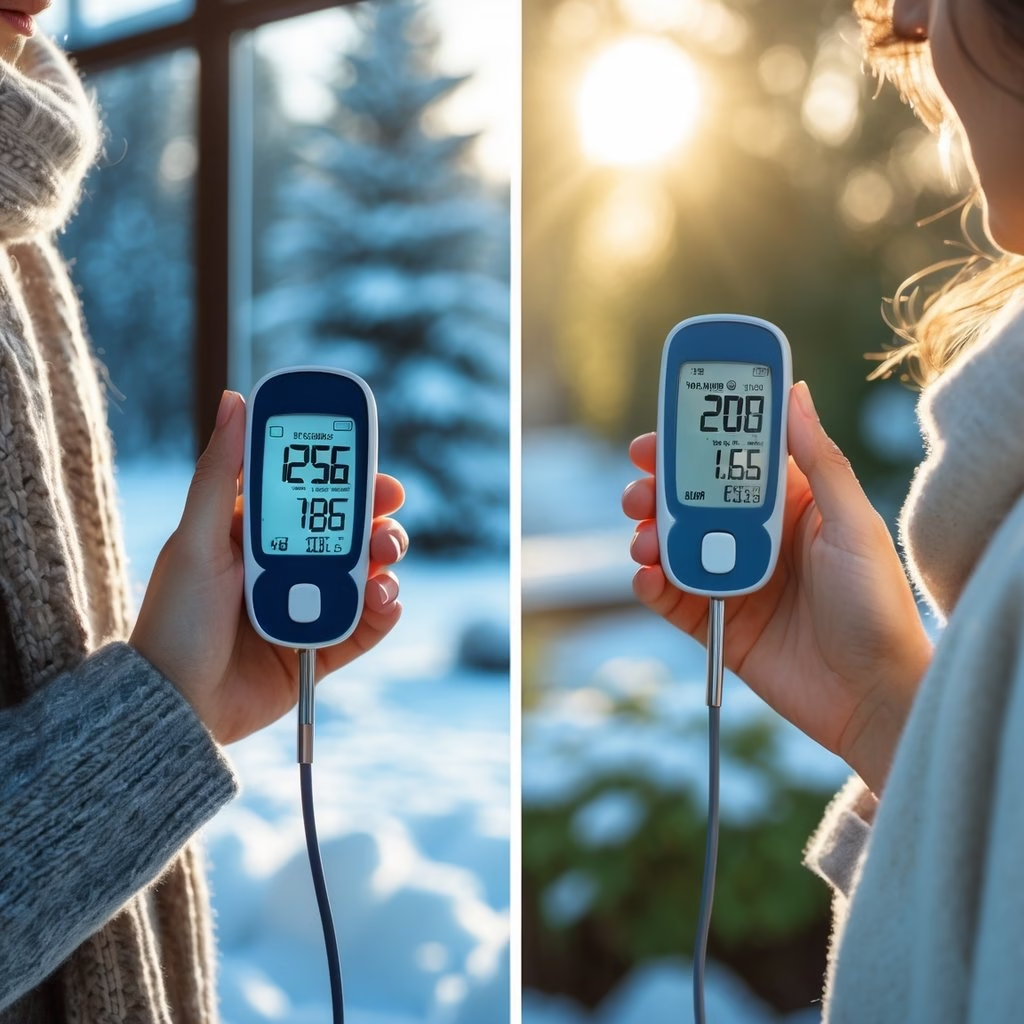

Cold months can make blood sugar harder to control, even if your habits don’t really change. Short days, less movement, and heavier meals quietly push numbers up.
You might spot higher readings and wonder if the season’s to blame.
Yep, blood sugar usually runs higher in winter than in summer. Cold weather can boost insulin resistance and cut down on daily activity.
Research backs this up—higher average levels show up in winter and drop in warmer months, as this overview of why blood sugar spikes more in winter explains.
Winter also brings more stress, illness, and little changes in routine that mess with glucose control.
Key Takeaways
- Blood sugar often rises during colder months
- Winter habits can affect insulin response
- Seasonal changes call for smart adjustments
Understanding the Seasonal Blood Sugar Pattern

Blood sugar levels shift with the seasons. Weather, activity, and daily habits shape your glycemic control in ways that are honestly hard to ignore.
Population Variations and Trends
Big studies show a seasonal pattern in blood sugar levels across all kinds of groups. In most places, average HbA1c rises in winter and falls in summer.
Research on global trends reports that HbA1c values tend to be higher in winter than summer, even if your diet doesn’t change much, as shown in this summary on how hot and cold weather affect blood sugar in diabetes.
Regional climate matters too. A big Indian study found distinct seasonal shifts in HbA1c, with peaks during the monsoon and lower levels in autumn, which is different from what you see in cooler places.
These findings are detailed in a study on seasonal variation of HbA1c levels in diabetic and non-diabetic patients.
Your test results can reflect the season, not just your daily choices. That’s a little frustrating, isn’t it?
Winter Versus Summer Differences
Cold and heat change how your body handles glucose. Winter often raises blood sugar through slower circulation, less activity, and higher insulin resistance.
Summer usually means better blood flow and faster insulin absorption, so readings drop.
Key seasonal differences
| Factor | Winter | Summer |
|---|---|---|
| Physical activity | Lower | Higher |
| Insulin absorption | Slower | Faster |
| Typical blood sugar | Higher | Lower |
Cold weather also messes with hormones and sleep, which pushes glucose higher. Hot weather, on the other hand, can dehydrate you, and that can raise readings if you don’t drink enough.
Endocrinologists talk about these effects in how weather impacts blood sugar.
Even if your habits stay steady, you can expect these shifts. The timing of your check-ins matters.
Why Is Blood Sugar Higher in Winter?

Winter usually means less movement, heavier meals, and changes in sleep and stress. These little shifts hit blood sugar levels, insulin sensitivity, and hormones like cortisol, even if your routine feels pretty much the same.
Reduced Physical Activity and Staying Indoors
Cold weather keeps you indoors. Shorter days and low temps mean you’re not out walking or running errands as much.
When you move less, your muscles use less glucose. That leaves more sugar in your blood, especially after meals.
Even dropping a few hundred steps a day can bump up fasting and post-meal readings. Staying active indoors actually helps offset this.
Try bodyweight exercises, stretching, or quick walks around the house. Experts point to reduced winter movement as a big reason for higher blood sugar, as this overview of why blood sugar spikes more in winter explains.
Diet Changes: Comfort Foods and Holiday Meals
Winter meals tend to have more carbs, fat, and sugar. Comfort foods, festive dishes, and bigger portions are everywhere.
These foods stick around longer in your system and can keep blood sugar up for hours. Late dinners and extra snacking don’t help either.
Cold weather just makes those cravings stronger. Hunger and reward hormones get more active, so high-carb foods are harder to resist.
This pattern shows up even when your calories stay the same, as described in research on winter diabetes and blood sugar rise.
Cold Weather Effects on Insulin Sensitivity
Cold temps can make insulin less effective. Your body gets more insulin resistant, so it’s tougher to move glucose into your cells.
Here’s why this happens:
- Less sunlight drops your vitamin D
- Lower muscle activity slows glucose use
- Inflammation goes up in cold months
Endocrinologists say both hot and cold weather affect glucose control, but winter usually pushes readings higher because of insulin resistance. This is outlined in how weather affects blood sugar.
Stress, Sleep, and Hormonal Factors
Winter messes with sleep. Later sunrises and long nights can throw off your internal clock.
Poor sleep bumps up cortisol, the stress hormone that drives blood sugar higher, especially in the morning. Holiday stress, travel, or getting sick just adds to it.
Cortisol also makes you more insulin resistant and stores more fat around your belly. Over time, these hormone changes make blood sugar tougher to control.
Health experts say winter stress and sleep changes are a big part of seasonal glucose increases, as discussed in blood sugar levels rising in cold weather.
Winter Illnesses and Their Impact
Winter brings more infections and higher physical stress. Both can throw off blood glucose control by raising insulin needs and changing how your body uses glucose.
Immune Function and Infections
Colds, flu, and other winter bugs hit your immune system hard. When you get sick, your body releases inflammatory chemicals to fight it off.
These chemicals make your cells ignore insulin, so blood sugar goes up. Illness also messes with your habits—maybe you eat less, skip meals, or lean on comfort foods.
Activity drops, dehydration creeps in, and all of this can push glucose higher. Here’s what you might notice:
- Higher fasting and post-meal readings
- Unpredictable glucose swings
- More insulin resistance
Winter illnesses can bump up the risk of both high and low blood sugar, making diabetes management trickier, as explained in diabetes in winters and blood sugar management.
Stress Hormones and Glucose Release
Cold weather and illness raise stress hormones like cortisol and adrenaline. These hormones tell your liver to dump stored glucose into your blood.
This response helps short-term, but if stress drags on, blood sugar stays high. Winter often throws off sleep and routines. Shorter daylight and early mornings just add to the stress pile.
Cortisol can stay elevated, especially in the early morning, and that can mean higher fasting glucose. Research shows cold-related stress and infections can swing blood sugar by triggering hormonal changes, as described in how winter stress affects blood sugar levels.
Recognizing Symptoms and Risks of High Winter Blood Sugar
Cold weather can nudge your blood sugar up even if you haven’t changed your diet. Shorter days, less activity, and winter bugs all mess with how your body handles glucose.
Knowing the signs helps you catch issues early.
Common Warning Signs in Cold Weather
High blood sugar often creeps up slowly in winter, so you might not notice at first. You may feel thirstier and need to pee more, especially at night.
That’s your kidneys working overtime to clear out extra glucose. Fatigue is common in winter, but if you’re always tired, it could be high blood sugar.
You might feel hungrier than usual because your cells aren’t getting the energy they need. Some folks get blurred vision—fluid shifts in your eyes can do that.
Dry skin and dehydration show up more in winter too. Cold air already dries your skin, and high blood sugar just makes it worse.
These match the classic symptoms of hyperglycemia described in high blood sugar warning signs.
Overlapping Symptoms with Other Winter Illnesses
Winter illnesses can hide or even worsen high blood sugar symptoms. Colds, flu, and infections raise stress hormones, which push glucose levels higher.
Fever and inflammation might cause blood sugar to climb, sometimes even if you’re eating less than usual.
Many symptoms overlap:
- Fatigue from illness or high glucose
- Headaches from dehydration or elevated sugar
- Frequent urination from fluids or hyperglycemia
Honestly, it’s tough to tell what’s causing what. Seasonal illness can increase your risk of both high and low blood sugar in winter, as mentioned in this diabetes management in winter guide.
Checking and Monitoring Blood Sugar
Regular checks help you catch winter changes before they spiral. Cold weather can bump up fasting blood sugar, even if your meals don’t change much.
Doctors notice these seasonal swings in glucose control all the time, so testing gets even more important in winter.
You should monitor:
- Fasting blood sugar in the morning
- Post-meal readings after your largest meal
- Trends over time, not single readings
If your numbers run higher than usual, talk to your healthcare provider. Periodic lab tests help you track long-term shifts—seasonal rises in blood sugar are real, as explained here: winter blood sugar spikes.
Strategies for Managing Blood Sugar in Winter
Cold weather tends to reduce movement, change eating habits, and mess with sleep. These steps can help you keep blood glucose control by staying active, well-fed, rested, and hydrated through the winter.
Stay Active Indoors for Better Glycemic Control
You can still stay active indoors even when going outside feels impossible. Regular movement helps your insulin work better and keeps blood sugar levels steadier.
Short bursts of activity work well in winter—try 10–15 minutes after meals to limit glucose spikes. Walking in place, some light strength moves, or body-weight exercises all make a difference.
Useful indoor options include:
- Brisk walking in hallways or on stairs
- Resistance bands or dumbbells
- Chair squats, wall push-ups, or planks
- Stretching and mobility routines
Even small changes help. Skipping daily steps can push fasting sugar up, but keeping up with indoor movement supports glycemic control all winter.
Making Healthier Food Choices
Winter meals tend to get heavier, which can raise blood sugar levels. You don’t have to cut out comfort food—just aim for balance.
Build meals around protein, fiber, and healthy fats. These slow digestion and help prevent sharp glucose spikes. Soups with vegetables, lentils, or lean meats work well when it’s cold out.
Focus on:
- Whole grains instead of refined flour
- Cooked veggies like spinach, carrots, and broccoli
- Beans, eggs, nuts, and seeds for protein
- Limited sweets and fried snacks
Comfort foods can stay on your plate. Smaller portions and mindful timing help you keep blood glucose control without ditching favorites.
Managing Stress and Sleep
Winter brings more stress and usually worse sleep, and both raise blood sugar. Stress hormones can push glucose up, even if your diet’s on point.
Lower this effect with simple daily habits. Stick to a steady sleep schedule and shoot for 7–8 hours a night. Less screen time before bed and a cool, dark room help, too.
Stress management makes a real difference for morning glucose. Try:
- Slow breathing for 5 minutes
- Light stretching in the evening
- Short walks during daylight hours
Staying Hydrated and Healthy
Cold weather dulls your thirst, but dehydration can still raise blood sugar. You need regular fluids for good circulation and glucose use.
Sip water often, even if you’re not thirsty. Warm drinks make it easier in winter—unsweetened herbal teas or warm water with ginger work well.
Hydration tips for blood glucose control:
- Drink every 60–90 minutes
- Limit sugary drinks and sweetened tea
- Watch for dry skin or dark urine
Staying hydrated also helps your immune system and digestion, which supports glycemic control during winter.
Tailoring Your Diabetes Management for Every Season
Seasonal changes affect your habits, activity, and how your body uses insulin. You can protect blood glucose by tweaking routines in winter and summer, and by planning for long-term control all year.
Adjusting Treatment Plans and Routines
Cold weather often means less activity and higher insulin resistance, which can push blood sugar up. You might need to check glucose more often in winter or talk with your care team about adjusting doses.
Studies show higher HbA1c in colder months, probably from less movement and hormonal shifts that bump up glucose—see more on winter diabetes care challenges.
Daily habits make a difference. Move indoors—walk, stretch, do some light strength work. Keep meals steady and watch out for big portions of refined carbs, since those can spike your sugar when you’re less active.
In summer, dehydration can push blood sugar up, so drink water regularly. See more on how seasonal changes affect diabetes.
Key routine shifts by season:
- Winter: more glucose checks, plan indoor exercise
- Summer: focus on hydration, store meds safely in the heat
Long-Term Health Considerations
Seasonal swings add up if you ignore them. Repeated winter highs can worsen control and raise your risk of complications.
Tracking patterns across seasons helps you and your provider spot trends early and change your treatment before things get out of hand.
It pays to plan ahead. Schedule A1C tests at the same time each year so you can compare. Build habits that work in any weather, like flexible meal plans and backup exercise options.
Experts say insulin sensitivity drops in cold months, so planning really matters for stable control—see this on why blood sugar rises in winter.
Consistent sleep, stress control, and routine checkups all help you keep blood glucose steady year-round.
Frequently Asked Questions
Blood sugar usually runs higher in winter—lower activity, less sunlight, and changing hormones all play a part. Cold weather can mess with how your body uses insulin and glucose, which makes daily control trickier.
Why does blood sugar levels tend to increase during colder months?
Cold weather means less movement, so your muscles use less glucose. When you move less, sugar hangs around in your blood longer.
Shorter days also mean less sunlight, which can lower vitamin D. Low vitamin D is linked to higher insulin resistance, as explained here: why blood sugar rises in winter.
Can seasonal changes affect diabetes management?
Seasonal changes mess with your routines—meals, exercise, sleep. These shifts make blood sugar harder to predict and control.
Winter also brings more illness and stress, which can push blood sugar up. Medical experts talk about these patterns here: diabetes and seasonal changes.
Is there a difference in insulin sensitivity between summer and winter?
Your body usually responds better to insulin in summer. Warm weather supports more activity and better blood flow.
In winter, insulin sensitivity drops. Research on how cold weather raises insulin resistance explains how hormone shifts and slower metabolism factor in.
What strategies can help manage blood sugar fluctuations throughout the seasons?
You can manage seasonal swings by keeping meal timing consistent and tracking blood sugar more often. Small tweaks help you spot patterns early.
Health experts recommend staying active indoors and adjusting your care plan as needed—see these winter blood sugar control tips.
How does activity level in winter compare to summer in relation to blood glucose control?
People usually walk and exercise less in winter. Even a small drop in daily steps can make insulin sensitivity worse.
Lower activity means muscles burn less glucose. That’s why so many people see higher readings in colder months, according to endocrinologists on weather and blood sugar.
Does cold weather affect how the body processes glucose?
Cold temperatures push the body to release more glucose in an effort to stay warm. This can bump up your blood sugar, especially if your insulin doesn’t work as well in the cold.
Experts often mention this seasonal effect when they talk about how winter impacts blood sugar levels.