
You check your blood sugar at home and see normal numbers, but then your lab report comes back high. That’s not as rare as you might think—lab tests measure glucose under strict conditions or over a longer stretch, while your home meter just grabs a quick snapshot and might miss hidden spikes or trends that sneak up over time.
That gap? It can be pretty confusing, especially if you trust what you see every day.
Home testing depends on timing, your technique, and the quirks of your device. Lab tests, on the other hand, factor in fasting and longer averages like A1C.
Stress, recent meals, illness, or even a slightly off meter can widen the gap between results. Your home readings still matter—they just don’t tell the whole story.
Key Takeaways
- Home readings show a quick glimpse, while lab tests dig into the bigger patterns.
- When and how you test usually explains why results don’t match up.
- High lab values sometimes point to risks that daily checks miss entirely.
Understanding Normal Sugar at Home vs. High in Lab Test
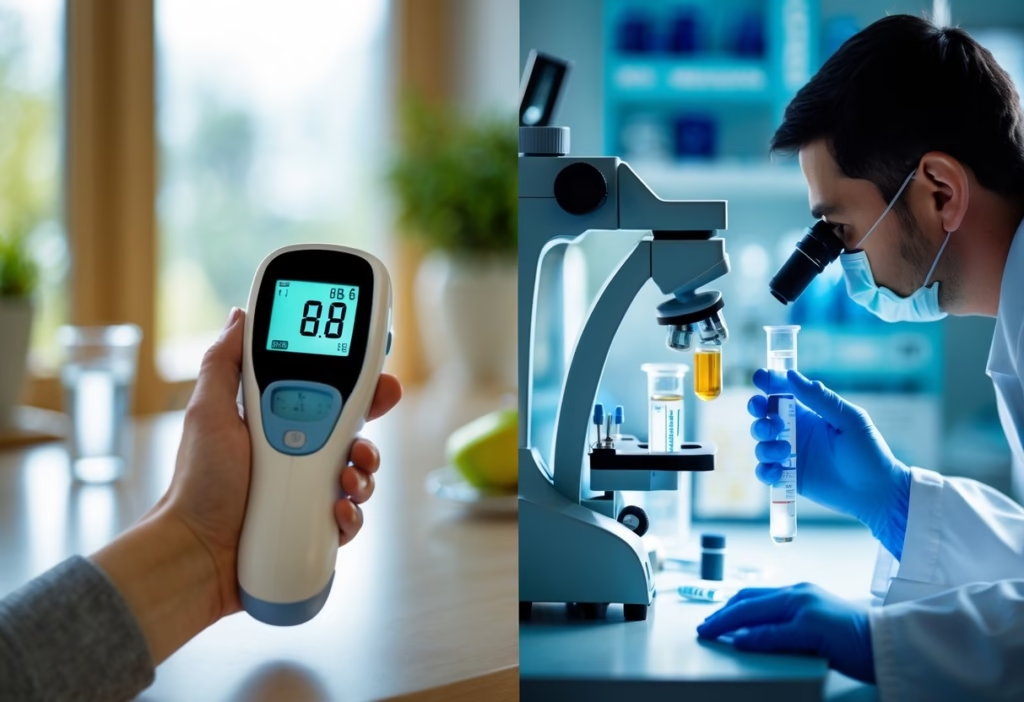
You might see normal numbers at home but then get a higher value from a lab. Usually, that comes down to what each test measures, when you take it, and even just your body’s own day-to-day swings.
Defining Blood Sugar and Blood Glucose Levels
Blood sugar and blood glucose levels both mean the amount of glucose floating around in your blood at any given time. Glucose fuels your body, and insulin helps move it from your blood into your cells.
When you check blood sugar at home, you’re usually pricking your finger and measuring capillary blood. That gives you a real-time number, but it’s shaped by your last meal, your stress, your meds, or even whether you just exercised.
Lab tests use venous blood and controlled conditions. They might look at fasting glucose or A1C, which shows your average blood sugar over about three months. The CDC says these tests are for diagnosis and long-term monitoring, not capturing every little change.
Differences Between Home and Lab Results
Home and lab results don’t match up because they have different jobs. Home meters give you quick, easy checks, while labs chase accuracy and diagnoses.
Some main differences:
- Sample type: Home uses capillary blood; labs use venous blood.
- Timing: At home, you test whenever; labs schedule you for fasting or specific times.
- Accuracy range: Home meters can be off by 10–15%.
Other stuff matters, too. Hot or cold weather, expired strips, or a slip in your technique can throw off a home reading. Labs cut down on those errors by using top-notch equipment and strict routines.
If you want a deeper dive, check out this comparison of home vs. lab blood sugar testing. When you see normal sugar at home but high in a lab, it’s usually about how the tests work—not a sudden health crisis.
Normal Blood Sugar Ranges
Knowing normal blood sugar levels helps you make sense of both test results. Different tests and timings have their own “normal.”
| Test Type | Normal Blood Sugar |
|---|---|
| Fasting blood glucose | Below 100 mg/dL |
| 2-hour post-meal | Below 140 mg/dL |
| A1C | Below 5.7% |
These numbers match up with what the big medical groups recommend. As explained here: blood glucose levels and what they mean, a single high lab value doesn’t always mean you have diabetes.
Home Blood Sugar Testing: Methods, Accuracy, and Limitations
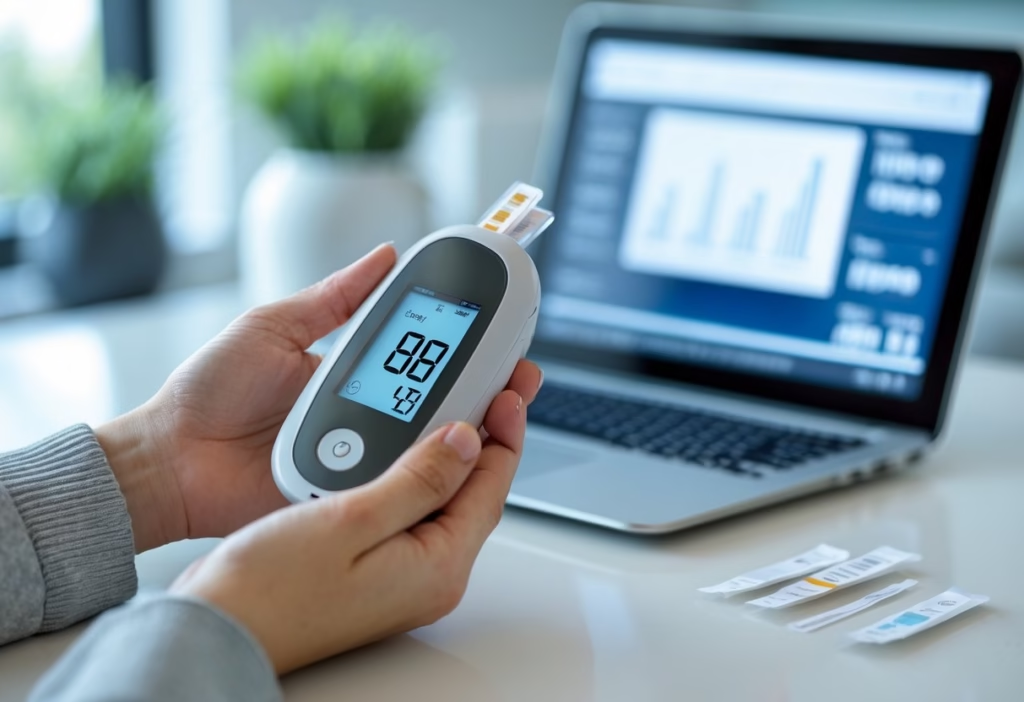
Home testing shows you how your glucose changes from day to day. That’s why your at-home numbers can look different from lab values.
Devices aren’t all the same—each one measures glucose differently, has its own quirks, and can get thrown off by stuff you might not expect.
How Glucose Meters Work
A glucose meter checks sugar in a tiny drop of blood from a fingerstick. You put the blood on a strip, and the meter spits out a number in seconds.
Most home meters use capillary blood, not the venous blood labs prefer. That alone can make numbers shift. A blood sugar test at home also just shows what’s happening at that exact moment—right after a meal, a walk, or a stressful phone call.
A continuous glucose monitor (CGM) works differently. It tracks glucose in the fluid under your skin, updating every few minutes. CGMs are great for spotting trends, but they can lag behind blood values, especially if your sugar’s moving fast. If you’re curious, here’s more about home blood sugar tests.
Common Errors with Home Testing
Technique, timing, or device limits can make home readings drift away from lab results. Most glucose meters allow for about a 10–15% margin of error in the real world.
Some common issues:
| Issue | How it affects readings |
|---|---|
| Unwashed hands | Residue bumps up the numbers |
| Old test strips | Numbers might drop or bounce around |
| Poor circulation | Readings can look too low |
| Temperature extremes | Sensor gets weird |
If you test after eating, working out, or during stress, your numbers often run higher than a fasting lab test. CGMs can add another wrinkle, since interstitial glucose changes more slowly than blood glucose. Medical guides like this one on home blood sugar testing accuracy say sticking to a steady technique helps cut down on weird results.
Advantages of At-Home Monitoring
At-home monitoring gives you tons of data you’d never get from a lab. You can see how that pizza, your new meds, or an evening walk actually shift your numbers within hours.
If you check daily, you’ll catch patterns—like morning jumps or after-dinner spikes. A CGM makes it even easier to spot overnight swings or fast changes that fingersticks just can’t catch. Here’s a good resource on testing blood sugars at home with meters and CGMs if you want to dig deeper.
Bringing logs or CGM reports to your doctor helps explain why your lab numbers might run higher, even when your daily readings look pretty normal.
Lab Blood Sugar and A1C Tests: Procedures and Significance
Lab tests measure blood sugar under tight controls and can reveal patterns that home checks just don’t catch. Sometimes, that’s how you find out your at-home numbers don’t tell the whole story.
Standard Laboratory Glucose Tests
In a lab, a blood glucose test uses plasma for more precise results than most home meters. Timing and prep matter a lot—if your doctor orders a fasting blood sugar test (or fasting plasma glucose, FPG), you need to skip calories for at least 8 hours. Otherwise, your number might come out high for no good reason.
Doctors might also go for a random blood sugar (RBS) test if you have symptoms, or a glucose screening test during a checkup. The oral glucose tolerance test (OGTT) is another option—it checks how your body handles sugar over time after you drink a glucose solution. Sometimes, that’s the only way to catch trouble if your fasting numbers look fine.
Things like stress, illness, lack of sleep, or a recent meal can nudge your lab glucose up for a bit, which helps explain why home and lab numbers don’t always match.
A1C Test and Long-Term Blood Sugar Control
The A1C test (or hemoglobin A1C) measures how much sugar sticks to your red blood cells. Since those cells live about three months, this test shows your average blood sugar over that stretch—not just today’s ups and downs.
You don’t need to fast for A1C, and it doesn’t swing with a single meal or a bad day. The CDC explains that the test tells you the percentage of sugar-coated hemoglobin in your blood, which helps track long-term control and risk (A1C test explained by the CDC).
It’s possible to have normal home readings but a high A1C if your blood sugar spikes after meals or during the night. Stuff like anemia, kidney disease, or recent blood loss can also mess with the results.
Diagnostic Criteria for Diabetes and Prediabetes
Doctors use specific lab cutoffs to diagnose diabetes and prediabetes. The A1C test sorts results as normal, prediabetes, or diabetes using set ranges you’ll find in most clinical guides (A1C diagnostic ranges from NIDDK).
For glucose tests, diagnosis might depend on:
- FPG after fasting overnight
- OGTT two hours after drinking glucose
- RBS if you’re having symptoms
Sometimes, especially in younger adults, doctors add an autoantibody test to look for autoimmune causes. One abnormal test doesn’t always mean diabetes—they usually want to repeat it or combine results to be sure.
Causes of Discrepancies Between Home and Lab Blood Sugar Results
Honestly, it’s pretty common to see differences between your home and lab blood sugar results. Most of the time, it comes down to how you collect blood, what’s going on in your body at the moment, and how each device actually measures glucose.
So, blood sugar might look normal at home but spike higher in the lab. That’s not always a reason to panic.
Pre-Analytical and User Factors
The way you test at home makes a big difference. Home meters grab capillary blood from your fingertip, while labs use venous blood from your arm and fancy equipment.
Even small technique slip-ups can nudge your readings. If you test after a walk, don’t fast fully, or pick a random time, your home numbers might drop compared to a fasting lab draw.
Common user-related causes include:
| Factor | Effect on Results |
|---|---|
| Not fully fasting | Home value appears lower |
| Testing after movement | Glucose drops temporarily |
| Inadequate hand cleaning | Can falsely raise or lower readings |
| Strip handling errors | Adds random variability |
Home meters have a built-in margin of error, usually within 15% of lab values, as you’ll see in this glucometer vs. lab glucose explanation.
Physiological Differences
Your body doesn’t spread glucose evenly everywhere at once. Capillary blood, like from your finger, often shows what your muscles just used, while venous blood reflects what’s left after tissues absorb glucose.
Walk up the stairs or get stressed before testing, and your muscles might soak up more glucose, dropping the home reading. The lab, though, usually samples after you’ve been sitting for a while, so blood sugar can run higher there.
Hematocrit matters too. If you’re low on red blood cells, your meter might read lower than the lab. Dehydration can push lab glucose up. These shifts aren’t failures—they just reflect timing and how your blood’s circulating.
Medication, Illness, and External Influences
Timing of diabetes meds is a biggie. Sometimes, short-acting insulin or pills peak right when you test at home but fade before your lab draw.
Feeling sick? Acute illness, infections, or inflammation can spike stress hormones, raising your lab numbers even if home readings looked fine earlier.
Other contributors include:
- Steroids or diuretics, which raise blood sugar
- Hormonal changes, especially early morning surges
- Ketones, which can mess with glucose use during illness
Environmental and Technical Considerations
Environmental stuff messes with both methods, just in different ways. Home meters react to temperature, humidity, and how you store strips. Labs keep those things tightly controlled.
Cold fingers slow blood flow and can lower your meter’s reading. Expired or heat-damaged strips might underreport glucose and not even warn you.
Labs aren’t perfect either—there’s still some wiggle room in their results, even with strict standards. Mayo Clinic talks more about this in their blood glucose monitor accuracy guide.
Implications: What High Lab Results May Indicate
When your lab numbers run high but home checks look normal, it’s usually about timing, measurement quirks, or sometimes underlying metabolic changes.
Prediabetes and Diabetes Risk
If your lab shows a high A1c or glucose but your home meter seems fine, prediabetes is often the culprit. A1c measures your average over months—so even if fasting readings are normal, a few big post-meal spikes can push that lab value up. Over time, this can mean a higher risk of type 2 diabetes.
Sometimes, early autoimmune changes in type 1 diabetes cause numbers to swing. During pregnancy, gestational diabetes might only show up on lab screens. Watch for signs of high blood sugar like frequent urination and thirst.
Common lab indicators
| Test | What it suggests |
|---|---|
| A1c 5.7–6.4% | Prediabetes |
| A1c ≥6.5% | Diabetes |
| Normal fasting, high A1c | Post‑meal spikes |
Labs can catch patterns your meter just misses—see more in this normal glucose with high A1c overview.
Secondary Causes: Stress, Illness, and Other Disorders
Short-term stress hormones can nudge your glucose up during illness, surgery, or even after a rough night’s sleep. Infections, pain, or dehydration sometimes push labs higher, even if your daily checks don’t budge. Steroids and some meds do the same.
It’s not just diabetes, either. Hyperthyroidism speeds up metabolism and can bump up glucose turnover. Pancreatitis messes with insulin, so you get swings between hyperglycemia and hypoglycemia. If insulin drops too low, you could end up with diabetic ketoacidosis, which is a medical emergency.
Lab timing matters too. A fasting draw isn’t the same as a random test, and labs use standardized methods to avoid the user errors that happen at home. The Cleveland Clinic’s blood glucose test guide has more on this.
When to Seek Medical Advice
It’s time to call your doctor if labs keep coming back high, symptoms pop up, or you notice ongoing conflicts between readings. Don’t wait if you have excessive thirst, frequent urination, unexplained weight loss, nausea, or confusion.
Your provider might order more tests, like an oral glucose tolerance test or short-term continuous monitoring, to track daily spikes. They’ll want to know about your meds, recent illnesses, or pregnancy. The CDC diabetes testing guidance lays out the steps.
Next Steps: Monitoring, Management, and Prevention
If your home readings look fine but labs are high, don’t just shrug it off. You’ll want to confirm results, tighten up habits, and work with your care team to lower diabetes risk and avoid missing a diagnosis.
When to Repeat or Confirm Tests
Repeat tests if you get conflicting results—especially if you have diabetes risk factors like family history, excess weight, or past gestational diabetes. Ask for a repeat fasting glucose, A1C, or an oral glucose tolerance test at a certified lab.
Home checks still matter. Stick to the same technique and timing, and look for trends—not just one-off numbers. The blood sugar monitoring recommendations can help.
If labs stay high, talk about diabetes screening schedules and what counts as abnormal per the American Diabetes Association. Bring a log of dates, meals, meds, and symptoms to help sort out the differences.
Healthy Lifestyle Strategies
Small daily choices can explain mismatched readings. Go for a healthy lifestyle and set specific goals:
- Meals: Load up on fiber-rich veggies, lean protein, and healthy fats like olive oil and nuts. Try to skip refined carbs at dinner—they tend to mess with morning labs.
- Activity: Shoot for 150 minutes a week of moderate exercise, plus resistance training twice weekly.
- Sleep and stress: Crummy sleep and stress can raise glucose, even if you eat well.
If labs confirm it, lifestyle changes are still the first step for diabetes management. Sometimes you’ll need meds like metformin, too. Want to spot high glucose? There’s some handy advice on recognizing and addressing hyperglycemia. Consistency beats intensity every time.
Working with Healthcare Professionals
Get your care team on the same page early. Your main doctor can help set up a testing plan and figure out medication timing. If numbers stay weird or they suspect insulin resistance, ask for an endocrinologist referral.
A registered dietitian can fine-tune your carb intake and meal timing to help stabilize labs. It’s smart to review if meds, supplements, or recent illness skewed your results.
If things escalate, talk openly about options—including when insulin therapy makes sense and how to fit it in with home checks. The clinical blood sugar monitoring guidance covers this. Keep up with follow-ups to tweak your plan as you go.
Frequently Asked Questions
Why do home and lab glucose numbers not always match? It’s usually about testing conditions, biological quirks, and measurement methods. Stress, meal timing, device accuracy, and fasting rules can all nudge results by a good amount.
What factors could cause a discrepancy between at-home glucose readings and lab test results?
Labs use controlled methods, but home meters depend on capillary blood and your technique. It’s not weird to see a 10–15% difference, especially if strips are expired or your hands aren’t clean. This matches what you’ll find in home glucose testing vs. lab testing comparisons.
Hydration, exercise, and even minor infections can also push lab values up, even if your home checks seem steady.
How can stress affect blood sugar levels during a medical test?
Acute stress kicks up your cortisol and adrenaline, making your liver dump extra sugar into your bloodstream. That can spike your blood glucose, so you might see a higher lab value than you’d expect, even if your home numbers look fine most days. Clinical guidance on hyperglycemia diagnosis and triggers covers this pretty well.
Travel stress, fear of needles, or just a bad night’s sleep before your test can make this even worse. It’s honestly kind of unfair, right?
In what ways might the timing of meals impact glucose test outcomes?
If you eat too close to your test, especially carbs or sugar, your glucose can shoot up. Even tiny snacks or a sweet drink can mess with your results, which is why timing really matters for a blood glucose test and how results are interpreted.
High-fat meals or slow digestion can push your glucose peak later than you’d expect. That can throw off your test if the timing’s off.
Could discrepancies in blood sugar readings be linked to the use of different testing devices?
Absolutely. Different devices use their own methods and have different tolerances. Home meters focus on convenience, while labs go for plasma glucose analysis—there’s a good breakdown in how hyperglycemia is diagnosed.
Calibration and whether you’re testing whole blood or plasma can create obvious gaps between your numbers. It’s kind of frustrating, but it’s just how the tech works.
What are the standard protocols for fasting before a glucose test?
You usually need to fast for at least 8 hours before a fasting blood glucose test. During that time, stick to water and avoid food or other drinks, just like the CDC guidance on diabetes testing suggests.
If you take medications, supplements, or eat late at night, talk to your clinician first. Those things can mess with your results.



Pingback: Foamy Urine in Diabetes: Causes, Symptoms, and What to Do - Pharma Heals