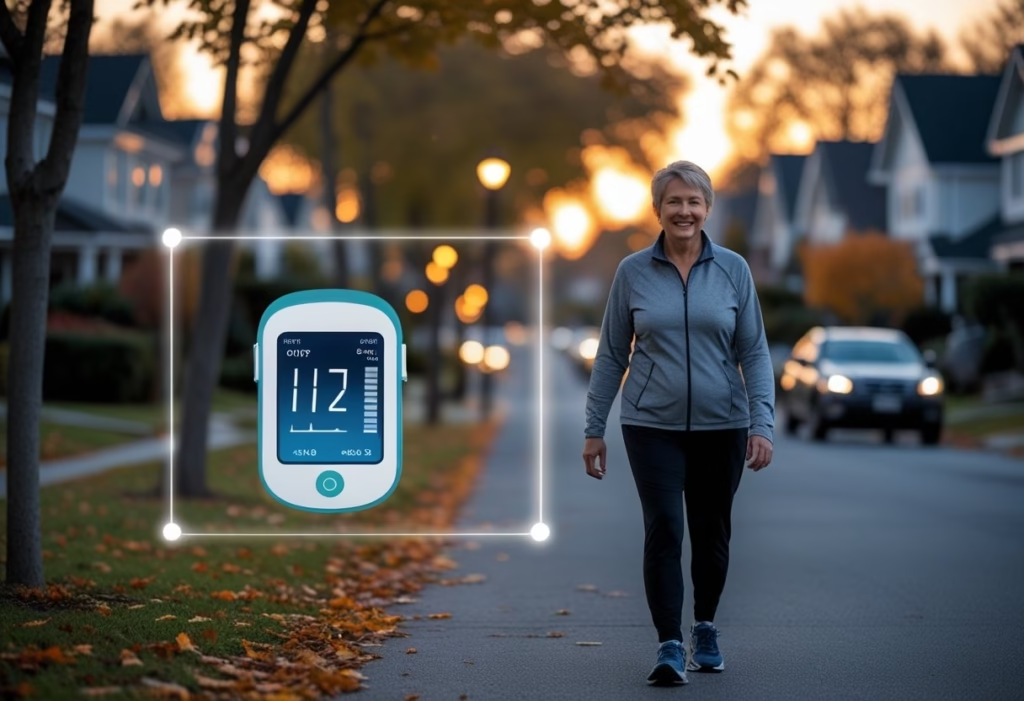

You take an evening walk to steady your blood sugar, then check your levels—only to see them climb. That moment? It’s confusing and honestly, a little frustrating.
You’re not alone. The reason’s actually simpler than you might think.
Blood sugar can increase after an evening walk because your liver releases stored glucose when exercise, stress hormones, or low insulin levels signal a need for quick energy. This often happens later in the day, when meals, medication timing, and natural hormone shifts change how your body handles glucose.
Even light walking can trigger this effect under the right conditions.
Once you get why this happens, you can make small changes that work with your body. Knowing how timing, food, and intensity affect your levels lets you walk with more confidence and fewer surprises.
Key Takeaways
- Walking can raise blood sugar when hormones trigger glucose release.
- Evening timing can change how your body responds to activity.
- Small routine changes can improve blood sugar control.
Understanding Blood Sugar Responses to Walking
Your blood sugar can rise during or after an evening walk because of hormone release, muscle demand, and when you last ate or took medication. The type of walking you choose and when you check your levels also shape what you see on your meter.
Physiological Mechanisms of Blood Sugar Fluctuation
When you start walking, your heart rate climbs and your body wants fast energy. Your liver jumps in, releasing stored glucose into your blood.
This response can cause a short-term rise, even though walking helps with blood glucose control over time.
Heat, stress, and dehydration can boost this effect. Evening walks often follow a long day, and stress hormones like cortisol rise. These hormones push more glucose into your blood.
Doctors point out that blood sugar might rise at first because the liver releases glucose during exercise, then fall as muscles use it. This pattern shows up in people with and without diabetes, as explained in reporting on why blood sugar spikes after walking.
Differences Between Aerobic and Anaerobic Activities
Not all walking hits your blood sugar the same way. Pace and effort matter a lot.
| Activity type | Example | Typical blood sugar response |
|---|---|---|
| Aerobic | Steady, brisk walk | Gradual drop after an early rise |
| Anaerobic | Fast walking, hills | Short-term spike more likely |
Aerobic walking lets muscles pull glucose from your blood. That supports blood sugar control, especially when you keep a steady pace.
Faster or uphill walking acts more like anaerobic exercise. Your body releases more glucose to keep up. Articles explaining why blood sugar goes up after you start walking break down this response well.
Immediate Versus Delayed Blood Glucose Changes
Timing changes what you see on a glucometer or continuous glucose monitor. Right after you start walking, your reading might rise for 10 to 20 minutes.
Later, your muscles keep using glucose to refill energy stores. That process can lower your blood sugar hours after the walk.
Evening walks may show delayed drops during sleep, especially if you took insulin or skipped a snack.
A continuous glucose monitor helps you track these patterns before, during, and after activity. Short walks after meals can also blunt post-meal spikes, as seen in research on the benefits of a 10-minute walk after eating.
Why Blood Sugar May Rise After an Evening Walk
An evening walk can raise blood sugar for short periods because of how your body manages energy late in the day. The liver releases glucose, hormones shift, and meal timing changes how your muscles use sugar.
Liver Glucose Release During Physical Activity
When you start an evening walk, your body wants quick energy. Your liver releases stored glucose into your blood, fueling your muscles, even during light activity.
If you check your levels soon after walking, you might see a rise before they drop. This pattern shows up more often at night, when your circadian rhythm is winding your body down for rest instead of activity.
Light activity tends to lower sugar later, but timing really matters. Research on evening blood sugar changes after light activity shows this rise usually doesn’t last.
What to know
- The liver releases glucose early in the walk
- Levels often drop within 30–60 minutes
- Nighttime responses can differ from daytime ones
Hormonal Responses Including Cortisol and Adrenaline
Exercise triggers stress hormones, even if your evening walk feels pretty chill. Adrenaline tells your liver to pump out more glucose. Cortisol can also rise, especially if you walk fast or feel rushed.
These hormones reduce insulin sensitivity for a bit. Your cells react slower to insulin, so glucose hangs out in the blood longer. That’s why intense or late exercise sometimes raises readings.
Medical groups point out that high-intensity activity can raise glucose due to adrenaline release, as explained in guidance on exercise-related blood sugar rises.
Hormone effects at a glance
| Hormone | Action | Blood Sugar Effect |
|---|---|---|
| Adrenaline | Signals fast energy | Raises |
| Cortisol | Reduces insulin response | Raises |
Timing of Exercise Relative to Meals
Exercise timing really matters in the evening. Walking soon after dinner means your blood already has glucose from food. Your liver might still add more, causing a higher reading.
If you walk later, insulin sensitivity can drop as part of your circadian rhythm. That makes it harder for muscles to pull glucose from your blood.
Doctors often see brief spikes when people walk after meals, followed by gradual drops. Reports on why blood sugar goes up after walking describe this pattern well.
Helpful timing tips
- Walk 15–30 minutes after meals for steadier drops
- Avoid very intense pace late at night
- Check levels again after one hour, not right away
Effects of Exercise Timing on Blood Glucose Control
Exercise timing shapes how your body uses glucose before, during, and after activity. A morning walk, an evening walk, and walking after meals each affect blood sugar in different ways because hormones, digestion, and insulin sensitivity change across the day.
Comparison of Morning and Evening Walks
A morning walk usually happens when blood sugar already runs higher because of normal hormone release after waking. This effect—sometimes called the dawn rise—can limit how much glucose drops during early exercise.
Some people even see a short-term increase, especially with faster or longer walks.
An evening walk happens when your body’s processed food and stress hormones are usually lower. Research on exercise timing and blood glucose changes shows that afternoon or evening activity often leads to steadier glucose during and after exercise.
Key differences you may notice:
| Factor | Morning Walk | Evening Walk |
|---|---|---|
| Starting glucose | Often higher | Often lower |
| Hormone impact | Stronger | Milder |
| Post-walk trend | Mixed | More stable |
Benefits of Walking After Meals
Walking after meals directly targets the post-meal glucose rise. Blood sugar usually peaks about 60–90 minutes after eating, and light movement helps muscles absorb glucose during that window.
Clinical guidance on post-meal exercise and blood sugar control shows that short walks can reduce these spikes.
You benefit most when you walk within an hour after your biggest meal. Even 20–30 minutes at a steady pace can make a difference. This timing matters more than speed.
- Large meals raise glucose more than small meals.
- Evening meals often contain more carbohydrates.
- Walking soon after eating limits how high glucose climbs.
If you wait too long to walk, glucose may rise first and fall later—which can look like a post-walk increase.
Insulin Sensitivity Throughout the Day
Insulin sensitivity shifts from morning to night. You usually respond less to insulin early in the day and more effectively later on.
Studies summarized in guidance on best time of day to exercise for blood sugar say evening activity often improves how your cells take in glucose.
But if you crank up the intensity or tackle hills, stress hormones can kick in. The American Diabetes Association explains in exercise-related blood sugar rises that adrenaline can push glucose into your blood, even when insulin sensitivity is high.
You can reduce this effect by:
- Keeping a moderate pace
- Staying hydrated
- Avoiding big carb snacks right before walking
These choices shape whether your blood sugar drops, stays steady, or spikes for a bit after an evening walk.
The Role of Pre-Meal and Postmeal Walks in Glycemic Control
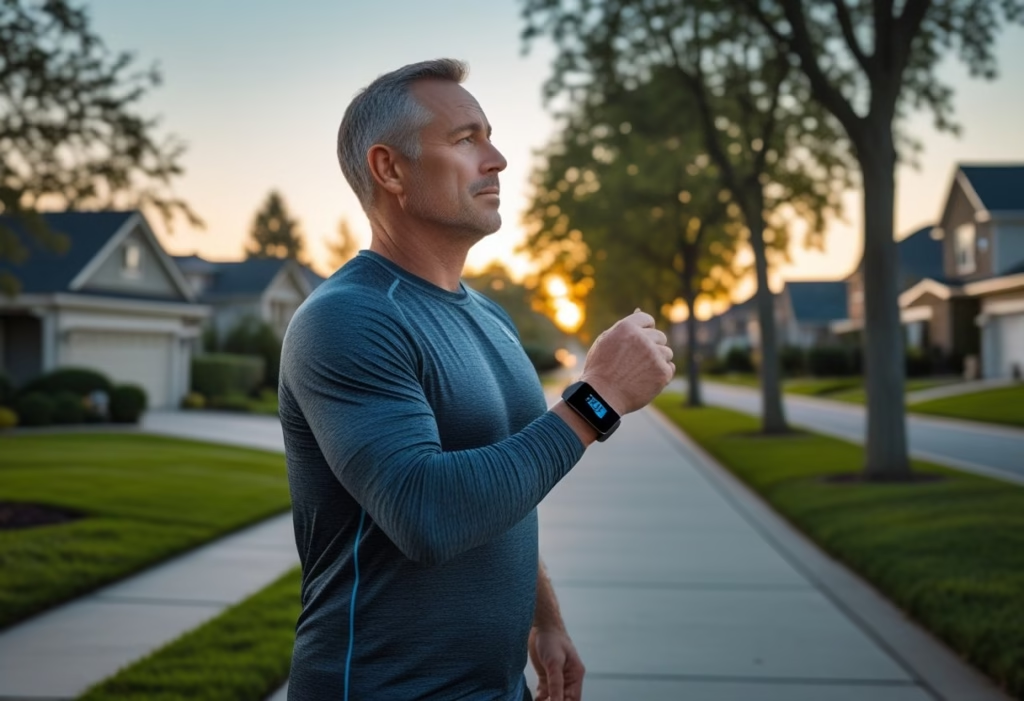
The timing and length of your walks really change how your body handles sugar after you eat. Walking after meals targets postprandial glucose.
Longer or poorly timed exercise can actually raise blood sugar for a short time. That’s not what most people expect, right?
Impact of Postprandial Glucose on Blood Sugar Levels
Postprandial glucose means the rise in blood sugar that hits after you eat. This bump matters most in the evening, when insulin action tends to slow down.
A postmeal walk helps your muscles pull glucose from your blood without needing much insulin.
Research shows that walking after meals works best when you start soon after eating. A large review found that exercise done right after a meal lowers postprandial glucose more than walking before food or waiting too long, especially for people with insulin resistance or type 2 diabetes.
This effect appears strongest with light to moderate walking, not intense exercise. You can read more about how walking soon after meals reduces postprandial glucose spikes in this review on PubMed: https://pubmed.ncbi.nlm.nih.gov/36715875/.
If you walk later in the evening or push the pace, stress hormones tend to rise. That reaction may explain why your blood sugar sometimes goes up after an evening walk.
Short Walks Versus Extended Exercise Sessions
Short walks often beat long workouts for controlling blood sugar after meals. Even a 10-minute walk can lower the glucose peak when you do it right after eating.
A controlled study showed that a brief postmeal walk improves glucose response across different meal types: https://www.mdpi.com/2072-6643/14/5/1080.
Longer or harder sessions can bump blood sugar up for a bit, especially at night. Your liver releases extra glucose to fuel the effort.
| Walking style | Typical effect on blood sugar |
|---|---|
| 5–15 minute postmeal walk | Lowers postprandial glucose |
| 30+ minute or intense walk | May raise glucose short term |
| Delayed evening walk | Less benefit, possible spike |
A Nature study also found that a 10-minute walk immediately after eating improves glucose control better than waiting: https://www.nature.com/articles/s41598-025-07312-y.
Influence of Diet, Medication, and Activity Schedule
Your evening blood sugar can rise after a walk because of what you ate, how your medication works, and when you move. These pieces affect insulin sensitivity and blood sugar control, especially late in the day.
How Evening Meal Composition Affects Glucose Response
What you eat before your walk matters. In the evening, your body doesn’t respond as well to insulin, which can push glucose up after activity.
Big dinners, refined carbs, and high fat can slow down digestion and push glucose higher later, even after you walk. A mixed meal can cause a delayed rise because fat slows how fast your stomach empties.
This effect shows up after activity when glucose finally hits your blood.
Common meal effects before an evening walk
| Meal part | Effect on blood sugar |
|---|---|
| Refined carbs | Fast rise before or after walking |
| High fat | Delayed, longer rise |
| Fiber and protein | Slower, steadier response |
Late eating patterns often drive evening highs, as explained in research on why blood sugar runs high in the evening.
Medication Action Curves and Exercise Mismatch
Medication timing can clash with your walk. Rapid insulin may peak too early or too late, which leaves glucose unmanaged during or after activity.
Oral meds taken in the morning may wear off by evening. If insulin acts before glucose enters your blood, your liver may release stored glucose during the walk, raising your levels after you stop moving.
Low or mistimed basal insulin can add to this effect by letting glucose leak out steadily. Tracking readings before dinner, after walking, and at bedtime helps you spot patterns.
This kind of tracking supports safer blood sugar control without guessing.
Interplay of Physical Activity Guidelines and Daily Life
Walking usually lowers glucose, but timing is everything. After dinner, your muscles compete with digestion for glucose use.
A short walk might not offset a big or late meal. General physical activity guidelines for diabetes management recommend regular movement, but let’s be honest—life often pushes walks to late evening.
Stress, dehydration, and fatigue can also reduce insulin sensitivity at that time. Light movement still helps, as noted by guidance on how activity affects blood glucose levels.
You may need a longer or earlier walk, smaller dinners, or adjusted timing to fit your routine.
Common Misconceptions and Safety Tips
Blood sugar changes after an evening walk can really throw you, especially when your readings go up instead of down. Getting clear on low blood sugar risk, safe monitoring, and steady habits can help you respond with more confidence.
Understanding Hypoglycemia After Walking
Lots of people think a blood sugar rise after a walk means the activity didn’t work. That’s not always true.
When you walk in the evening, your body may release stored glucose to prevent hypoglycemia, especially if you walked after a long gap since your last meal. If you use insulin or certain diabetes meds, your risk of hypoglycemia goes up.
Your body might fight this drop by releasing glucose from your liver, bumping your reading up after exercise. This response often explains why numbers climb 30–90 minutes after you stop moving.
Don’t ignore low blood sugar symptoms. Watch for shakiness, sweating, or sudden hunger.
Use a glucometer or continuous glucose monitor to check instead of guessing. Evening walks still help your health, even if the numbers seem weird for a bit.
Safety Measures for Blood Sugar Monitoring
Check your blood sugar with purpose, not just whenever. Timing makes a difference in the evening, when insulin sensitivity drops.
Try this simple guide:
| When to Check | Why It Helps |
|---|---|
| Before walking | Sets a safe starting point |
| Right after walking | Shows immediate effect |
| 1–2 hours later | Reveals delayed rise or drop |
A continuous glucose monitor helps you spot delayed spikes without all the finger sticks. If you use a glucometer, jot down the time, what you did, and what you ate.
Stay hydrated and skip intense walks on an empty stomach. If evening highs happen a lot, review patterns with your clinician instead of making sudden changes.
Importance of Consistent Activity for Long-Term Health
One walk doesn’t control blood sugar on its own. Your body responds better when you keep a steady routine each week.
Inconsistent activity can cause uneven glucose responses, especially at night. Even short, moderate walks help your muscles use glucose more efficiently over time.
This effect reduces insulin resistance, even if some numbers go up briefly. According to research on evening hyperglycemia and activity patterns, late-day metabolism just moves slower, not worse.
Focus on trends, not single numbers. Use your monitoring tools to guide small, steady tweaks. Consistency protects your long-term health way more than chasing perfect nightly readings.
Personalizing Your Walking Routine for Optimal Blood Sugar Management
Your blood sugar response to walking depends on when you walk, how hard you walk, and how your body reacts. Small changes in timing, intensity, and tracking can explain why blood sugar rises after an evening walk—and help you manage it.
Adapting Walk Timing and Intensity
You need to match your walk timing and pace to your daily blood sugar pattern. Evening walks sometimes raise blood sugar because stress hormones stay higher later in the day, especially after dinner or a long workday.
A slow, casual stroll might not lower glucose if you start with high post-meal levels. A 10–15 minute brisk walk after meals usually works better than a longer, low‑effort walk later at night.
This approach helps reduce post-meal spikes and supports digestion, as shown in guidance on walking for blood sugar control.
Follow basic physical activity guidelines by aiming for steady movement most days. Adjust your pace using this simple guide:
| Intensity | Breathing | Effect on Blood Sugar |
|---|---|---|
| Easy | Normal | May have little impact |
| Moderate | Faster, can talk | Often lowers glucose |
| Hard | Short phrases | Can raise glucose short term |
Tracking Responses with Technology
You get way better results when you actually track how your body responds. A continuous glucose monitor shows real-time changes before, during, and after your walk.
This kind of data helps you catch patterns that finger checks just don’t show. For instance, maybe your blood sugar rises during late evening walks but drops after quick post-dinner strolls.
That kind of insight lets you tweak exercise timing instead of just guessing. Some folks swear by post-meal walks for glucose control, which you’ll see covered in this article on walking and blood sugar.
Try tracking these details for at least a week:
- Start and end glucose levels
- Walk time and duration
- Pace and perceived effort
- Meal timing before walking
Consistency Versus Timing in Physical Activity
It’s easy to obsess over the “perfect” time to walk, but honestly, consistency beats timing every time. Regular daily movement boosts insulin sensitivity, even if some walks cause a brief glucose bump.
Most diabetes pros agree your body appreciates walking at any time—so long as you stick with it. Morning, evening, after meals—whatever fits your life, as suggested in this guidance on best times to walk.
Aim for at least 7,000 steps per day. Break it up as needed. Consistent movement really does build long-term control, even if an individual walk doesn’t drop your glucose right away.
Frequently Asked Questions
Blood sugar can rise after an evening walk because of hormone release, liver glucose output, meal timing, and exercise intensity. Heat, stress, and your earlier dinner choices all play a role too.
What factors contribute to elevated blood sugar levels post physical activity?
When you start walking, your body releases stress hormones like adrenaline and cortisol. These hormones tell your liver to pump out stored glucose for energy, which can nudge your blood sugar up for a bit, as explained by Dr. Shumard (https://drshumard.com/why-does-blood-sugar-go-up-after-exercise-key-factors-explained/).
Exercise itself is a stressor. That stress can cause a short spike right after you finish, which diabetes educators mention here (https://diabetesaction.org/questions-exercise).
Can walking in the evening affect blood glucose differently than at other times?
Yeah, evening walks usually happen after dinner, when your blood is still full of glucose from food. If your meal was heavy on carbs or fat, your levels might climb even more after a walk, which matches up with research on evening blood sugar (https://biologyinsights.com/why-is-my-blood-sugar-high-in-the-evening-2/).
Heat can make this worse. Walking in warm weather can increase hormone release and dehydration, which doctors point out here (https://indianexpress.com/article/health-wellness/blood-sugar-up-after-walking-why-does-that-happen-9973706/).
How does the body’s insulin response change after an evening walk?
After walking, your muscles get more sensitive to insulin, though that benefit might lag behind the first glucose rise. In the evening, natural hormone changes can dull insulin action for a bit, which helps explain why sugar may go up before it comes down.
Stress hormones also push against insulin at first. That’s tied to the way your liver releases glucose during activity, as described in this medical explanation (https://doctor.ndtv.com/faq/why-did-my-blood-sugar-increase-after-walking-14081).
What role do postprandial blood sugar levels play in increases after exercise?
If you walk soon after dinner, your blood sugar’s probably already high from digestion. Exercise can pile on more liver-released glucose, so you might see a higher reading right after you finish.
Meals with both fat and protein can drag out glucose release for hours. That delay explains why evening readings sometimes climb after a walk, as mentioned here (https://biologyinsights.com/why-is-my-blood-sugar-high-in-the-evening-2/).
Are there specific dietary considerations that affect blood sugar after an evening walk?
Big, carb-heavy dinners raise your chance of a post-walk spike. Balanced meals with protein and fiber tend to keep things steadier later in the evening.
Hydration matters too. Dehydration can concentrate glucose in your blood, which labs and clinicians mention when talking about high blood sugar after exercise (https://www.getlabtest.com/news/post/blood-sugar-high-after-exercise).
How can timing and intensity of exercise impact blood glucose levels?
High-intensity or fast-paced walking seems to raise stress hormones more than just a casual stroll. That extra push can actually bump up your blood sugar for a bit, even though most folks expect walking to drop it—there’s some nuance here, as explained in clear facts about walking and blood sugar (https://snuggymom.com/does-walking-raise-blood-sugar/).
Timing makes a difference, too. Morning walks often lower glucose more quickly, probably thanks to those early-day hormone shifts.
But if you go for a walk in the evening, you might not see your blood sugar drop right away. There’s some debate on this, but you can dive deeper into the comparisons of morning versus evening walking for blood sugar control (https://timesofindia.indiatimes.com/life-style/health-fitness/fitness/morning-vs-evening-walk-which-is-better-for-blood-pressure-and-blood-sugar-control/photostory/123832409.cms).