

Diabetes changes how your feet feel and heal. Nerve damage, low blood flow, and even small injuries can turn into big problems if you ignore them.
You really do protect your health when you understand why foot care matters every single day.
A foot care guide for diabetes helps you keep your feet clean, protected, and checked so you lower the risk of sores, infections, and long-term damage. Simple daily habits can make a real difference.
Paying attention now means you stay active and avoid preventable problems later.
This guide lays out how to care for your feet with clear steps you can actually use at home. You’ll see what to watch for, how to protect your skin, and when to get medical help.
These basics support your overall diabetes care and, honestly, make daily life more comfortable.
Key Takeaways
- Daily foot care lowers your risk of sores and infections.
- Proper shoes and regular checks help prevent hidden injuries.
- Good blood sugar control supports foot health and healing.
Understanding Diabetic Foot Risks

Diabetes affects how your nerves, blood vessels, and foot structure work. These changes make you more likely to develop sores, infections, and long-term damage if you miss early warning signs.
Nerve Damage and Neuropathy
Diabetes can damage nerves—this is called diabetic neuropathy. The most common type is diabetic peripheral neuropathy, which usually starts in your toes and creeps upward.
You might feel numbness, tingling, burning, or sometimes nothing at all. Loss of feeling is a big deal because you won’t notice cuts, blisters, or even heat from hot surfaces.
Small injuries can get worse fast when you don’t feel pain. Nerve damage can also weaken your foot muscles, which throws off the way you walk.
Over time, repeated stress and lost sensation can lead to Charcot foot (or Charcot neuroarthropathy). This condition damages bones and joints, causes swelling, and changes your foot’s shape.
Early care and regular checks, like those in diabetic foot care clinical guidance, help lower these risks.
Poor Circulation and Peripheral Arterial Disease
Diabetes often leads to poor circulation, which cuts down blood flow to your legs and feet. The usual culprit is peripheral arterial disease, where narrowed arteries don’t deliver enough oxygen and nutrients.
When circulation drops, wounds heal slowly. Even a small cut can linger and get infected.
You might notice cold feet, color changes, or pain when walking that gets better when you stop. Poor blood flow also weakens your skin, making breakdown more likely from pressure or friction.
Many people don’t have symptoms until damage is already severe. That’s why routine foot exams make sense. Patient-focused guidance on circulation and foot health shows up in diabetes foot care education materials.
Foot Deformities and Pressure Points
Nerve and muscle damage can slowly change your foot’s shape. Common foot deformities include hammertoes, claw toes, and high or collapsed arches.
These changes shift how your weight spreads when you stand or walk. Uneven pressure creates pressure points, usually on the ball of your foot, toes, or heel.
Skin thickens into calluses, which can hide trouble underneath. Without care, ulcers can form below the surface.
Charcot-related bone collapse can also create new pressure areas. Proper shoes, inserts, and regular checks help protect high-risk spots. There’s a clear breakdown of deformities and pressure risks in this guide to diabetic foot complications.
Daily Foot Care Routine
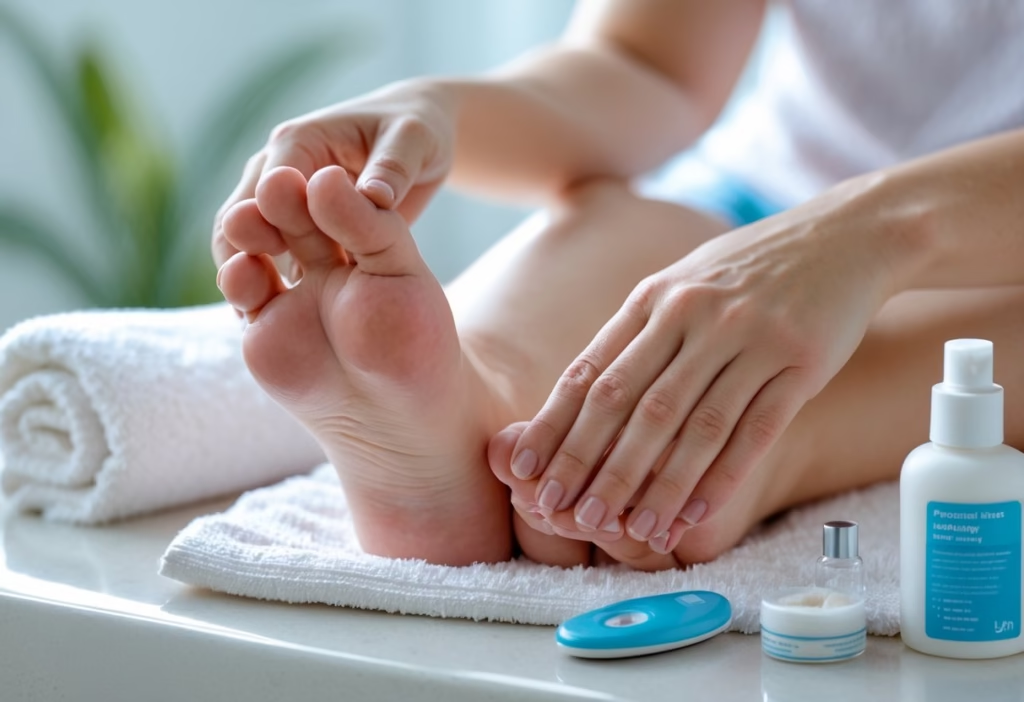
Sticking with a daily foot care routine lowers your risk of cuts, infections, and long-term problems. You help your feet by checking them, cleaning them well, keeping skin healthy, and trimming nails the right way.
Foot Inspection
Check your feet every day, even if they feel fine. Look at the top, bottom, heels, and between your toes.
Use a mirror or your phone if you can’t see the bottoms easily. Watch for cuts, redness, swelling, blisters, cracks, or color changes.
These signs often show up before pain, especially if you’ve lost some feeling. Pay close attention to pressure spots from shoes.
If you spot drainage, warmth, or a sore that won’t heal, act quickly. Early care helps prevent ulcers and infections—a common theme in diabetic foot care.
The diabetes foot care tips from the American Diabetes Association stress daily checks as a must.
Proper Washing and Drying
Wash your feet once a day with warm (not hot) water. Test the water with your hand or elbow to avoid burns.
Use mild soap and clean gently. Don’t soak your feet—long soaking dries the skin and makes cracks more likely.
After washing, dry your feet completely, especially between your toes. Moist spots between toes can lead to fungal infections like onychomycosis.
Health experts recommend careful drying as part of daily diabetes foot care guidelines.
Quick washing checklist:
- Warm water only
- Mild soap
- No soaking
- Dry between toes
Moisturizing and Skin Health
Apply lotion to keep skin soft and prevent cracks. Focus on heels and any dry patches.
Use just a little and rub it in well. Don’t put lotion between your toes—extra moisture there just invites infection.
Dry skin can split and let bacteria in, so steady care really matters.
Callus buildup can hide small wounds. Don’t cut calluses yourself. A foot care professional knows how to treat them safely.
Groups like Diabetes Canada include skin care as a key part of daily foot care routines for diabetes.
Toenail Care
Trim toenails straight across. Keep them even with the tip of your toe.
Smooth sharp edges with a nail file. Don’t cut nails too short or round the corners—this lowers your risk of ingrown toenails, which can get infected.
Thick, yellow, or brittle nails may signal onychomycosis and need medical care. If you have poor vision, stiff hands, or thick nails, ask a podiatrist for help.
Safe nail care plays a big role in long-term foot health.
Toenail care tips:
| Do | Avoid |
|---|---|
| Cut straight across | Cutting into corners |
| File rough edges | Using sharp tools |
| Get help if needed | Ignoring nail changes |
Choosing Footwear and Protective Measures
The shoes and socks you wear each day really do affect pressure, skin health, and injury risk. The right choices help you avoid blisters, sores, and long-term foot problems linked to diabetes.
Selecting Comfortable and Protective Shoes
Pick comfortable shoes that protect your feet and fit well from the start. Tight or loose shoes create friction and pressure, which can lead to wounds.
Many experts recommend diabetic shoes with a wide toe box, soft lining, and firm heel support. You’ll find more details in guides on diabetes-friendly footwear choices.
Look for these features when you shop:
- Rounded or wide toe box to reduce toe pressure
- Adjustable closures like laces or Velcro for swelling
- Low heels under 2 inches to keep weight balanced
- Shock-absorbing soles to reduce stress when walking
Avoid pointed toes and stiff seams. Try shoes later in the day when your feet are a bit swollen—that’s when you’ll get the truest fit.
Role of Therapeutic Shoes and Socks
Therapeutic footwear does more than just feel good. Doctors often prescribe therapeutic shoes if you’ve got nerve damage, poor circulation, or a history of ulcers.
These shoes spread pressure evenly and lower the risk of skin breakdown. Experts highlight this in resources on proper footwear for diabetes foot health.
Diabetic socks matter too. They usually offer:
- Seam-free interiors to reduce rubbing
- Extra padding in high-pressure areas
- Moisture-wicking fabric to keep skin dry
Avoid tight elastic bands. Change socks daily, and inspect them for rough spots that could irritate your skin.
Offloading High-Pressure Areas
Offloading means you reduce stress on parts of your foot that carry too much weight. High-pressure areas often show up under the ball of your foot, your heel, or your toes.
Without relief, these spots can break down and form ulcers. Common offloading tools include:
| Method | Purpose |
|---|---|
| Custom insoles | Redistribute pressure across the foot |
| Rocker-bottom soles | Reduce pressure during walking |
| Padding or inserts | Protect specific sore areas |
Health organizations say proper footwear and offloading help prevent serious complications, as outlined in diabetes foot care recommendations.
Don’t try to cut calluses yourself. Ask a foot care professional to adjust offloading safely.
Monitoring and Preventing Complications
Regular checks and quick action can really lower your risk for serious diabetic foot problems. You’ll avoid a lot of trouble just by knowing what to watch for, protecting your skin, and getting expert help when you need it.
Recognizing Early Signs of Foot Problems
Check your feet every day, even if nothing feels off. Diabetes can dull sensation, so you might not notice injuries right away.
Look for redness, swelling, cuts, blisters, cracks, or color changes on your skin. If you spot any of these, don’t brush them off.
Be alert for signs of a foot infection—warmth, pus, a bad smell, or pain. Thick calluses, ingrown nails, or dark spots under the skin can also mean trouble.
These problems, if ignored, might turn into diabetic foot ulcers. Use a mirror to check the bottoms of your feet.
If you notice numbness, tingling, or burning, you could have nerve damage. The diabetic foot care and early detection guidelines recommend regular self-checks and yearly foot exams to catch issues before they get serious.
Preventing Foot Ulcers
Daily care and pressure control make a big difference. Wash your feet with warm water and mild soap, then dry them well—especially between your toes.
Put lotion on dry skin, but don’t get it between your toes. Wear shoes that fit and protect your feet.
Don’t walk barefoot, not even at home. Always check your shoes for rough seams or objects before putting them on.
Poor fit and pressure can really raise your risk for a diabetic foot ulcer.
Key prevention steps include:
- Daily foot checks
- Proper footwear and clean socks
- Blood sugar control
- Regular nail and callus care
When to Consult a Podiatrist
See a podiatrist if you spot sores that won’t heal, infection signs, or changes in foot shape or color. Pain, drainage, or spreading redness? Don’t wait.
If you’ve had foot ulcers before, have nerve damage, or poor circulation, regular podiatry visits help. A podiatrist or foot care nurse can trim nails, treat calluses, and catch problems early.
Get early wound care if you develop a wound—it lowers your chance of infection or amputation. Guidance on foot care for people with diabetes backs up getting a podiatry referral for any non-healing or high-risk foot issue.
Managing Overall Health for Foot Protection
You’ll protect your feet best by managing blood sugar, heart health, food choices, and movement together. These steps help prevent nerve damage, keep blood flowing, and reduce your risk for sores or infection.
Blood Sugar, Blood Pressure, and Cholesterol Control
Keep your blood sugar steady and manage blood pressure and cholesterol. High blood sugar can damage nerves and dull sensation in your feet.
High blood pressure and cholesterol slow blood flow and raise your risk of PAD (peripheral artery disease). Your care team might check your circulation with simple tests like ABI (ankle-brachial index) or toe pressure tests.
These tests show how well blood moves to your feet.
Key checks your provider may use:
| Test | What it shows |
|---|---|
| ABI | Blood flow to the ankles |
| Toe pressure | Small vessel circulation |
| Foot exam | Skin, nerve, and pulse health |
Importance of a Balanced Diet
Eat a balanced diet to help control blood sugar, blood pressure, and cholesterol. Regular meals with steady carbs help avoid sugar swings that can harm nerves.
Stick to simple, whole foods that support circulation and healing. Cut back on salt and saturated fat—they push up blood pressure and cholesterol.
Helpful food habits include:
- Lean protein for tissue repair
- Fiber-rich vegetables to support glucose control
- Healthy fats in small amounts
- Water instead of sweet drinks
Exercise for Circulation
Get your blood moving with regular exercise, even if it’s easy stuff. Movement helps blood reach your feet and keeps joints and muscles from stiffening up.
Walking, chair exercises, and gentle stretching all support blood flow without putting too much stress on your feet. Always wear good shoes and check your feet after activity for redness or blisters.
Exercise also helps control blood sugar and keeps your heart healthy, which lowers PAD risk. If you have numbness or balance issues, ask your provider what’s safe for you.
Advanced Complications and Treatment Options
Serious foot problems show up when nerve damage, poor blood flow, and infection hit all at once. Quick diagnosis and targeted treatment can reduce your risk for long-term damage, even amputation.
Diabetic Foot Ulcer Treatment
If you get a diabetic foot ulcer, you need fast, structured care. Treatment usually kicks off with debridement to clear away dead tissue and lower infection risk.
Clinicians often use imaging like radiographs to check for bone damage or osteomyelitis.
Care plans focus on three things:
- Pressure relief with casts, boots, or custom shoes
- Infection control with antibiotics if needed
- Wound support using modern dressings or skin substitutes
Providers might check for nerve loss with a Semmes-Weinstein monofilament and look at blood flow if healing drags. Reviews of advancements in diabetic foot care show early, team-based care works best for healing.
Amputation Prevention and Surgical Options
You can often avoid amputation with early action and proper treatment. Warning signs include spreading infection, black tissue from gangrene, and deep wounds that reach bone.
Severe pain when walking, called claudication, might mean poor circulation. When blood flow limits healing, doctors may do revascularization to restore circulation.
This might involve minimally invasive procedures or open surgery. Sometimes, surgical cleaning removes infected bone if there’s osteomyelitis.
Clinical guidance on diabetic foot care and limb preservation and timely referral to specialists helps lower the risk of major amputation and improves function.
Advanced Diagnostic and Therapeutic Tools
New tools help spot problems before they get out of hand. Clinicians use radiographs to look for bone changes and confirm infections.
Vascular tests measure circulation and help guide treatment. Some newer tools help you and your care team act faster:
| Tool | Purpose |
|---|---|
| Temperature sensors | Detect early inflammation |
| Pressure monitoring | Identify high-risk foot areas |
| Telemedicine | Enable faster specialist review |
Research on technology in diabetic foot management shows remote monitoring helps catch issues sooner. These tools support better decisions and cut down on preventable complications.
Frequently Asked Questions
Daily foot checks, early warning signs, the right shoes, and regular medical exams all help you lower the risk of ulcers and infections. Diabetes changes how your feet feel and heal, so clear routines and quick action really matter.
What are the best practices for daily foot inspections for diabetics?
Check your feet every day, including the soles and between the toes. Use a mirror or ask for help if you can’t see everything.
Look for cuts, blisters, redness, swelling, or nail changes. Clean and dry your feet daily, and report any skin changes that don’t heal.
How does diabetes affect foot health?
Diabetes can damage nerves and slow blood flow in your feet. That leads to numbness, slow healing, and a higher risk of infection.
Even small injuries might go unnoticed and get worse over time. Poor circulation also makes it harder for your body to fight infection.
What are the signs of foot complications that diabetics should be aware of?
Watch for redness, warmth, swelling, drainage, or a bad smell. These can mean infection or ulcers.
Tingling, burning, or loss of feeling are also warning signs. Open sores or blisters that don’t heal need quick care, as described in the American Diabetes Association foot care guidelines.
Can diabetics benefit from special footwear, and what types should be considered?
You can benefit from shoes made to reduce pressure and friction. Look for soft interiors, wide toe boxes, and solid support.
Custom insoles may help spread your weight evenly. Many treatment plans include therapeutic shoes, like those covered in this comprehensive diabetic foot care guide.
What steps can diabetics take to prevent foot injuries?
Don’t walk barefoot, not even indoors. Wear clean socks and shoes that fit every day.
Trim nails straight across and skip sharp tools on calluses. Keep water warm, not hot, to avoid burns, as recommended in daily foot care guidance for people with diabetes.
How often should a diabetic see a healthcare professional for a foot examination?
You should get a full foot exam at least once a year. This check looks at nerve function, blood flow, and the overall health of your skin.
If you’ve got nerve damage, poor circulation, or a history of ulcers, you’ll probably need to come in every two to three months. Medical reviews like the diabetic foot exam overview back up the need for more frequent visits when your risk is higher.